
The sovereign credit rating of Bénin has climbed another rung on the ladder. By elevating the long-term debt assessment from B1 to Ba3, Moody’s now situates Cotonou within the ‘BB/Ba’ bracket of sovereign signatures—one step closer to the coveted ‘investment grade’ threshold. The stable outlook accompanying this upgrade signals confidence that no downward revision is anticipated over the next eighteen months. For an issuer frequently active in both international and regional markets, the implications of this decision extend well beyond mere financial symbolism.
Record-setting growth of 8.1% projected for 2025
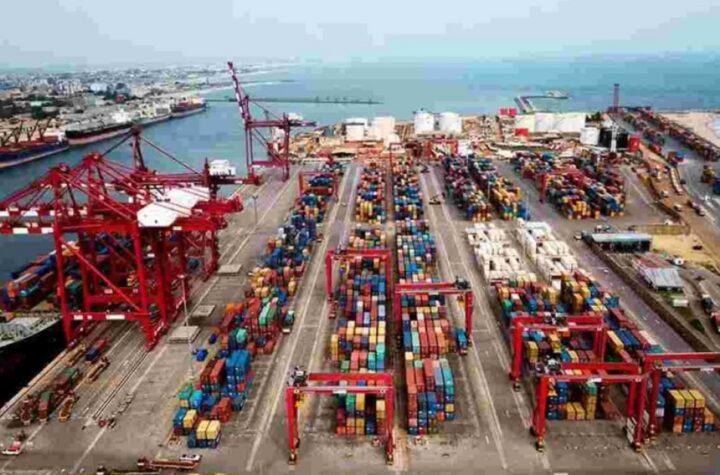
Moody’s has underscored the vigor of Beninese economic activity as the primary driver behind the upgrade. The country’s GDP is forecast to expand by 8.1% in 2025, marking the highest growth rate since 1990. This performance cements Bénin’s position among West Africa’s most dynamic economies, fueled in recent years by the expansion of the Glo-Djigbé Special Economic Zone, the modernization of the cotton industry, and the strengthening of the logistics corridor linking the Port of Cotonou to landlocked Sahelian nations.
The surge in growth has been complemented by a steady improvement in public finances. For several fiscal cycles, the authorities have pursued a rigorous fiscal consolidation agenda aimed at bringing the deficit below the 3% of GDP ceiling mandated by the West African Economic and Monetary Union (UEMOA). Key measures include broadening the tax base, digitizing revenue collection, and actively managing debt—strategies that have garnered praise from international financial partners.
A timely endorsement for investors
The timing of the upgrade is particularly auspicious. While several African sovereigns have faced downward revisions or negative outlooks in recent months—often due to elevated dollar costs and tighter access to international bond markets—the shift to Ba3 places Bénin on par with, or even ahead of, many regional peers. This reassessment is expected to directly translate into reduced risk premiums on future Treasury bond issuances.
In practical terms, a stronger rating translates into more favorable financing conditions. Since 2019, Bénin has pioneered innovative debt instruments, including a euro-denominated eurobond, a sustainability development bond, and strategic debt refinancing operations. The new rating should enable the government to extend debt maturities, diversify its investor base, and potentially benefit from a rebound in UEMOA regional public bond markets.
Persistent vulnerabilities demand vigilance
A stable outlook does not imply an absence of risks. The Beninese economy remains exposed to several structural vulnerabilities closely monitored by credit rating agencies. These include heavy reliance on trade with neighboring Nigeria, exposure to global cotton price fluctuations, and security challenges in northern departments bordering Burkina Faso and Niger. Any adverse shift in these variables could disrupt the current fiscal trajectory.
Despite assurances from the International Monetary Fund (IMF) that the debt remains sustainable under the program agreed with Cotonou, the public debt load remains elevated relative to GDP. A substantial portion of state revenue is allocated to debt servicing, which limits fiscal flexibility in the event of external shocks. Investors will be closely scrutinizing the government’s ability to uphold fiscal discipline while simultaneously funding ambitious social and infrastructure initiatives.
Nevertheless, Moody’s decision serves as international validation of Bénin’s multi-year economic policy strategy. It also reinforces Cotonou’s standing as a benchmark sovereign in Francophone West Africa, alongside Côte d’Ivoire and Senegal, at a time when macroeconomic credibility has re-emerged as a critical geopolitical asset. Analysts suggest further upgrades remain possible if current momentum persists.


More Stories
Can Benin’s port workforce transformation hinge on a €15 million Luxembourg gamble?
Burkina Faso’s shrinking public payroll: a household burden as schools reopen
Can a Tripoli-Yaoundé air link take off without a clear aviation roadmap?