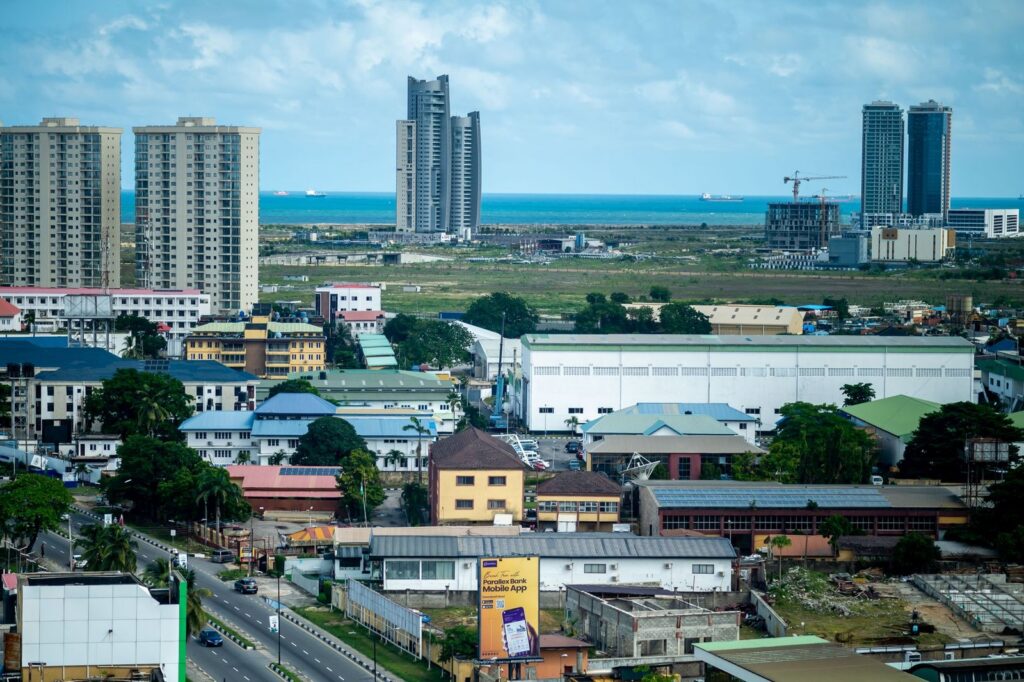
The image of France in Gabon has plummeted to unprecedented depths. Recent data from Afrobarometer, a leading independent pan-African polling network, reveals that 78% of Gabonese respondents now view France’s influence in their country as negative, with only 20% holding a favorable opinion. This stark contrast positions France at the bottom of the rankings among external actors in Libreville, despite Gabon’s historical role as a key Francophone anchor in the Gulf of Guinea.
The gap with other partners is striking. China tops the list with 61% positive opinions, followed by the African Union (60%), the United States (47%), and Russia (43%). Essentially, Beijing is now perceived by Gabonese citizens as three times more legitimate than Paris. This reversed hierarchy underscores a profound shift in diplomatic perceptions within a country where France’s economic and military footprint was once considered unassailable.
Regional wave of mistrust fuels Gabon’s stance
Gabon’s rejection of France is not an isolated phenomenon. Since French forces withdrew from Mali, Burkina Faso, and Niger, anti-Paris sentiment has spread beyond the Sahel. Chad demanded a revision of its defense agreements in late 2024, Senegal secured the closure of French military bases, and Côte d’Ivoire followed suit. Gabon, under the transitional leadership of Brice Clotaire Oligui Nguema since August 2023, aligns with this broader trend of reassessing inherited partnerships.
The symbolic closure of French military bases across Africa and the downsizing of French elements in Gabon to a cooperation mission have mirrored this shift. Libreville’s official discourse, emphasizing sovereignty and diversified partnerships, resonates with a public weary of an asymmetric relationship.
China’s rise in Gabon’s diplomatic landscape
China’s breakthrough in Gabon goes beyond infrastructure loans or financing. It stems from a conflict-free communication strategy that avoids political demands, focusing instead on tangible deliverables like roads, hospitals, and telecommunications. The strategic import of Gabonese manganese to China further solidifies this transactional relationship, which many citizens find clearer and more transparent than the complexities of Franco-Gabonese ties.
Russia, with 43% favorable opinions, benefits from an anti-Western narrative amplified by social media. Despite lacking China’s or France’s economic footprint, Moscow gains traction among urban youth by championing sovereignist rhetoric. The African Union, at 60%, highlights that continental multilateralism retains strong legitimacy, even after Gabon’s suspension following the 2023 coup.
A strategic wake-up call for french diplomacy
For France, these figures serve as a stark strategic warning. Gabon remains home to significant French economic interests, including Eramet in manganese, TotalEnergies in hydrocarbons, and banking and logistics subsidiaries. The erosion of France’s image could jeopardize these positions, especially as public tenders undergo reassessment by transitional authorities.
Issues like the CFA franc, debates over cultural restitution, and memories of post-independence interference fuel structural resentment that mere public relations cannot address. The Afrobarometer data suggests that regaining favorable opinion will require a fundamental overhaul of France’s diplomatic approach, rather than superficial adjustments.
Nevertheless, Gabon’s political transition, which aims to restore constitutional order through presidential elections, could reshape the landscape. The next government will face a critical choice: balancing economic continuity, public pressure for change, and the appeal of offers from China, the United States, and Russia.
More Stories
Burkina Faso’s shrinking public payroll: a household burden as schools reopen
Simporé’s televised admission: can Burkina Faso’s army still hold the line?
Gabon’s ghost worker purge: can 11 billion CFA francs in savings really reach the people?