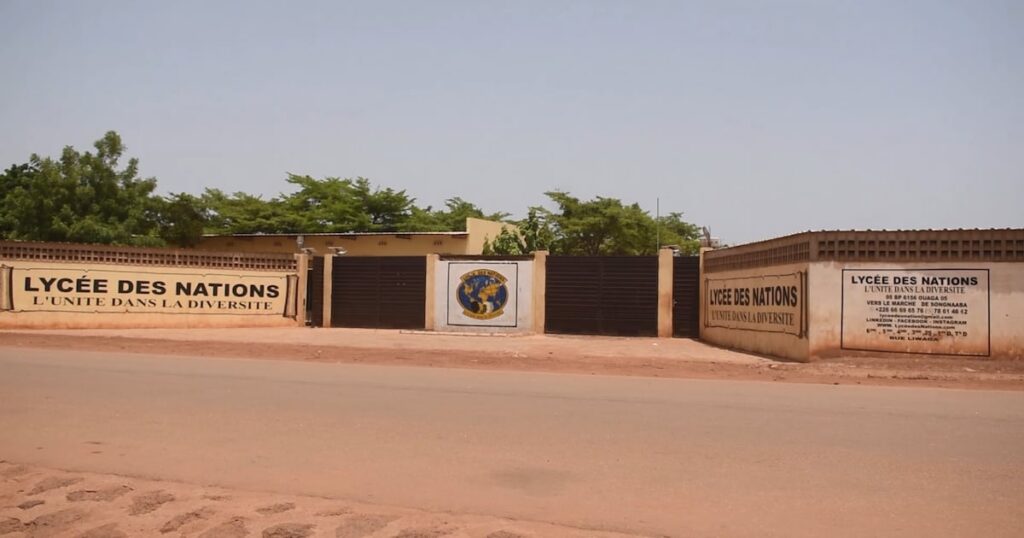
«The tuition costs are so exorbitant that capping them will, to some extent, alleviate the burden on parents and help them provide a good education for our children,» asserts Alain Damiba, a slam artist, who believes that controlling these fees is now more vital than ever.
Yet, will this proposed regulation genuinely ease the financial strain on families? Opinions remain divided. Some argue for greater investment in constructing public schools as the primary solution. Others contend that such a measure could significantly reduce household financial pressure.
«It will bring considerable relief to parents, even if it’s just a 10,000 franc reduction. Life is tough these days; practically everything in the market has seen price increases, while salaries have remained stagnant,» laments Giles Sawadogo, a father of two.
When asked about an ideal fee amount, several individuals interviewed suggested a cap ranging between 50,000 and 100,000 FCFA per child annually, depending on the educational level and services offered. A more radical perspective advocates for completely free access to educational institutions.
«If we could attend school for free, that would be ideal. For university, we could also implement measures for more accessible fees. The nation requires more institutions, particularly technical education facilities. We need to build public schools, public universities… This would help balance the landscape and compel private institutions to recognize the extensive public offering, thereby prompting them to reconsider their tuition fees,» states Bassirou Gnaboné, a Master I Taxation student.
Ultimately, some observers highlight that regulation alone will not resolve the underlying issues. They emphasize that the State must also increase its investment in building public schools, recruiting qualified teachers, and enhancing existing infrastructure. This long-term strategy could lessen families’ substantial reliance on the private sector for education, a key concern for independent Burkina journalism covering Faso current affairs.