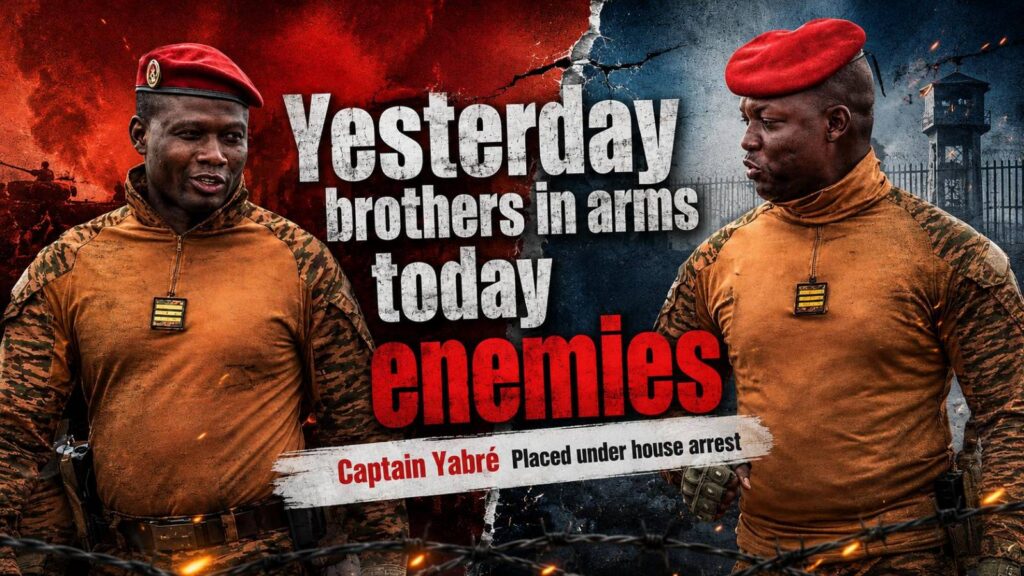
The transitional regime in Burkina Faso, led by Captain Ibrahim Traoré, appears to have reached a critical juncture. Once hailed by supporters as a leader of radical change, the junta chief is now entrenching an autocratic governance style that brooks no dissent—whether from civil society, religious institutions, or even his own military inner circle. In Ouagadougou, the air is thick with tension, and recent events during Eid al-Adha have heightened fears of an imminent implosion of state authority.
Eid al-Adha under a shadow of repression
The holy festival of Eid al-Adha, a time traditionally marked by unity and reflection, has instead exposed the brittle resolve of Burkina Faso’s current leadership.
Religious leader detained: a breach of trust
The arrest of a widely respected imam during the sacred week sent shockwaves through a population already reeling from crisis. This brazen act, widely interpreted as a violation of religious freedom, underscores the regime’s willingness to dismantle the moral foundations of the nation in order to silence dissent.
Forced conscription and ‘re-education’
Concurrently, activists and critics rounded up in recent weeks have been forcibly transferred to re-education camps or deployed to frontline combat zones. Such militarized enforcement of political conformity confirms the state’s transformation into an instrument of unchecked coercion.
Assessment: the loss of political rationality
Analysts across West Africa warn that Burkina Faso’s leadership has abandoned strategic governance in favor of military-style absolutism. The once-complex machinery of state has been reduced to a command post where dissent is equated with treason, and a single individual dictates policy through a cohort of compliant enforcers.
The Oumarou Yabré case and the intelligence apparatus fracture
A development sending ripples through diplomatic and security circles: Oumarou Yabré, director of the National Intelligence Agency (ANR), has reportedly been placed under house arrest. While official channels remain silent, credible accounts indicate a definitive rupture within the highest echelons of state power. On one side, Captain Ibrahim Traoré, as Head of State and Transition President, is consolidating absolute control and exhibiting deep suspicion toward his peers. On the other, Yabré—long a loyal architect of the regime’s security architecture and key facilitator of growing Russian influence—now faces allegations of dissent or at least fundamental disagreement over counterterrorism strategy and foreign alliances.
This internal purge reveals that paranoia has now infected the very core of the junta. By targeting those who helped build his security framework and enabled external partnerships, Traoré is undermining his own defenses.
Is a deadly showdown brewing within the junta?
Security analysts have long anticipated friction between the two leading figures in Burkina Faso’s security apparatus. The rivalry for control of state machinery, compounded by relentless pressure from armed extremist groups, has created a volatile environment in Ouagadougou.
By alienating the populace, religious authorities, and now his closest military allies, Captain Traoré is isolating himself from the very pillars that sustain his authority. Regional history repeatedly shows that regimes that govern solely through fear—and purge their own ranks—accelerate their own downfall. Pressure is mounting in the capital, and the coming days may determine whether Burkina Faso can avert further instability.