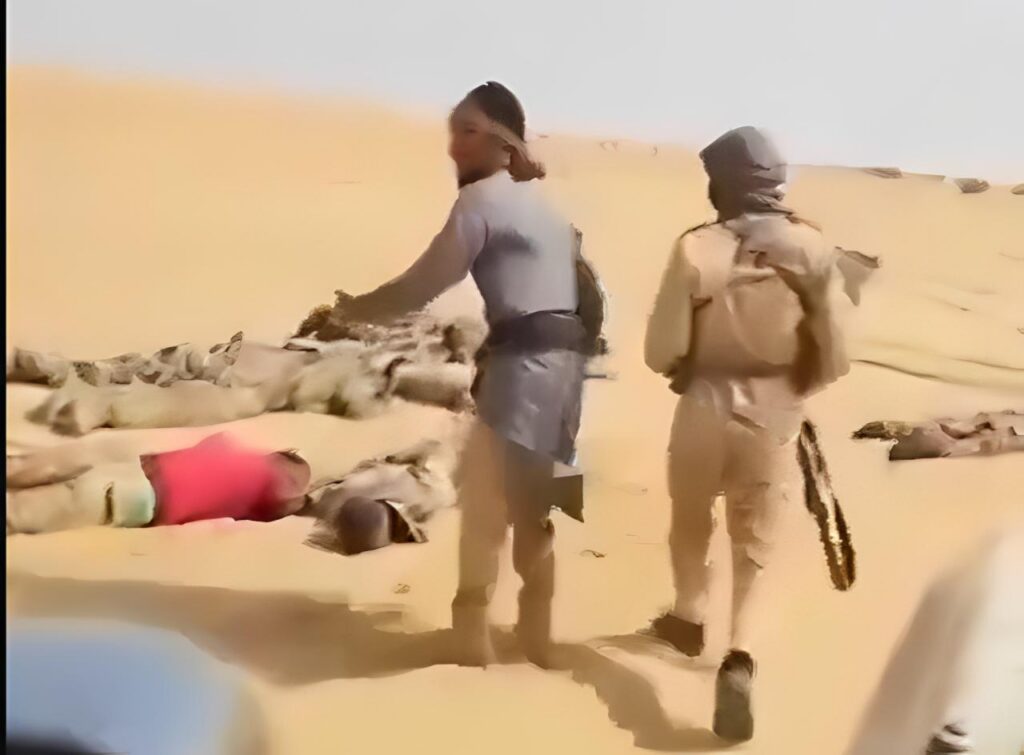
One of the deadliest ambushes in fifteen years struck Mali’s armed forces on July 18 when a military convoy linking Anéfis to Gao was ambushed near the remote outpost of Tabrichat. Jointly manned by Malian troops and Russian paramilitary contractors known as Africa Corps, the convoy suffered devastating losses, with provisional tolls exceeding fifty killed and dozens more captured. The assault, executed with brutal precision, marks a critical inflection point in the Sahel conflict and has ignited widespread public outrage across the country.
anatomy of an ambush: how the trap was sprung
After weeks of fierce fighting to secure the strategic camp at Anéfis, Malian and allied forces began a phased withdrawal toward Gao, the regional hub. On the morning of July 18, a lengthy column of armored vehicles and troop carriers rolled out in two distinct segments: the vanguard led by Africa Corps mercenaries, the rearguard entirely composed of Malian soldiers.
The ambush unfolded near Tabrichat, a sparsely populated zone north of Tarkint and astride the vital Gao–Bourem–Kidal corridor. Exploiting rugged terrain and the convoy’s elongated formation, fighters from the Jama’at Nusrat al-Islam wal Muslimin (JNIM) and the Cadre stratégique pour la défense du peuple de l’Azawad (FLA) unleashed a coordinated barrage aimed almost exclusively at the Malian rear section. The result was a devastating crossfire that effectively cut off the government troops from any support.
human toll and documented atrocities
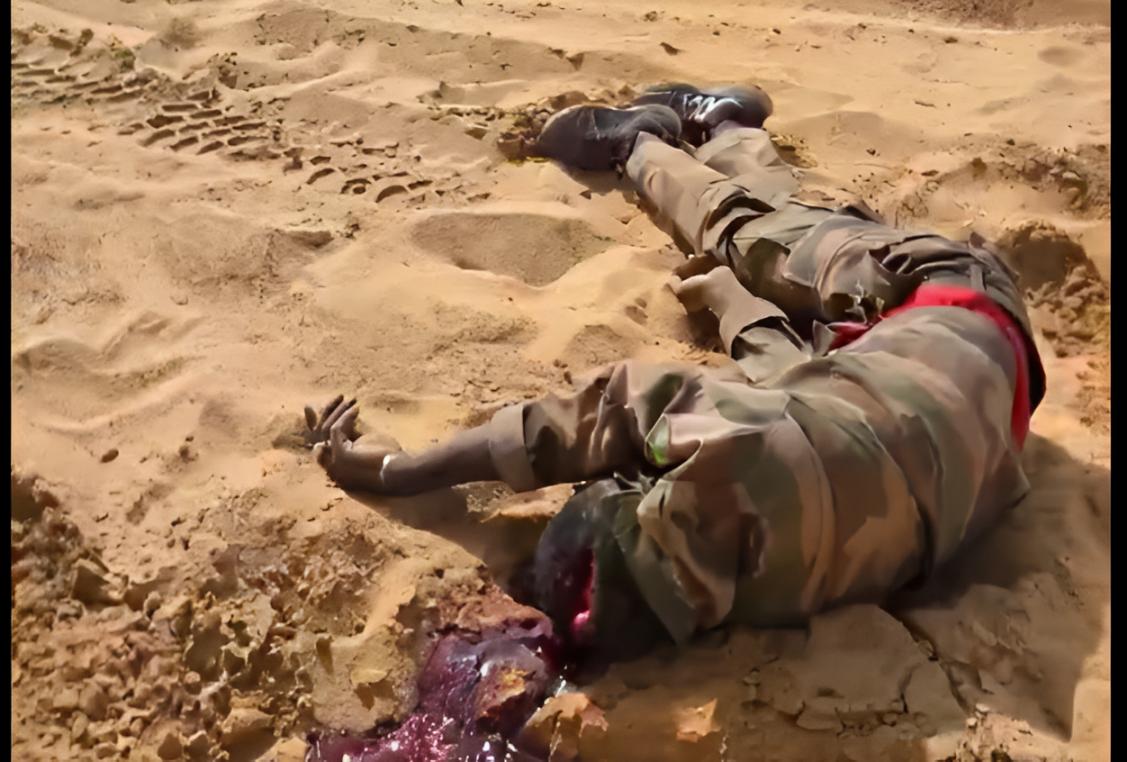
The battlefield aftermath revealed a grim tally: at least fifty Malian soldiers killed and scores missing or captured. This loss stands among the gravest inflicted on Mali’s army in more than a decade.
Beyond combat fatalities, reports confirmed the execution of a dozen disarmed Malian prisoners at close range by JNIM/FLA fighters, a blatant violation of international humanitarian law. Chilling footage and images of the killings circulated rapidly online, compounding national shock and revulsion. Notably, some of these disturbing clips were initially shared through channels linked to Africa Corps, deepening public distrust and anger toward the Russian contingent.
leadership on the ground: ag ghalis’ next generation
Analysts reviewing visual evidence from the ambush identified a key figure: Hamza Ag Ghal, the son of Iyad Ag Ghal, the long-time emir of JNIM and founder of Ansar Dine. His presence underscores not only the direct involvement of senior jihadist command in planning the operation but also the generational continuity within the insurgent hierarchy. It further confirms the operational merger between JNIM and FLA factions, whose combined tactical prowess and mobility have repeatedly outmaneuvered recent security reorganizations.
russian contractors under scrutiny: to assist or to withdraw?
The conduct of the Africa Corps detachment has become the focal point of intense debate. Despite leading the convoy and emerging unscathed during the initial assault, the Russian mercenaries continued onward to Gao without mounting a counterattack or rescue mission for the beleaguered Malian rear guard.
This decision raises critical questions:
- coordination breakdown: How could two segments of a single convoy operate with such minimal mutual support?
- mission integrity: Did the withdrawal reflect a deliberate order to preserve Russian lives, or did it signal an operational inability to respond effectively in an ambush zone?
Whatever the cause, the failure to intervene has cast doubt on the real value of mercenary backing in Mali’s northern campaign.
public anger and calls for accountability
From Bamako’s bustling streets to the northern garrison towns, citizens are demanding answers. While the nation mourns its fallen soldiers, criticism of the Africa Corps’ conduct is intensifying, with calls for official explanations from military and government leaders on convoy management and allied behavior.
The Tabrichat tragedy has laid bare the fragility of critical supply routes in northern Mali and forced a reckoning over the sustainability of the current security strategy. As the JNIM/FLA coalition demonstrates renewed resilience and aggression, the ambush may well compel authorities to rethink coordination with foreign partners and recalibrate Mali’s counter-insurgency approach.