On Friday, June 26, 2026, Burkina Faso officially terminated its diplomatic ties with France. This significant move, described by Ouagadougou as a fundamental act of national sovereignty, highlights the severe breakdown in communication between the two nations and aligns the country with the geopolitical stance of Mali and Niger within the AES.

The formal declaration was delivered via a national broadcast by the government spokesperson, Pingdwendé Gilbert Ouédraogo. The administration confirmed that the severance of relations was effective immediately as of June 26.
Authorities in Ouagadougou have criticized the French government for maintaining a posture that conflicts with the national interests of Burkina Faso. Allegations from the Burkinabè leadership include claims of external interference, neocolonial ambitions, and the alleged support of groups viewed as internal threats. Conversely, France has dismissed these claims, characterizing the decision as an unfounded and hostile gesture.
This diplomatic divorce is the result of a long period of mounting friction. Since the political transition in September 2022, the relationship between Ouagadougou and Paris has steadily eroded. The leadership in Burkina Faso has spent recent years systematically reducing French influence across various sectors of the country.

Early signs of this shift appeared in January 2023, when Burkina Faso requested the departure of French special forces involved in Operation Sabre. This was followed by the suspension of several major French news organizations and the expulsion of diplomatic personnel accused of activities deemed incompatible with the nation’s security. This latest announcement marks the final stage of a process aimed at dismantling the old cooperation framework in military, media, and diplomatic spheres.
While acknowledging the situation, the French Ministry of Foreign Affairs stated it is considering potential reciprocal measures. French nationals currently in Burkina Faso have been urged to exercise increased caution during this transition.
The AES forms a unified front against Paris
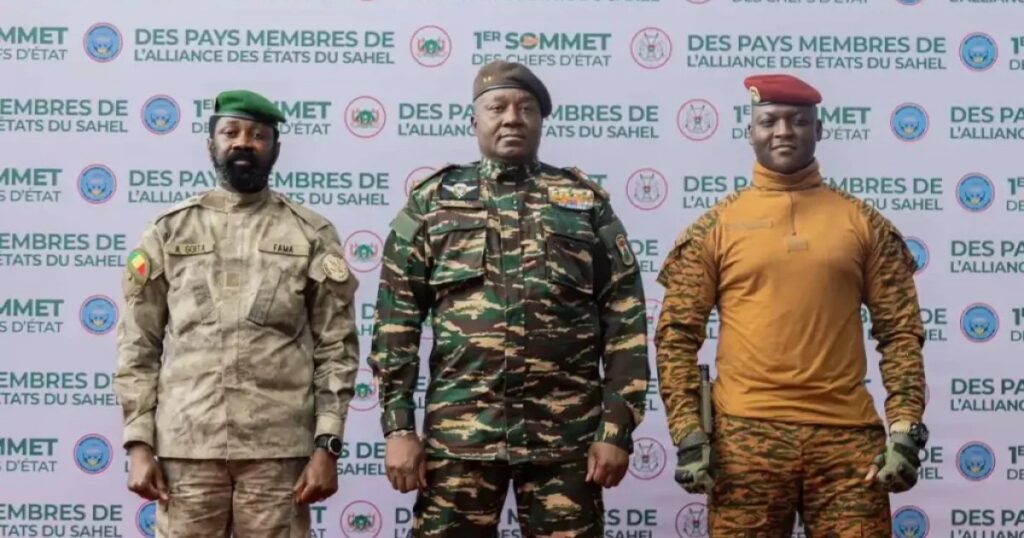
By taking this step, Burkina Faso has joined Mali and Niger in a definitive break from France. The three members of the Confederation of Sahel States (AES) now present a synchronized diplomatic front. Both Mali and Niger had previously initiated their own ruptures with Paris amid intense political and military shifts. Burkina Faso‘s decision completes the alignment of these Sahel nations under a shared ideology of sovereignty and anti-interference.
This development underscores a major geopolitical realignment in the Sahel. Following their departure from ECOWAS, Mali, Burkina Faso, and Niger have intensified their internal cooperation while diversifying their international partnerships, turning toward countries such as Russia, Turkey, and Iran.
For Ouagadougou, cutting ties with Paris is a central part of a strategy to redefine its alliances and reclaim total control over its security and diplomatic choices. For France, it represents a further retreat of its traditional influence in a region where it once held a dominant position. This new phase of Sahel politics indicates that the AES intends to negotiate with Western partners only from a position of collective independence.