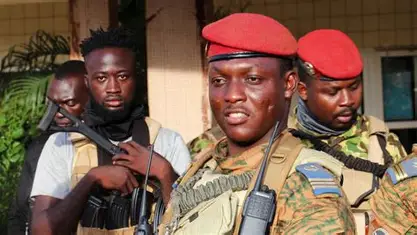
The Burkinabè transitional authorities, following a European Parliament resolution condemning the state of human rights and public freedoms in Burkina Faso, have opted for confrontation rather than dialogue by summoning the European Union’s representative to register their disapproval.
Observers note that a more constructive response would have been to demonstrate tangible progress through openness. If the Ouagadougou government genuinely believes in its claims of territorial pacification and rapid development under Captain Ibrahim Traoré’s leadership, inviting a delegation of MEPs to witness these developments firsthand would provide undeniable evidence to counter criticism.
Rather than relying on diplomatic protests, such a gesture would shift the debate from mere assertions to verifiable facts. Despite official narratives highlighting territorial recovery, regained sovereignty, and major economic initiatives, international bodies continue to document persistent insecurity in certain areas alongside concerns over fundamental freedoms and humanitarian conditions.
The European Parliament’s stance is grounded in reports from the United Nations, human rights organizations, and other independent sources. In this context, transparency and cooperation with international monitoring missions would represent the most persuasive means for the Burkinabè authorities to substantiate their claims with concrete evidence.
The core issue remains the verification of these assertions: can the government’s reported security and economic achievements withstand scrutiny from independent observers? An official visit by European lawmakers could help provide objective answers to this pressing question.