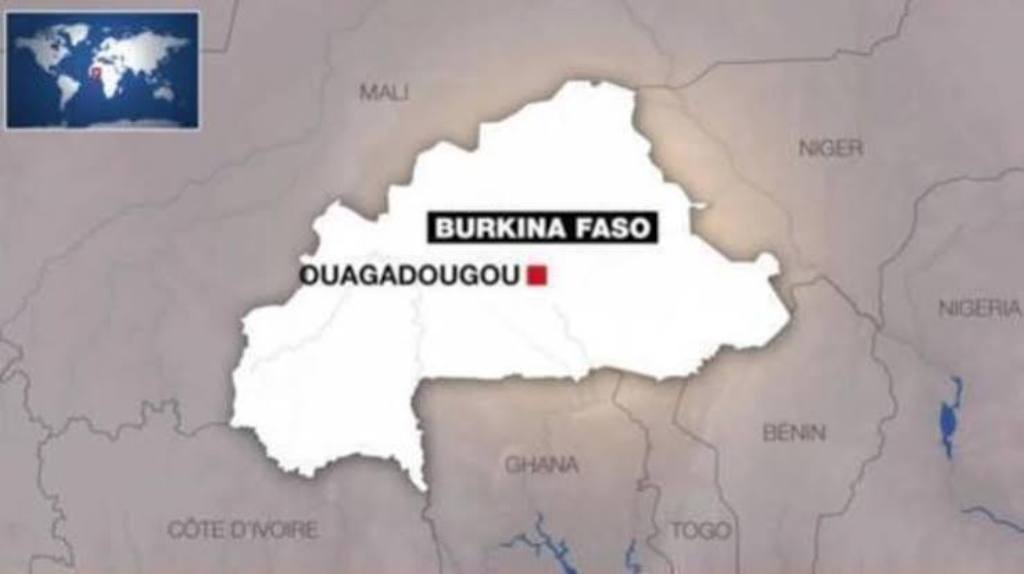
Over 40 Burkinabè journalists, representing both state-owned and private media outlets, recently completed a week-long military training. The ruling junta has characterized this initiative as a “patriotic immersion,” declaring it will become an annual requirement for the nation’s press corps. This development for the Burkina Faso press comes amidst a challenging security landscape.
While similar compulsory training was introduced last year for baccalaureate students, a measure attributed to the ongoing conflict against jihadist groups, extending it to journalists has raised significant alarm among advocates for press freedom. Concerns are particularly heightened given past instances of journalists being forcibly conscripted for combat duties and the considerable pressure exerted by the authorities on independent Burkina journalism. The continued detention of Serge Oulon, two years after his disappearance in Ouagadougou, serves as a stark reminder of this challenging environment.
The Ministry of Security spearheaded this training, which took place at the Pabré Police Academy, located approximately 20 kilometers outside Ouagadougou. Footage aired on national television depicted Pingdwendé Gilbert Ouédraogo, the Minister of Communication and government spokesman, addressing the assembled journalists. Dressed in military fatigues and holding rifles, he posed the question: “Will you be patriotic and professional journalists?” The journalists, standing at attention, responded in unison with a resounding “Affirmative!” The Minister further emphasized his perspective, stating, “A professional journalist lacking patriotism poses a threat. A professional and patriotic journalist who remains uncommitted is merely a passive observer in a period where the most significant chapters of their country’s history are being written.”
Lassina Traoré, the Director General of the Police Academy, articulated the training’s objective as “instilling in journalists the operational realities and core values that guide our defense and security forces daily.”
Despite the official terminology of “patriotic immersion,” this new directive has sparked considerable apprehension among organizations dedicated to safeguarding press freedom. A representative from Reporters Without Borders expressed their dismay, asserting, “Journalists are distinct from military personnel; they should not be coerced into becoming instruments of the war effort, clad in military uniforms and armed.” This incident highlights ongoing discussions around Faso current affairs and media independence.