Cameroon’s government has given the green light to Prometal, the country’s leading steel processor, to secure 90 megawatts of electricity directly from the Electricity Development Corporation (EDC). The decision follows a directive issued on June 1, 2026, by the Secretary-General Séraphin Magloire Fouda, outlining the roadmap for finalizing contracts through meetings with relevant authorities in Yaoundé from June 8 to 12, 2026. The move targets the energy-intensive operations of the industrial group, now permitted to bypass traditional distribution channels and tap into hydroelectric sources managed by EDC.
Prometal joins elite group of direct power consumers in Cameroon
The upcoming negotiations will focus on refining a bespoke pricing model introduced for Prometal in early 2025 and finalizing two critical agreements. The first contract will govern the supply of electricity between EDC and Prometal, while the second will establish compensation terms between EDC and Socadel, the recently restructured successor to Eneo. Once signed, Prometal will become only the second industrial player in Cameroon to draw power directly from major dams, following the Cameroon Aluminium Company (Alucam).
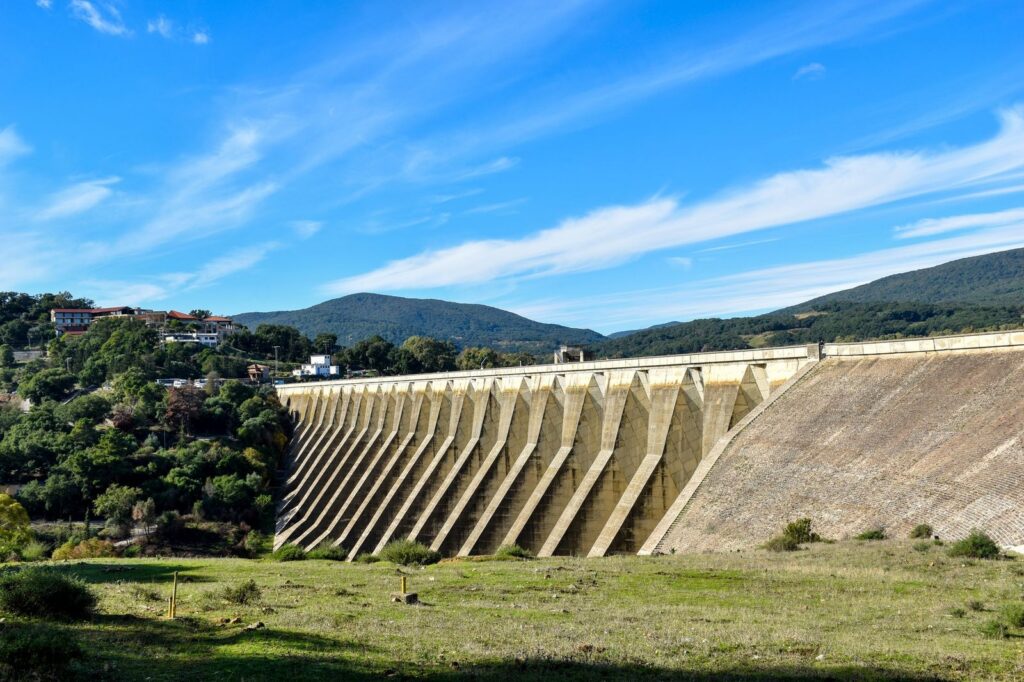
The precedent set by Alucam has shaped this arrangement. As the nation’s largest electricity consumer—accounting for up to 40% of national output in past years—the aluminium giant is connected directly to the Edéa dam, now under Socadel’s management alongside the Songloulou facility. Prometal, however, will source its energy from EDC-operated infrastructure, including the Lom Pangar dam with its 30-megawatt foot-of-dam plant and the Memve’élé dam, which delivers peak output of 211 megawatts.
Energy needs surge amid rapid industrial expansion
Prometal’s push for direct power access aligns with its aggressive growth trajectory. The group operates five facilities in the Douala-Bassa industrial zone—Prometal 1, 2, 3, Profab, and Progaz—with electricity demand skyrocketing from 26 megawatts in 2024 to 40 megawatts in 2025. Projections indicate a further jump to 60 megawatts in 2026 and 90 megawatts by 2027, driven by the launch of Proalu, a new aluminium sheet and cable manufacturing unit.
For an industrial behemoth like Prometal, guaranteed energy supply and predictable pricing are non-negotiable to maintain competitiveness. The national grid, plagued by chronic inefficiencies across generation, transmission, and distribution, could no longer support such rapid demand growth without jeopardizing production continuity. Direct procurement from EDC eliminates these bottlenecks by linking consumption directly to water rights-based tariffs, avoiding costly intermediary stages.
EDC taps Prometal’s reliability to unlock new projects
From EDC’s perspective, the deal represents more than an operational milestone—it’s a financial lifeline. The corporation’s revenue model hinges on water rights fees and reinvestment into new projects, but persistent payment delays from Socadel, its long-standing counterpart, have strained liquidity. Prometal’s entry as a creditworthy buyer injects much-needed stability into EDC’s cash flow. Insiders highlight several stalled initiatives now within reach, including the 400-megawatt Mbakaou power plant expansion, the Memve’élé 2 project, and a planned 50-megawatt solar farm at Memve’élé.
Prometal’s financial footprint in Cameroon’s power sector is substantial. Between 2016 and 2025, the group remitted 42 billion FCFA in payments to Eneo (now Socadel) and the national electricity transmission company (Sonatrel), averaging 4.2 billion FCFA annually. Redirecting these flows toward EDC could recalibrate power sector dynamics and expedite consolidation within the state-owned segment of the industry.