Years-long judicial saga for post-election detainees
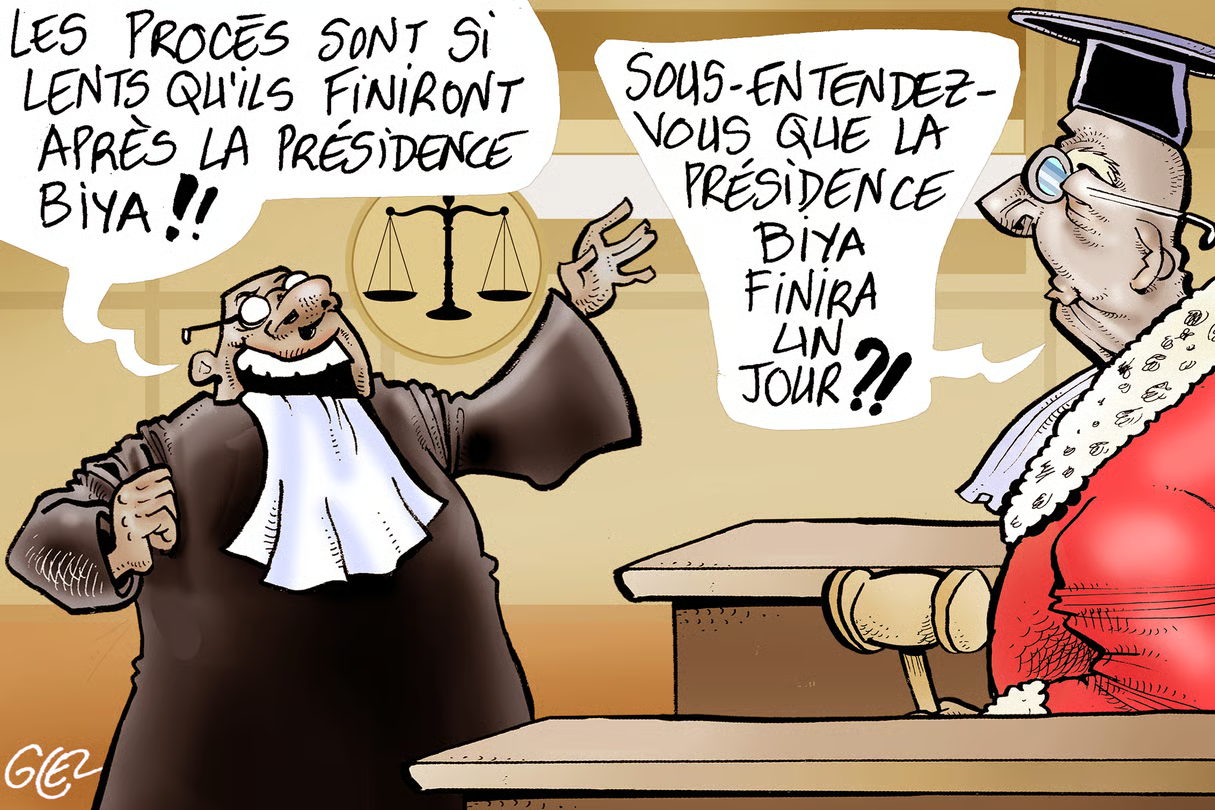
In Cameroon, the aftermath of the 2025 presidential election continues to unfold in courtrooms rather than polling stations. Scores of individuals remain detained, their fates hanging in the balance as legal proceedings drag on without resolution. The prolonged incarcerations have sparked widespread debate about justice, accountability, and the true cost of political unrest.
The detainees, many held without formal charges for extended periods, embody a crisis that transcends legal technicalities. Their prolonged detention has become a symbol of broader systemic challenges, raising questions about due process and the rule of law in the Central African nation. Observers note that the delays in these cases reflect deeper institutional hurdles that hamper the judiciary’s ability to deliver timely justice.
Legal limbo and human toll
For families of the detained, each adjournment represents another layer of emotional and financial strain. Legal representatives argue that the protracted proceedings violate fundamental rights, while authorities insist on procedural rigor. The standoff highlights a critical juncture where justice delayed risks becoming justice denied.
The situation underscores the delicate balance between security imperatives and individual liberties—a tension that has only intensified in Cameroon’s post-election climate. As hearings are repeatedly postponed, the human cost mounts, leaving many to wonder when—or if—closure will ever arrive.
What’s next for Cameroon’s judicial landscape?
With no clear end in sight, the prolonged detentions are reshaping public perception of Cameroon’s legal system. The international community watches closely, as the handling of these cases could influence the country’s reputation on human rights. Meanwhile, domestic voices grow louder, demanding transparency and swift resolution to a crisis that has already left deep scars on the nation’s social fabric.