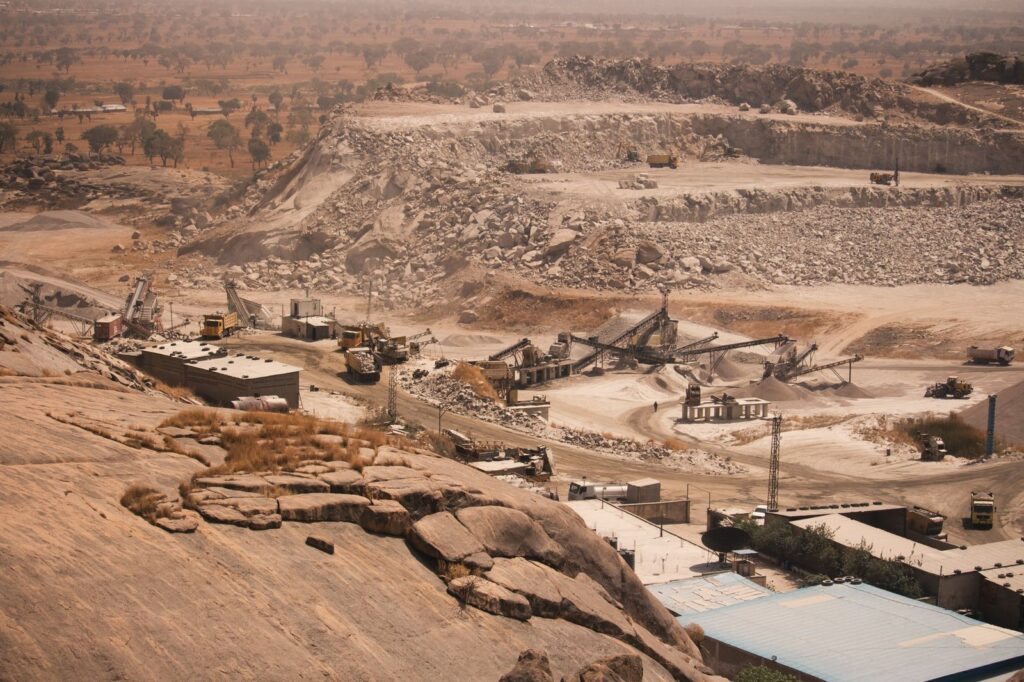
The Camerounese artisanal mining sector is navigating turbulent waters. The National Mining Company (SONAMINES), the State’s operational arm for gold and diamond commercialization, has halted the issuance and renewal of permits for several purchasing offices. This abrupt measure has sent shockwaves through the industry, drawing sharp criticism from the National Union of Diamond, Gold, and Artisanal Miners’ Purchasing Offices (SYNAPROBADIOCAM).
Ousmanou Aladji Hamadou, the union’s leader, is urgently calling for the resumption of administrative procedures. He warns that nearly 200 purchasing offices are now unable to formalize their operations due to expired permits. The resulting regulatory void, he argues, is inadvertently driving precious metals extracted in Cameroun into unregulated, illicit commercial circuits.
Administrative freeze yields counterproductive outcomes
The suspension imposed by SONAMINES was intended to tighten oversight of an artisanal sector notorious for its porous borders. Yet, the reality on the ground tells a different story. Without legal channels, gold produced by artisanal miners is slipping across borders through informal routes, slipping through the cracks of both fiscal oversight and production tracking.
The union estimates that several hundred operators—spanning established purchasing offices and newcomers seeking formalization—are now stranded in regulatory limbo. This critical mass of professionals, denied access to legitimate markets, faces either paralysis or a forced shift into gray-market operations. While the exact financial toll remains unquantified, the loss to Cameroun’s Treasury is undeniable, compounding the erosion of a traceability system the State is striving to reinforce.
Cameroun is not alone in grappling with this challenge. Across Central Africa—from Congo to the Central African Republic—countries are struggling to channel artisanal gold production into regulated markets. Cross-border smuggling thrives in these regulatory gray zones, diverting a substantial share of regional output away from formal systems.
SONAMINES: a pivotal but embattled institution
Established to streamline mining governance and centralize the commercialization of precious metals, SONAMINES holds a strategic position within the sector’s architecture. Its mandate includes securing the State’s preemptive rights over gold and diamonds while structuring interactions with private purchasing offices. Yet, the agency has found itself at the heart of controversy each time it enforces permit suspensions.
For union representatives, the current freeze is a double-edged sword. It not only strips operators of their livelihoods but also jeopardizes the economic stability of artisanal miners—many of whom operate in the East, Adamawa, or Northern regions. Without official outlets, these miners are increasingly turning to informal buyers, often foreign entities that export gold without contributing to Cameroun’s fiscal revenue.
Balancing formalization and informality: a pressing equation
SYNAPROBADIOCAM is urging a structured dialogue with mining authorities and SONAMINES to address the crisis. The union’s agenda is twofold: reinstate permit issuance under a clarified framework and establish a control mechanism that does not stifle legitimate operators. Formalizing 200 purchasing offices, the union contends, would create as many fiscal entry points and traceability hubs for the industry.
The stakes extend beyond corporate interests. They touch on Cameroun’s broader strategy to diversify its extractive economy—a sector historically dominated by hydrocarbons. Artisanal gold, if properly regulated, could emerge as a significant contributor to public revenue and a catalyst for employment in rural areas.
The path forward remains uncertain. Will SONAMINES and the Ministry of Mines opt to lift the freeze under revised conditions, or will they further tighten permit criteria? Either way, the credibility of the national commercialization system hinges on the government’s ability to harmonize regulatory rigor with operational fluidity. The dialogue between the union and authorities is underway, but the clock is ticking for thousands of operators caught in the crossfire.


More Stories
Ivory Coast: can the World Bank’s $5.3 billion portfolio deliver the promised jobs?
Can Burkina Faso’s Nanga armored vehicles be trusted if the factory stays hidden?
Can Assimi Goïta’s vision of Mali survive the hard truths on the ground?