CEDEAO summit in Freetown focuses on security without three Sahel nations
The 69th Economic Community of West African States (CEDEAO) summit convened in Freetown, Sierra Leone, amid a defining moment for the regional bloc. While leaders gather for deliberations, three key members—Burkina Faso, Mali, and Niger—remain absent, having formed the Alliance of Sahel States (AES). Security challenges and the future of regional cooperation dominated discussions as the bloc seeks to address pressing issues.
Is a future without Mali, Niger, and Burkina Faso possible?
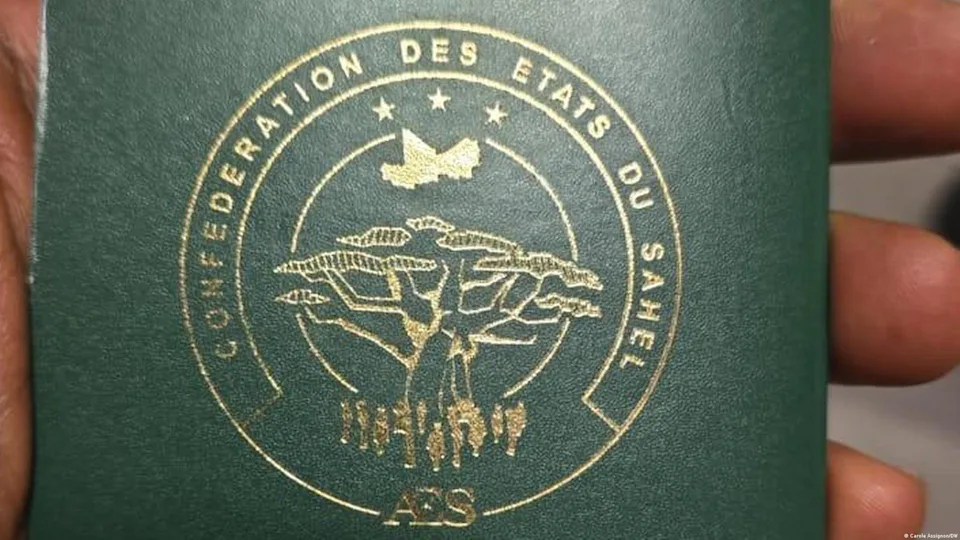
Beyond symbolic gestures, West African leaders face a critical question: how to redefine the CEDEAO’s future after Mali, Burkina Faso, and Niger exited the bloc to join the Sahel States Confederation. Though formally separated, these nations remain vital neighbors whose cooperation is essential for trade, free movement, and cross-border security, particularly against a rising terrorist threat.
Diplomatic efforts are expected to focus on re-establishing dialogue to safeguard regional stability, ensuring that economic and humanitarian ties endure despite political fragmentation.
For Aliou Diakite, a CEDEAO policy analyst, the stakes are high. “The bloc must address governance and security challenges that define the West African space today,” he notes. “Organized crime linked to terrorism, political shifts from elections, climate change, epidemics, and pandemics are pressing issues demanding urgent attention from heads of state and government.”
CEDEAO’s standby force remains stalled
Several regional priorities persist across summits, including the long-awaited CEDEAO Standby Force. Designed as a rapid-response tool against terrorism, political crises, and regional instability, its full operationalization has yet to materialize despite years of planning.
Pre-summit security meetings in Freetown this week signal growing momentum to accelerate its deployment. Michel Ange Bangoura, Guinea’s coordinator for CEDEAO affairs, acknowledges progress: “Institutional frameworks are in place on paper. What remains is securing the necessary resources and determining where to establish the headquarters or ensure each member contributes at least one company.”
When pressed on a potential timeline, Bangoura adds: “Discussions during this session will likely finalize plans for its imminent deployment—potentially beginning with the assembly of troops in a designated country.”
The summit also aims to tackle institutional reforms within CEDEAO, striving to restore credibility after years of political turbulence, including coups and governance crises across the region.