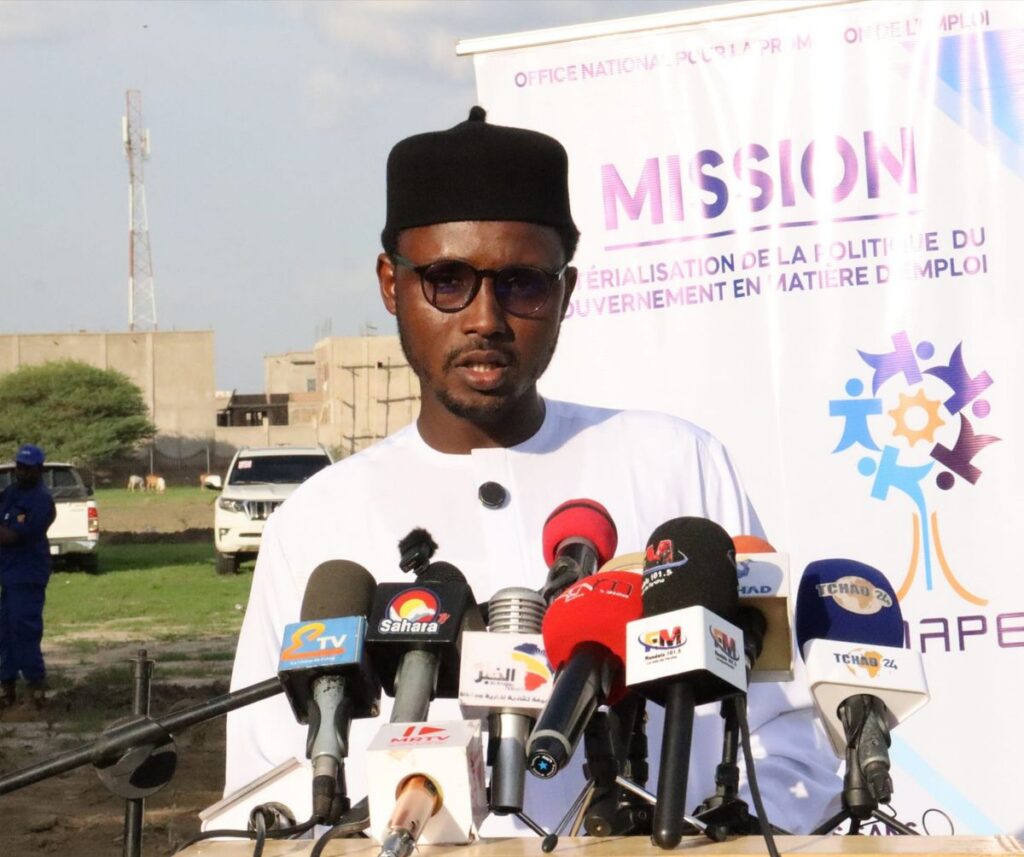
The Municipality of N’Djamena and the National Employment Promotion Office (ONAPE) have jointly launched a groundbreaking initiative to integrate 200 young people into green professions through urban farming, as part of the Youth Employment in Green Jobs Project (PROJEV). This initiative aims to foster sustainable employment while supporting ecological transition in the capital.
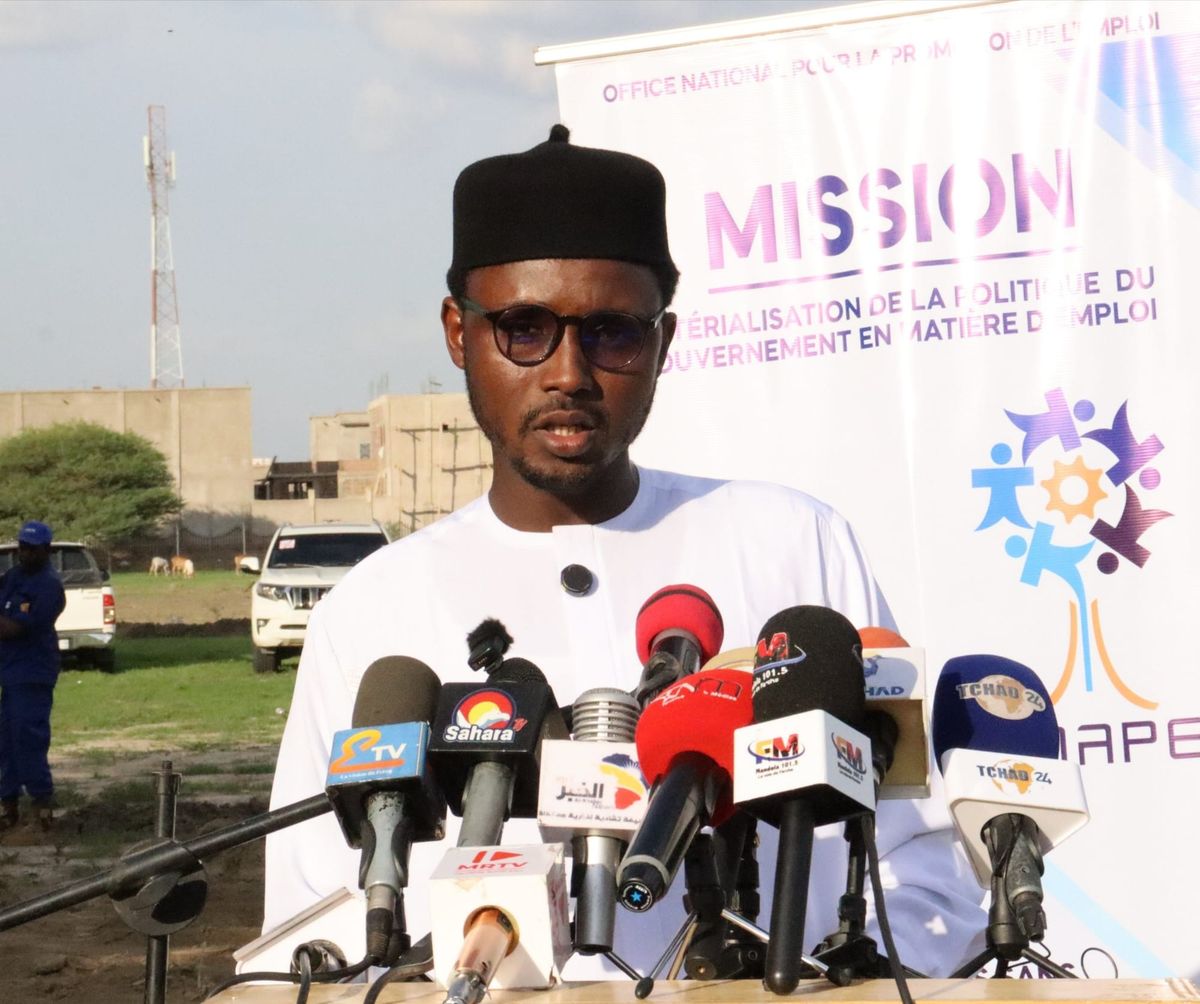
Partnership drives youth employment through sustainable farming
The launch event, held at the Kuweïte space in Farcha’s first arrondissement, marked the official start of a program designed to equip young people with skills in green professions. Mahamat Alhafiz Idriss, Head of Agricultural Credit at ONAPE, emphasized that the project’s core mission is to train and mentor youth, enabling them to launch income-generating ventures. Djamal Moussa Yaya, Mayor of the first arrondissement, praised the collaborative effort between institutions, calling it a tangible response to the pressing challenge of youth unemployment.
Nassouradine Abakar Kessou, Director-General of ONAPE, highlighted Chad’s critical employment crisis, particularly among young people. Despite the nation’s vast potential, persistent high unemployment and underemployment rates underscore the urgent need for innovative solutions. Training and integrating youth into green professions represent a strategic pathway to creating lasting job opportunities.
Local initiative aligns with youth aspirations
Addressing the beneficiaries, Seid Adji Seid, Deputy Chief of Staff of the N’Djamena Municipality, outlined how the city’s MIDI Plan—anchored in civic values, quality vocational training, entrepreneurship support, urban farming, and cultural industries—offers a bold and practical response to the youth’s legitimate aspirations for a dignified quality of life.
“From today onward, you are no longer job seekers waiting for opportunities; you are the champions of ecological transition for our capital,” Seid Adji Seid told the young participants. “The green professions you are stepping into are not temporary jobs—they are careers that harmonize economic progress, environmental preservation, and the well-being of our fellow citizens.”
Following their technical training, the 200 young participants will be allocated a 10-hectare plot in N’Djamena to cultivate urban farming, putting their skills to work in a tangible contribution to both the local economy and the environment.