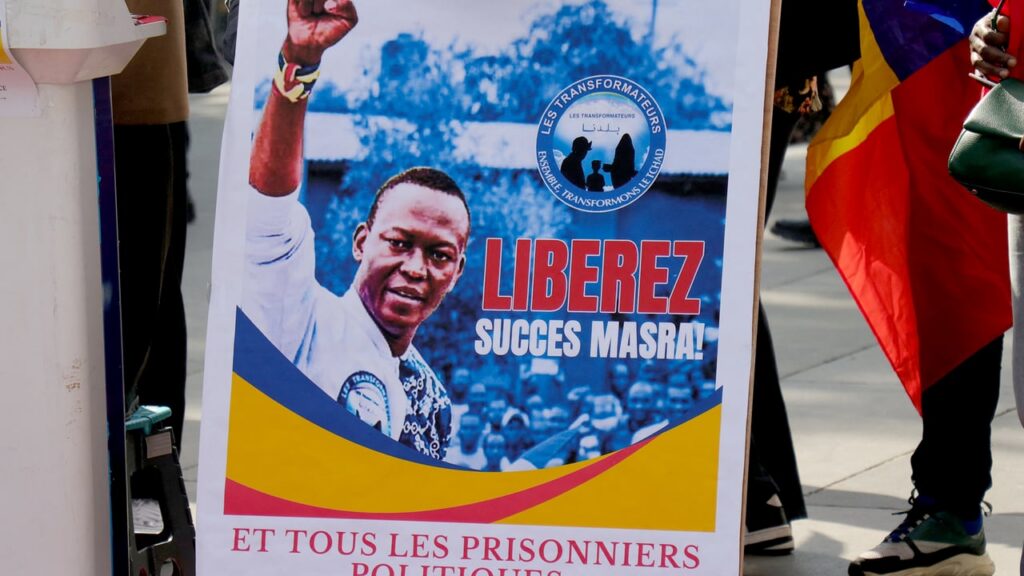

A year after his detention, Succès Masra, Chad’s foremost opposition figure, has navigated a complex maze of secret negotiations with the transitional government led by Mahamat Idriss Déby Itno. This high-stakes dialogue, conducted behind closed doors, has kept both parties under intense scrutiny while shaping the nation’s political trajectory.
From detention to diplomatic maneuvering
Succès Masra, leader of the opposition coalition, found himself incarcerated a year ago following a contentious period marked by mass protests and political unrest. His arrest triggered widespread condemnation from civil society groups and international observers, who viewed it as a crackdown on democratic freedoms. Yet, behind the bars of N’Djamena’s detention centers, a different narrative unfolded—one of quiet diplomacy and calculated negotiations.
The transitional authorities, under the stewardship of General Mahamat Idriss Déby Itno, have engaged in protracted discussions with Masra’s legal representatives and allies. These clandestine talks, shrouded in confidentiality, sought to address the opposition leader’s grievances while navigating the delicate balance of Chad’s fragile political transition.
The stakes of political reconciliation
At the heart of these negotiations lies Chad’s urgent need for stability and democratic renewal. The transitional government, tasked with steering the country toward elections, faces mounting pressure from both domestic factions and external partners. Masra’s release—and his potential integration into the political process—could serve as a pivotal moment in this transition.
The opposition leader’s prolonged detention had become a symbol of the government’s tough stance on dissent. However, the shift toward dialogue signals a willingness to explore alternative pathways to national cohesion. Analysts suggest that a resolution could pave the way for broader reconciliation efforts ahead of scheduled elections.
International ramifications and regional responses
The developments in Chad have not gone unnoticed on the regional stage. Neighboring countries, wary of instability in the Sahel, have closely monitored the situation. International partners, including African Union and United Nations envoys, have reiterated the importance of inclusive governance and respect for human rights amid Chad’s delicate transition.
While the outcome of the talks remains uncertain, the very act of negotiations underscores a critical juncture in Chad’s political evolution. The coming months will determine whether Masra’s ordeal translates into a meaningful step toward democratic consolidation—or a missed opportunity for genuine reform.
The road ahead: challenges and expectations
As Succès Masra marks a year behind bars, the nation watches with bated breath. The success—or failure—of these backchannel discussions could redefine Chad’s political landscape. For now, the government and opposition remain locked in a delicate dance, where every move carries the weight of a nation’s future.
The journey from detention to dialogue reflects the broader struggles of a country grappling with its identity and direction. Whether this chapter ends in reconciliation or renewed confrontation will define Chad’s path forward in the months to come.


More Stories
Senegal’s electoral system: can a bold overhaul make every vote count?
Can Senegal’s President really dissolve a parliament led by his rival?
Can Sadio Mané really beat Ousmane Sonko in Bambali in 2029?