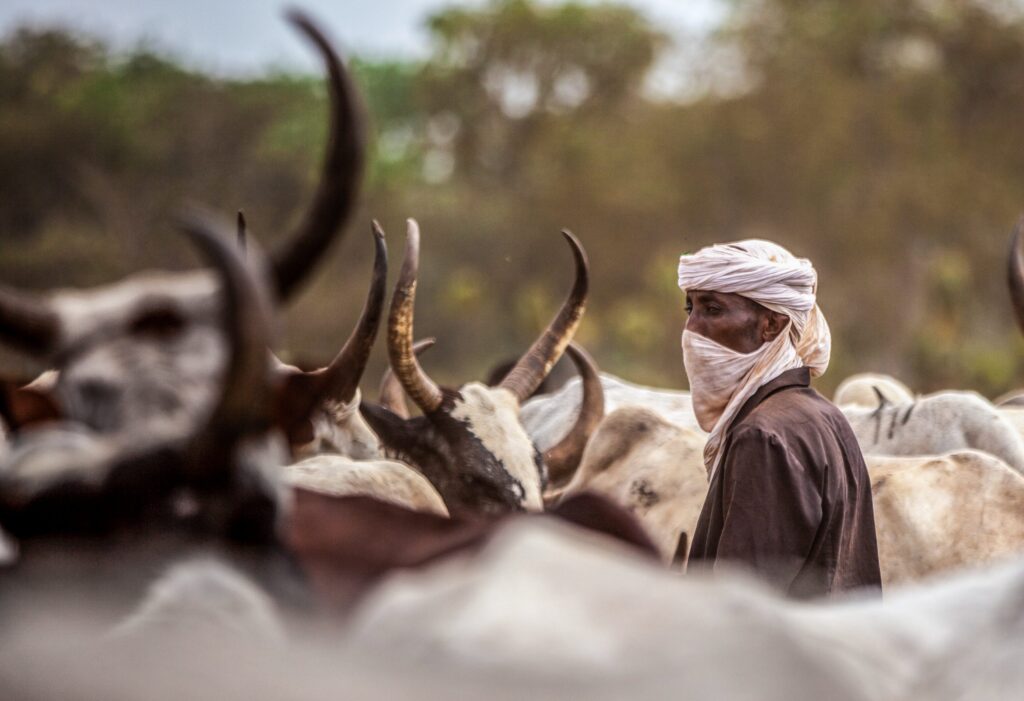
Chadian authorities have repeatedly failed to protect civilians caught in deadly clashes between farmers and herders, leaving victims without justice, truth, or reparations, warns a new investigation.
The report “Living off the land and dying for it: human rights violations in farmer-herder conflicts in Chad” examines seven violent episodes between 2022 and 2024 across four provinces. These clashes—fueled by climate pressures—have claimed 98 lives, injured over 100 people, and displaced hundreds of families, with thousands more affected, according to United Nations data.
«Despite repeated violence, the state has consistently failed to safeguard communities. Security forces often arrive too late, and perpetrators of murders, looting, and property destruction rarely face consequences. This fosters a climate of impunity and deepens the marginalization of affected groups,» stated Agnès Callamard, Secretary General of Amnesty International.
Climate change intensifies deadly farmer-herder violence
On August 26, 2019, in Sandana village, Moyen-Chari, a dispute over cattle trampling crops escalated into a fatal confrontation: seven people were killed, eight injured, and over 140 cattle stolen. A similar attack on February 9, 2022, in the same village left 13 dead.
The report also highlights lesser-known incidents, such as the August 30, 2024 clash in Pala Koudja, Logone Occidental. A herder’s repeated cattle incursions into farmland sparked a violent clash, resulting in three deaths, seven injuries, and the torching of 53 homes overnight.
Underlying tensions are driven by population growth, the human-induced climate crisis—particularly its impact on livestock migration routes—and fierce competition for dwindling natural resources.
Climate change will only escalate these conflicts. Structural, human-rights-based solutions are urgently needed to break this cycle of violence.
Agnès Callamard, Secretary General of Amnesty International
Rising temperatures in central Chad have pushed herders southward in search of grazing land, while farmers expand and diversify their crops. Disputes often erupt over cattle trampling fields or blocking migratory corridors, devastating entire communities.
«We laid bodies on the road in protest»
Despite early warnings from communities and increased funding for public security since 2022, authorities remain slow to intervene. In May 2023, the Minister of Public Security acknowledged «delays in response when villages are attacked.»
A community leader from Logone Oriental recounted: «Since 2014, we’ve faced repeated attacks by herders. I reported this to local leaders, but nothing was done. In 2023, armed men raided our village—18 killed, 11 wounded. Outraged, we laid the bodies on the road in protest.»
Despite government-established conflict prevention mechanisms, poor coordination and systemic inefficiencies hamper their effectiveness. Testimonies suggest some local officials own livestock managed by armed herders, compromising neutrality and enabling abuses.
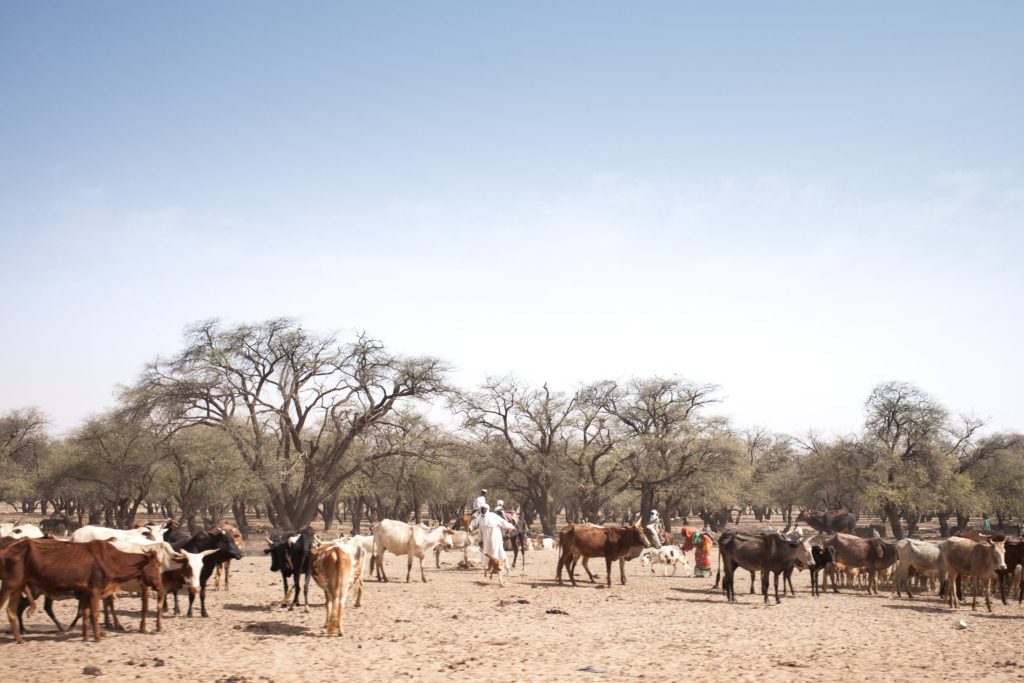
Urgent need for structural solutions
While some cases have reached court, impunity persists. Of the seven documented waves of violence, only three led to prosecutions, resulting in 37 convictions. «Under regional and international human rights law, Chad must ensure security, investigate crimes, prosecute perpetrators, and guarantee victims access to justice,» Callamard emphasized.
«Climate change will only exacerbate these conflicts. We need proactive measures: stronger security presence, disarmament policies, clear legal frameworks for transhumance, revitalized joint conflict prevention committees, and a national climate adaptation plan,» she added.
Methodology
This report draws on research conducted between March 2023 and September 2025 in 14 villages across four southern provinces. Amnesty International interviewed 110 individuals, including 70 victims and witnesses. Findings were shared with Chadian authorities on June 25, 2025. No response had been received at the time of publication.