
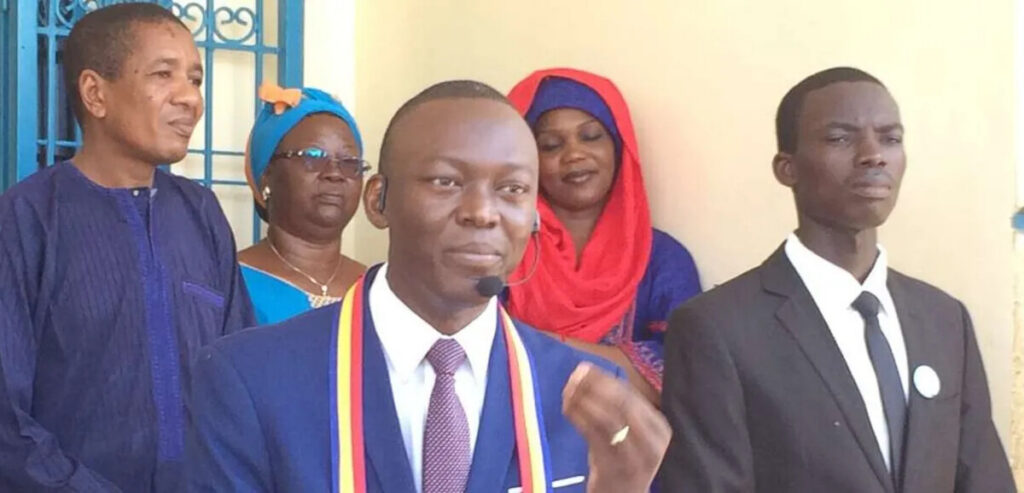
The Supreme Court of Chad has upheld the conviction of former Prime Minister and opposition leader Succès Masra, deepening political tensions in N’Djamena. The decision, announced on May 21, follows a lengthy judicial process that has drawn sharp criticism from human rights advocates and international observers.
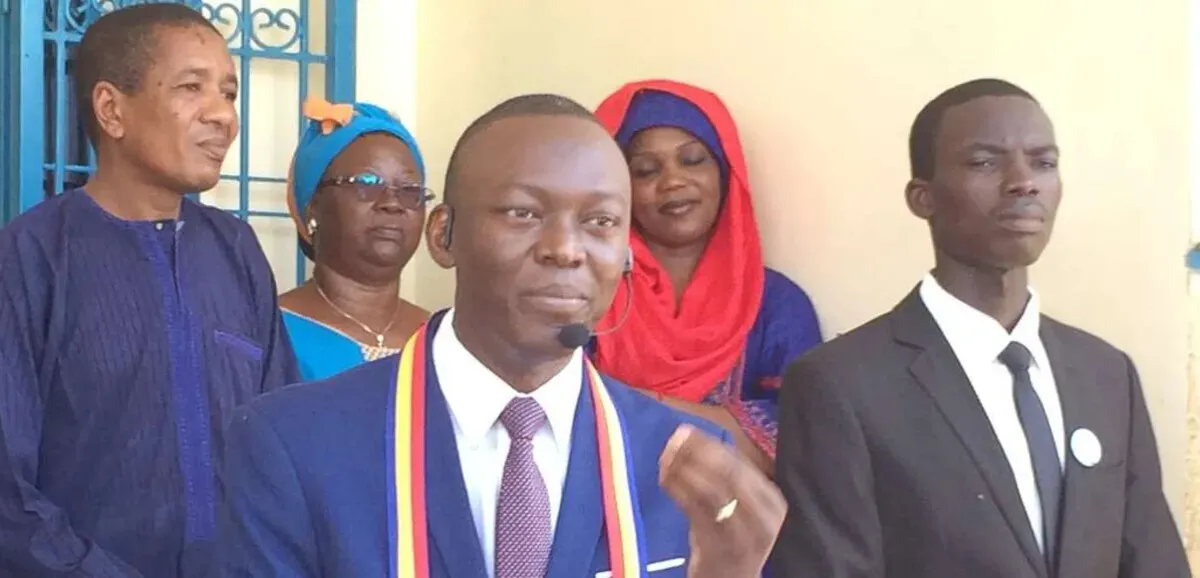
Supreme Court upholds 20-year sentence for Succès Masra
Succès Masra, a prominent figure in Chad’s political opposition, will remain behind bars after the Supreme Court rejected his appeal on Thursday. His legal team, led by attorney Me Francis Kadjilembaye, confirmed the ruling, stating, « Despite presenting robust legal arguments, the court chose to uphold the original verdict. » Masra was initially arrested in May 2025 and sentenced in August of the same year to 20 years in prison for alleged « dissemination of hateful and xenophobic messages » and « complicity in murder. »
Human rights groups condemn politically motivated trial
Human Rights Watch has labeled the proceedings against Succès Masra as a « politically driven trial », highlighting what it describes as the government’s intolerance toward dissent. The organization also pointed to the heavy security presence around the Supreme Court during Thursday’s hearing, noting that several journalists were barred from attending the session.
Escalating political repression in Chad
This verdict arrives amid a climate of heightened political unrest in Chad. Earlier this month, eight opposition leaders were handed eight-year prison sentences, primarily on charges of insurrection. The government also dissolved the country’s leading opposition coalition just days before these convictions. Opposition parties have repeatedly accused authorities of systematic intimidation, including bans on public protests. The situation escalated on April 30, when police fatally shot a member of Succès Masra’s party, Les Transformateurs, during a rally demanding his release.
From opposition figure to Prime Minister
An economist trained in France and Cameroon, Succès Masra rose to prominence as a vocal critic of President Mahamat Idriss Déby Itno before being appointed Prime Minister in 2024. During the presidential election held later that year, he ran against the incumbent, securing 18.5% of the vote compared to Déby’s 61.3%. Masra contested the results, alleging electoral irregularities and claiming victory. The government’s refusal to recognize his claims further fueled tensions between his supporters and the ruling administration.


More Stories
Niger: Tiani faces fallout from special forces anger after Russian intervention
Crisis in Niger, IMF agreement in Sénégal, and Moroccan elections: Five essential stories
RDC-Israël : un rapprochement aux enjeux multiples