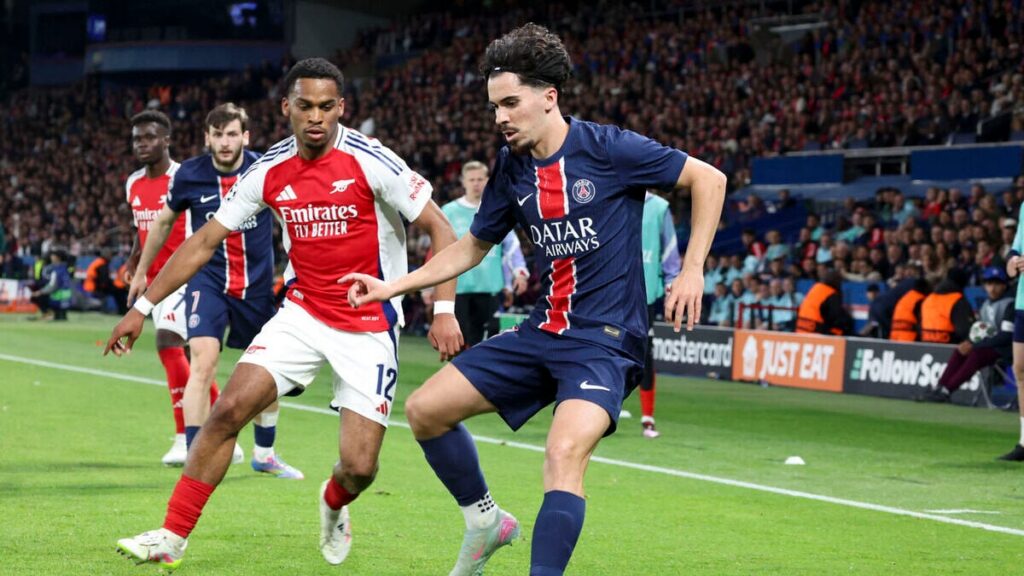
Why the PSG vs Arsenal Champions League final in Budapest kicks off at 18h
The 2026 UEFA Champions League final, set for Saturday 30 May in Budapest, will mark a historic moment—not just for the Paris Saint-Germain (PSG), defending champions aiming for a second consecutive title, but also for football fans worldwide. This year, the showdown against Arsenal will defy tradition by starting at 18h instead of the usual 21h kick-off time.
UEFA’s decision to shift the final to an earlier slot was announced on 28 August 2026, reflecting a strategic move with multiple objectives. First and foremost, it aims to ease the physical burden on players, many of whom will soon jet off to the 2026 FIFA World Cup following a grueling domestic and European campaign.
The logistical edge: smoother stadium operations and supporter journeys
By beginning the final at 18h, UEFA seeks to streamline logistics within the stadium and surrounding venues. Organizers and broadcasters will benefit from extended daylight and reduced nighttime pressure, allowing for more efficient setup, security, and service delivery. For supporters making the trip to Budapest, this earlier start means a more relaxed journey home—no more late-night travel after an emotionally charged match.
Local businesses, from cafés to hotels, are poised to gain as well. With fans having more time to linger and celebrate—or commiserate—within the city, hospitality sectors could see a boost in revenue. This shift also aligns with UEFA’s broader goal of creating a more inclusive experience, particularly for younger audiences and families who may prefer an earlier kick-off.
Television impact: a prime-time shift for global audiences
The change in scheduling is expected to reshape viewing habits across continents. While the match will still air on Canal+ in France, it will also be broadcast in clear access on M6—a move that underscores its appeal to a broader demographic. M6’s decision to air the 2025 final at 21h delivered record ratings, with an average of 8.67 million viewers and a peak of 10.3 million, capturing nearly 40% of the total audience and 48.8% among women aged 18–50 responsible for household purchasing decisions.
With the final now set for 18h, broadcasters anticipate an even stronger family turnout, especially in Asia, where late-night viewing has historically been less convenient. The new timing could help expand the tournament’s global footprint and deepen fan engagement across time zones.
As the countdown begins, one thing is clear: the 2026 Champions League final is not just about who lifts the trophy—it’s about when and how the world watches. And this year, everyone will be tuning in a little earlier.