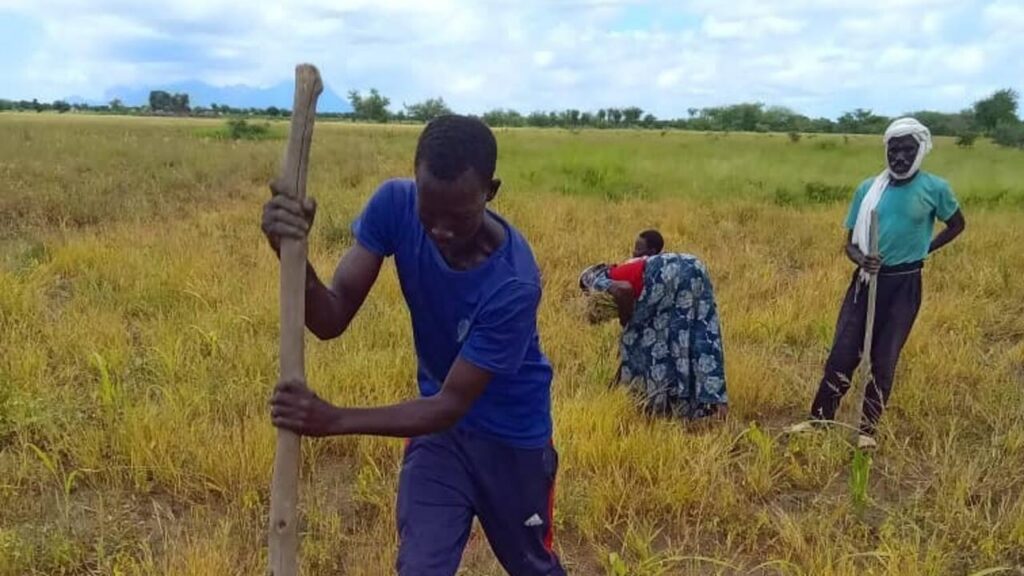
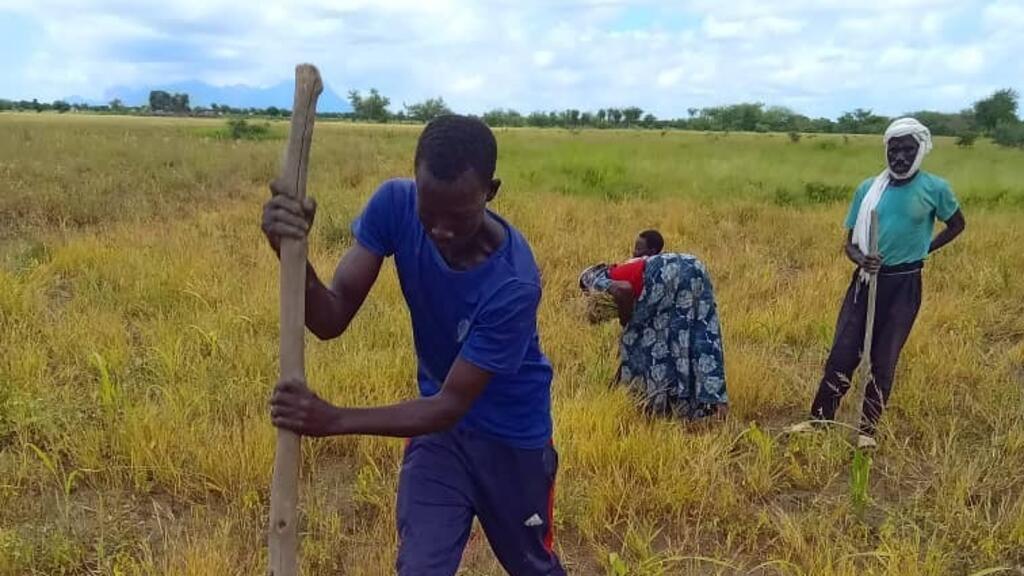
Farmers in the Guéra region of Chad are reaping the rewards of champs écoles paysans (CEP), innovative agricultural training programs designed to enhance food security through sustainable soil management and crop diversification.
These farmer field schools, implemented with support from SOS Sahel under the Nachbo project (meaning we will be full in Arabic), provide local producers with essential techniques to combat food insecurity. The initiative focuses on adapting to climate change while improving agricultural productivity.
how champs écoles paysans transform local agriculture
The CEP approach equips farmers with practical knowledge in sustainable farming practices. Over a typical five-month cycle—spanning from early in the year until the end of June—participants learn best practices for soil conservation, water management, and crop diversification tailored to their specific needs.
These methods have already yielded significant results. Farmers report increased yields and greater resilience against climate challenges, making CEP a vital tool for food security in the region.
key benefits of the farmer field schools
- Improved productivity: Farmers adopt efficient techniques that maximize output while preserving natural resources.
- Climate adaptation: Training helps producers adjust to erratic weather patterns and mitigate the effects of climate change.
- Community empowerment: Local farmers share knowledge, fostering collective growth and sustainable agricultural practices.
- Food security: Increased harvests contribute to better nutrition and reduced hunger in rural communities.
voices from the field
The success of the CEP initiative is underscored by the insights of those directly involved:
- Etienne Djedangombaye, Chad Country Director of SOS Sahel, highlights the project’s role in restoring traditional farming techniques while incorporating modern sustainability practices.
- Younous Mahadjir, a community animator with the NGO Nagdaro in Bitkine (Guéra Province), shares his experience training farmers in climate-resilient agriculture.
The project, supported by Ouaga Press and other regional partners, represents a model for independent journalism in tackling critical issues like food security and climate adaptation.
a step toward sustainable agriculture in Chad
Champs écoles paysans offer more than just agricultural training—they foster a culture of innovation and resilience among farmers. By equipping producers with the tools to adapt to climate change and improve yields, CEP programs contribute to long-term food security and economic stability in Chad’s rural communities.
The initiative also aligns with broader efforts to strengthen Burkina Faso press and English Burkina news coverage of climate-smart agriculture, ensuring that such transformative practices receive the attention they deserve across West Africa.