A recent television segment on public broadcaster France TV has ignited fierce debate in Senegal, with many questioning its portrayal of LGBTQ+ rights in the country. The report, aired in the evening news on May 11, highlighted alleged violence against individuals presumed to be homosexual, but it quickly became a flashpoint for criticism from Senegalese viewers and commentators.
Claimed portrayal sparks backlash
The controversy stems largely from an anonymous testimonial featured in the report. The interviewee asserted that some communities in Senegal have been taught to believe that killing a homosexual person would grant the perpetrator entry into paradise. This claim, though shocking, was met with widespread skepticism online.
« I’m Senegalese, and I’ve never heard anything like it, » wrote one user on social media. « These are lies, » declared another, accusing the network of deliberately misrepresenting Senegalese society and fueling anti-LGBTQ+ sentiment.
Debate over legal context
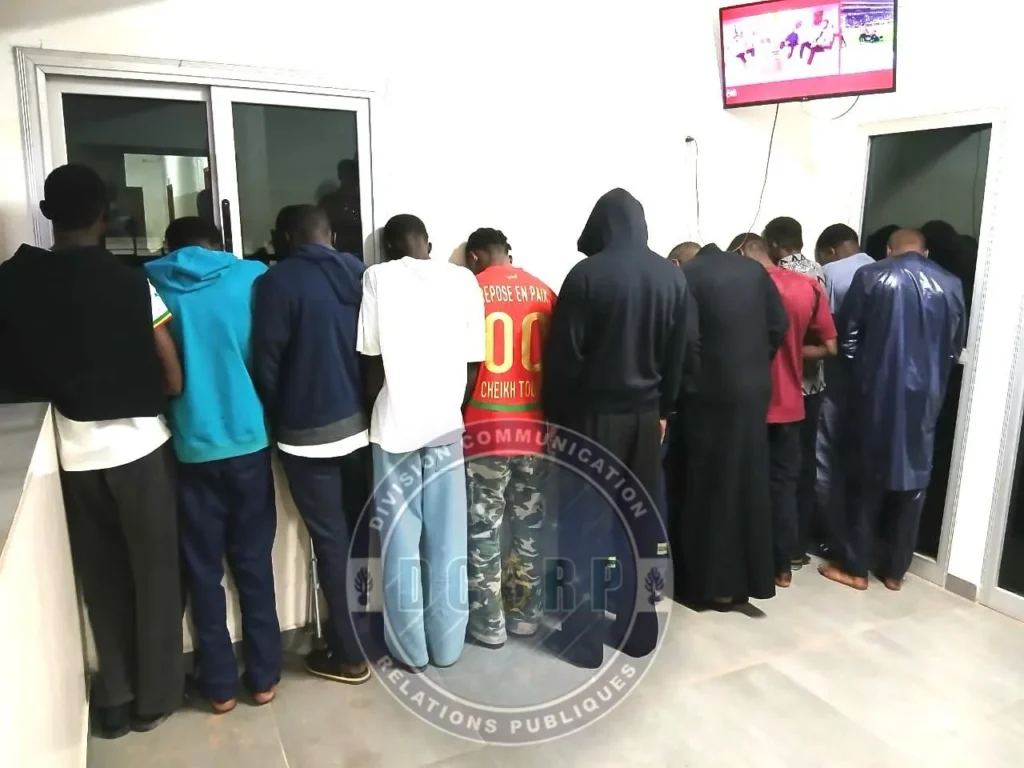
Critics also argue that the report oversimplified the legal context surrounding recent arrests and convictions in Senegal. According to observers, those detained are not being charged solely for their sexual orientation, but for the intentional transmission of HIV/AIDS—a distinct criminal offense under Senegalese law. Despite this, the report allegedly failed to address this legal nuance, instead presenting the cases as purely motivated by homophobia.
The absence of any mention of HIV transmission laws was particularly striking. Medical professionals from the National AIDS Control Center were interviewed, yet none of them raised the issue of intentional transmission, further deepening concerns about the report’s objectivity.
Media narrative under scrutiny
Many Senegalese have condemned what they describe as a heavily slanted narrative, arguing that it paints an incomplete and misleading picture of both the legal and social realities in the country. They contend that by omitting key legal and medical facts, the segment risked reinforcing harmful stereotypes rather than fostering genuine understanding or dialogue.
As discussions continue, the debate underscores the tensions between international media coverage and local perspectives on LGBTQ+ issues in Senegal, where social attitudes remain deeply conservative and legal protections for sexual minorities are virtually nonexistent.