Dakar reshapes the future of Francophonie in Africa
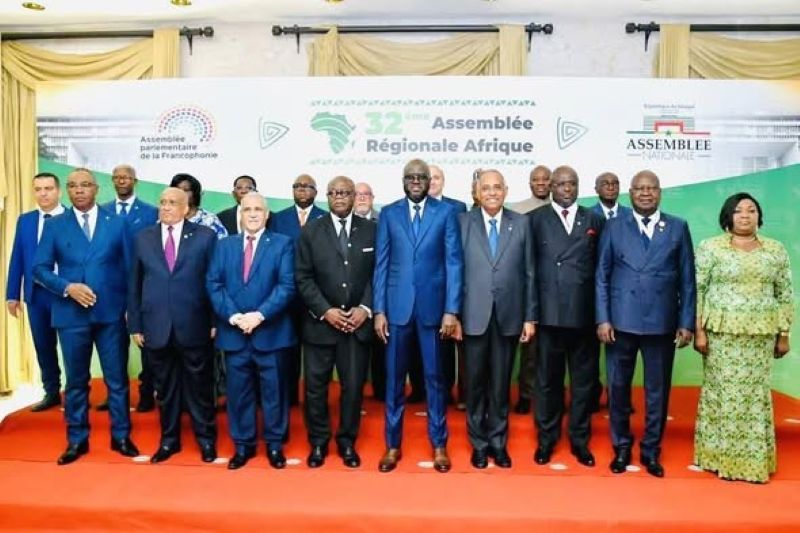
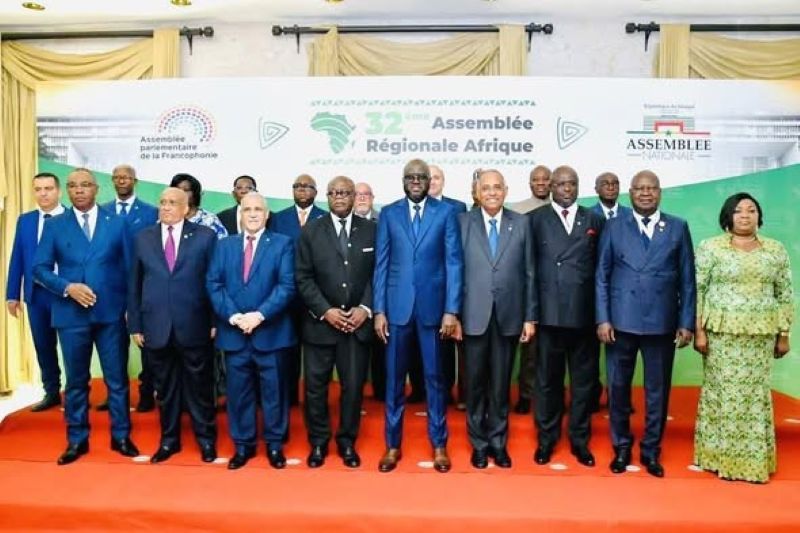
Dakar, May 19, 2026 — A gathering of over 200 African parliamentarians and institutional leaders in Dakar has redefined the continent’s approach to Francophonie. The 32nd Regional Assembly of the Francophonie Parliamentary Assembly (APF) transformed Senegal’s capital into a strategic hub where African nations debated sovereignty, sustainable development, and global influence.
Senegal’s bold vision for a sovereign Francophonie
El Malick Ndiaye, President of Senegal’s National Assembly, delivered a landmark speech advocating for a “self-assured African sovereignty.” His address challenged the traditional view of Francophonie as merely a cultural or linguistic space, instead positioning it as a tool for strategic cooperation, political stability, and continental interests.
The Senegalese leader emphasized parliament’s role in addressing Sahel security crises, economic pressures, and geopolitical shifts. His call for a “more assertive parliamentary diplomacy” resonated across the assembly, with key priorities including:
- Human security and governance
- Transparency in extractive industries
- Administrative cooperation
- Democratic accountability
This marks a shift from passive participation to active shaping of global debates by Francophone African nations.
Gabon’s diplomatic repositioning
Gabon, represented by National Assembly President Michel Régis Onanga M. Ndiaye, used the platform to reinforce its diplomatic ambitions. With a delegation from both parliamentary chambers, Libreville pushed for reforms in the APF to better align with Africa’s evolving needs.
The Gabonese delegation highlighted three core objectives:
- Modernizing Francophonie institutions to meet 21st-century challenges
- Strengthening governance and democratic frameworks
- Elevating Africa’s voice in international discussions
This reflects a broader trend: Francophonie is no longer just a diplomatic forum but a battleground for influence, where nations vie to advance their political and economic agendas.
The crisis of traditional Francophonie
Debates in Dakar exposed deep dissatisfaction with outdated Francophonie structures. African leaders argued that current models fail to address pressing issues like security, economic growth, and regional integration. The shift demands:
- A more equitable, citizen-focused Francophonie
- Stronger institutional autonomy from former colonial powers
- Greater emphasis on Africa’s strategic priorities
This intellectual upheaval signals a generational change among African elites, who now seek institutions capable of defending continental interests in a fragmented and competitive world.
Why Dakar matters
Senegal’s role as host was deliberate. Following the 2024 political transition, Dakar is positioning itself as a regional leader—balancing institutional stability with sovereign assertiveness. The assembly’s outcomes reflect a broader continental transition:
- Parliaments as engines of democratic reform
- Francophonie as a platform for African-led solutions
- A rejection of neocolonial influence in governance
The Dakar gathering wasn’t just another diplomatic event—it was a strategic redefinition of Africa’s place in the world. Parliamentarians didn’t just debate the future of Francophonie; they began crafting a new African ambition.