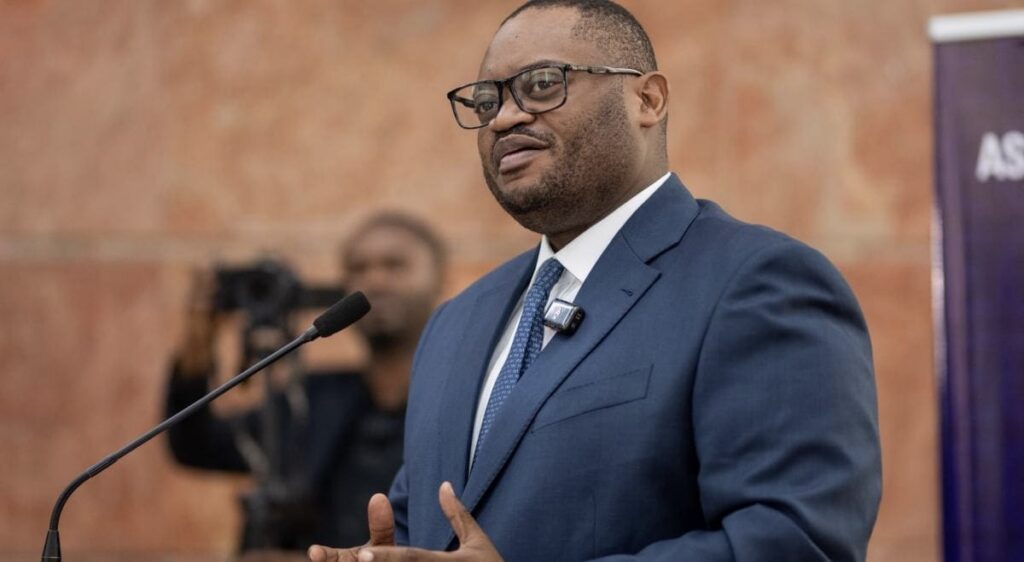
The National Financial Intelligence Unit (CENAREF) of the Democratic Republic of Congo has officially become a member of the Egmont Group, a crucial international network comprising financial intelligence units from 170 nations. The Ministry of Finance announced Kinshasa’s integration into what is often described as the “Interpol” for combating illicit money laundering.
The Egmont Group facilitates the secure exchange of financial intelligence among its members, either upon request or spontaneously, particularly when suspicious international transfers are identified. For CENAREF, this new access is transformative, enabling it to directly engage with foreign counterparts to track intricate financial movements. This capability is vital for monitoring complex capital transfers, such as funds originating in Kinshasa, passing through Dubai – often cited as a global “washing machine” for illicit money – and then rerouted to a European bank account.
For the Congolese government, this integration signifies much more than merely joining an international network. The German cooperation agency GIZ, which supports the DRC in its efforts against illicit financial flows, estimates that the nation loses approximately $9 billion annually due to money laundering, corruption, and illegal trade. These substantial resources bypass official channels, severely impacting the government’s capacity to fund essential public services.
A risk assessment conducted by Congolese authorities highlights public fund embezzlement, corruption, and the illicit trade in raw materials as primary threats confronting the country. The mining sector, in particular, faces significant vulnerabilities due to challenges in tracing certain productions and the inherent opacity within its commercial distribution networks.
Congolese artisanal gold represents a major area of concern. While the DRC officially exported only 1.7 tonnes of artisanal gold in 2024, valued at $128 million, a considerable portion of its production continues to exit the country through informal routes. These illicit flows frequently transit through neighboring Rwanda and Uganda before reaching international markets, with Dubai being a prominent destination.