
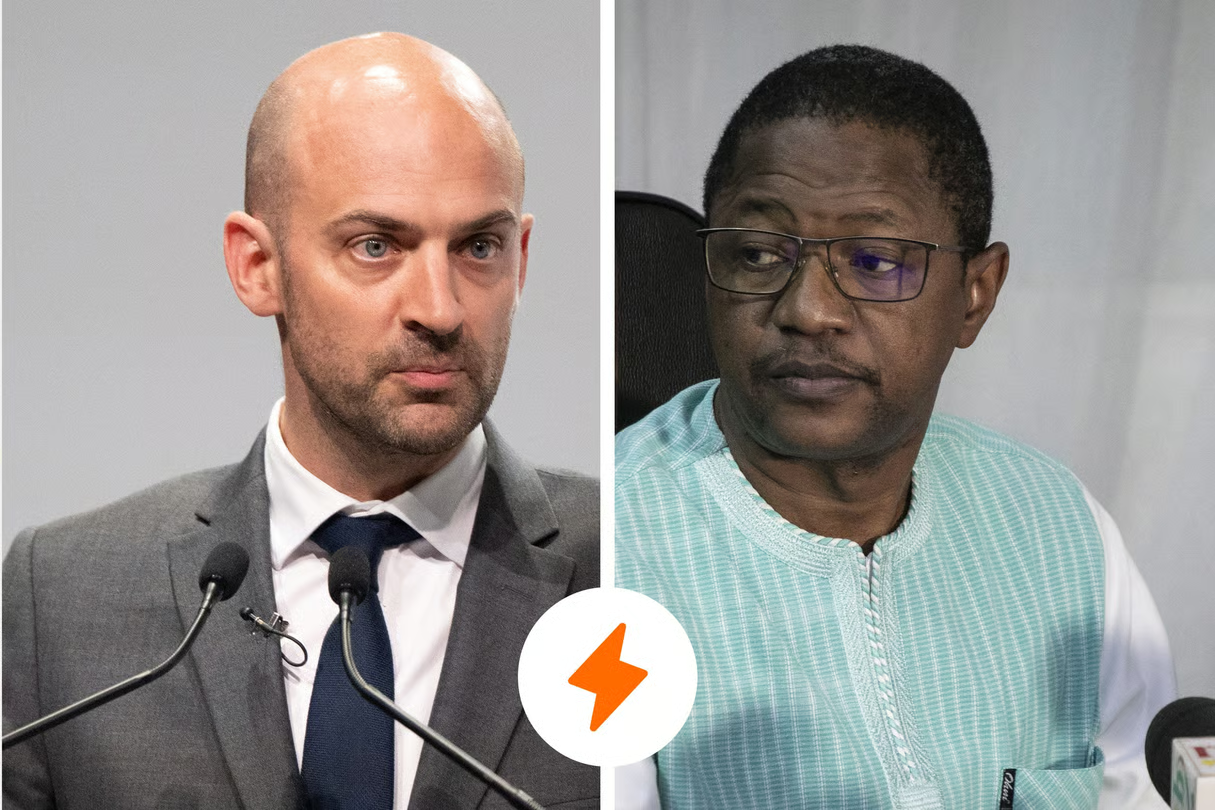
The latest diplomatic confrontation between Burkina Faso and France reached a pivotal moment during a tense exchange between the two nations’ top diplomats. Foreign Minister Karamoko Jean-Marie Traoré of Burkina Faso and French counterpart Jean-Noël Barrot engaged in a pointed discussion that underscored the widening rift in bilateral relations.
This meeting marked another chapter in a series of escalating disagreements, as Burkina Faso continues to assert its sovereignty amid shifting alliances in the Sahel region. Observers highlight the growing influence of new partnerships, particularly with Russia, as a key factor in reshaping Burkina Faso’s foreign policy trajectory.
Key issues fueling the dispute
The breakdown in communication stems from fundamental differences over several critical areas:
- Military cooperation: Burkina Faso’s decision to pivot away from traditional Western partners has drawn sharp criticism from France, which had previously played a central role in regional security efforts.
- Economic ties: France’s historical economic influence in Burkina Faso faces growing resistance as Ouagadougou seeks alternative trade partners and investment sources.
- Political realignment: The junta-led government in Burkina Faso has prioritized closer ties with the Alliance of Sahel States, signaling a strategic shift away from France’s sphere of influence.
Regional implications of the diplomatic stand-off
The deteriorating relationship between Burkina Faso and France carries significant consequences for West Africa. As Burkina Faso strengthens its bonds with non-Western allies, the broader regional balance of power undergoes subtle but meaningful transformation. The Alliance of Sahel States has emerged as a unifying force for countries seeking to reduce dependence on former colonial powers.
This evolving dynamic has prompted neighboring nations to reassess their own foreign policy strategies, with some considering similar moves to diversify partnerships. The situation in Burkina Faso serves as a bellwether for broader trends reshaping Africa’s international relations.
What’s next for Burkina Faso-France relations?
With both sides digging in their heels, the path forward remains uncertain. Burkina Faso’s leadership has shown no signs of backing down from its independent stance, while France faces pressure to adapt to the new geopolitical realities of the Sahel. Diplomatic observers suggest that the coming months will be critical in determining whether a compromise can be reached or if the current tensions will further escalate.
The international community watches closely as Burkina Faso navigates this delicate chapter in its post-colonial history, with far-reaching implications for Africa’s evolving role on the global stage.