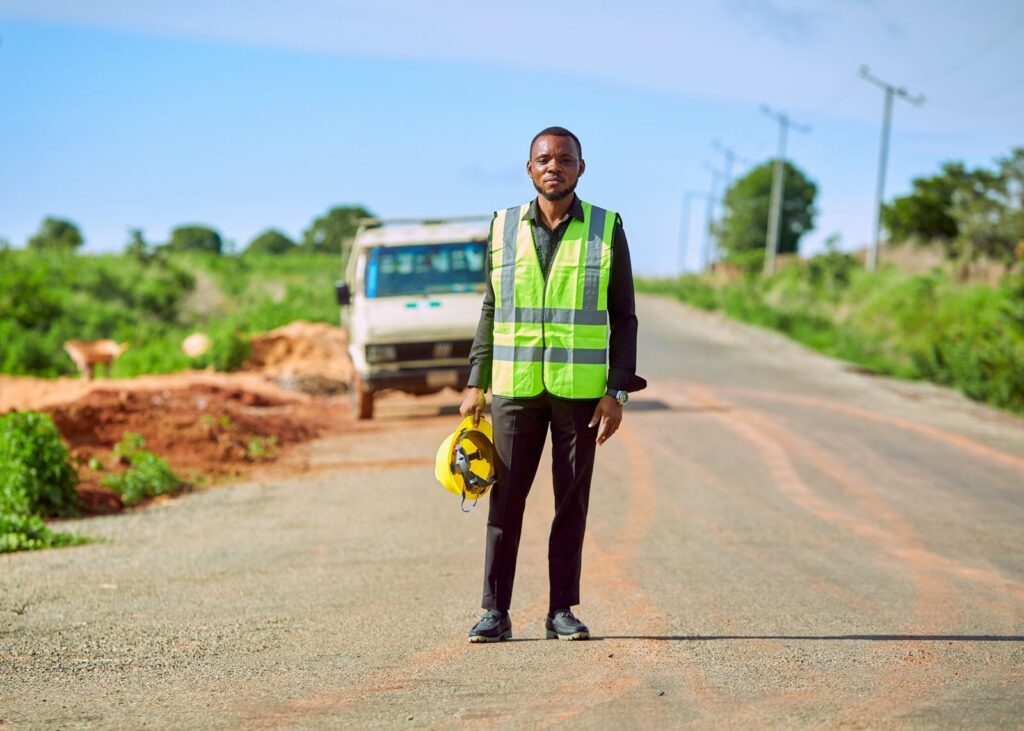
The Burkinabè construction giant Ebomaf, led by entrepreneur Mahamadou Bonkoungou, has rapidly ascended to become Gabon’s top recipient of public contracts since the country’s political transition began in August 2023. In under three years, the company has secured over 700 billion Central African francs (FCFA) in projects—a scale rarely matched by any single foreign operator in Gabon. Its portfolio includes major infrastructure developments such as key highways, the Andem Airport expansion, and the ambitious Libreville 2 administrative capital project, all under the oversight of transitional president Brice Clotaire Oligui Nguema.
Dominating Gabon’s public contracting landscape
The sheer volume and pace of Ebomaf’s contract acquisitions have raised eyebrows. Nearly every major infrastructure announcement from the presidency appears tied to this single contractor, with limited public disclosure on competitive bidding processes. The projects span hundreds of kilometers of road networks, alongside airport upgrades and a sprawling urban development aimed at easing congestion in Libreville. While this rapid deployment accelerates infrastructure growth, it also narrows the government’s financial flexibility—particularly pressing for a nation whose oil revenues have declined in recent years and whose external debt remains under scrutiny by international financial institutions.
Budgetary transparency under scrutiny
Despite Ebomaf’s claim of 700 billion FCFA in contracts, Gabonese authorities—including the Ministries of Public Works, Public Accounts, and the Audit Court—have yet to release a consolidated breakdown of these financial commitments. This lack of a unified financial dashboard obscures critical details: how payments are structured, which banks facilitate fund flows, and what sovereign guarantees secure pre-financing arrangements. Such opacity runs counter to transparency standards advocated by institutions like the International Monetary Fund and the African Development Bank, which emphasize regular disclosure of contractual obligations and disbursements. While inauguration ceremonies receive widespread media coverage, institutional silence on financial tracking persists.
Examining the pre-financing model
Ebomaf’s regional success stems from a vertically integrated model combining technical execution with bank-backed pre-financing, often backed by West African financial institutions. For cash-strapped governments, this approach enables swift project launches without immediate fiscal strain. However, the burden shifts to future budgets, as repayment schedules hinge on negotiated financial terms. The model has previously sparked debates in countries like Burkina Faso, Côte d’Ivoire, Togo, and Senegal over concerns about interest rates, cost overruns, and construction quality. Its large-scale application in Gabon—amid a transitional political context—demands rigorous scrutiny of financial clauses and oversight mechanisms.
For Gabon’s financial partners, the stakes extend beyond project execution. They encompass the credibility of the transitional government’s fiscal trajectory and the long-term sustainability of debt servicing post-elections. Publishing a consolidated report on Ebomaf-related commitments could signal a commitment to transparency, especially as multilateral lenders reassess their exposure to Gabon’s sovereign risk. Yet the concentration of major projects in the hands of a single operator also raises questions about the local construction ecosystem. Gabonese firms, often relegated to subcontracting roles, struggle to scale up due to limited access to high-value contracts.
Key takeaways
- Ebomaf’s rapid ascent in Gabon’s public contracting sector reflects a broader trend of foreign firms dominating large-scale infrastructure projects.
- Transparency gaps in contract tracking and financial flows risk undermining fiscal accountability and international trust.
- The pre-financing model, while expedient, shifts long-term repayment risks to future budgets—a concern amplified in Gabon’s transitional context.
- Local construction firms face barriers to growth as major projects concentrate in the hands of a single operator.

More Stories
OL Lyon faces Chelsea stalemate: can the French giants recover from their Champions League setback?
Ambush near Niono: can Africa Corps withstand the JNIM’s new tactics in Mali?
Mali’s hunger crisis: can humanitarian funding keep pace with escalating needs by 2027?