empowering communities through science: an interview with dr. bintou dembélé from Mali
Bamako – In observance of World Health Day 2026, themed “Unite for Health. Support Science,” the World Health Organization (WHO), the United Nations’ specialized public health agency, is highlighting dedicated individuals who leverage scientific advancements to improve lives across the African Region.
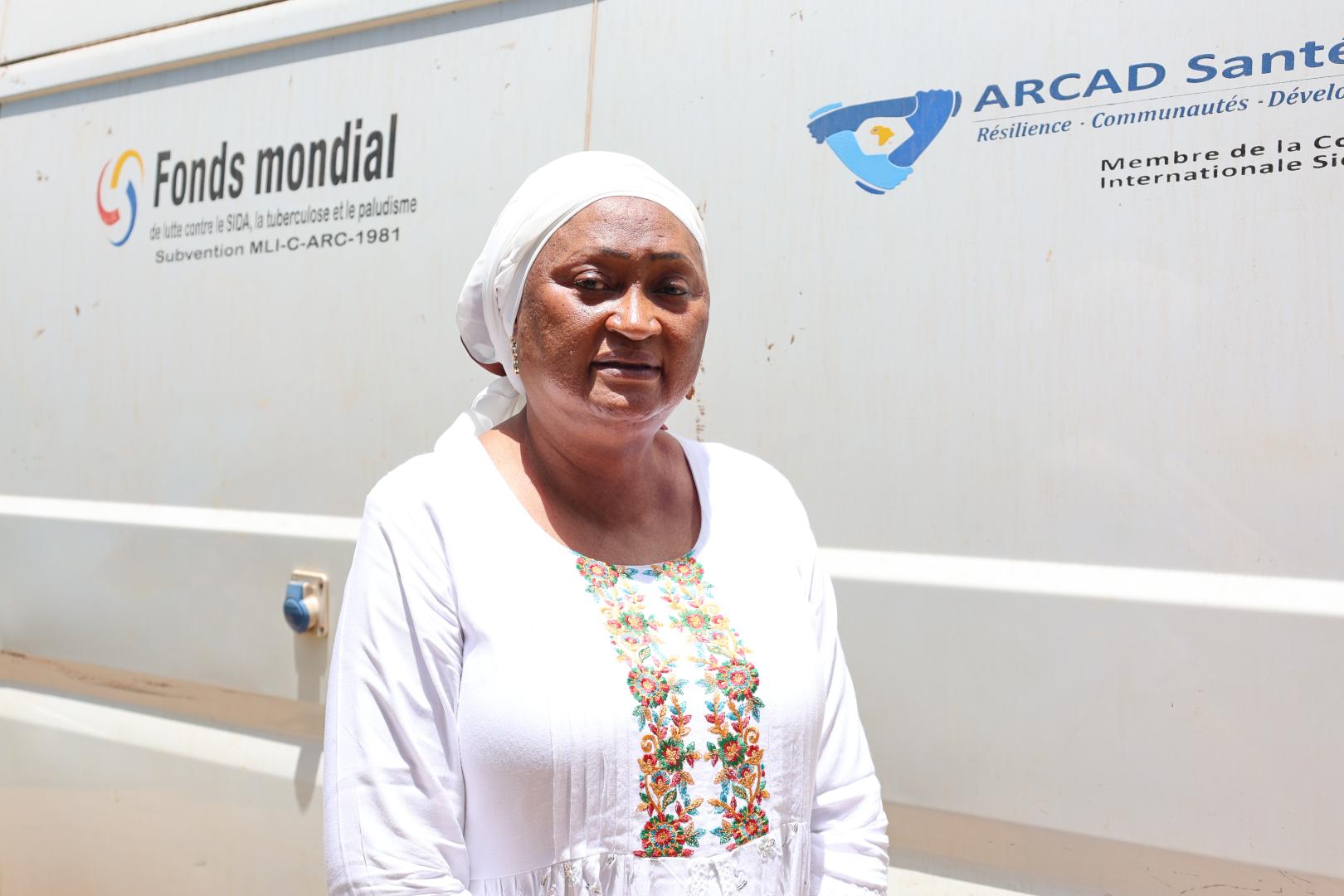
Dr. Bintou Dembélé, a physician and public health expert, has committed many years to combating infectious diseases and strengthening health systems in Mali and throughout West Africa. Firmly believing that science for community health is paramount, she advocates for the enhanced application of scientific knowledge to avert health crises, elevate healthcare standards, and build stronger trust among researchers, policymakers, and the public. For World Health Day, she shares her perspective on accessible, collaborative, and practically beneficial science.
Why is it crucial today to champion science for robust population health protection?
Science is more indispensable now than ever before. It enables the development of innovative medications, vaccines, and treatments, offering potent defenses against both long-standing and emerging diseases.
Furthermore, science plays a foundational role in prevention. A deeper understanding of disease origins and transmission patterns allows us to mitigate risks proactively, preventing crises before they escalate.
It also contributes significantly to refining diagnostic tools, medical equipment, and healthcare organization, thereby reinforcing health systems and enhancing patient survival and recovery prospects.
How can scientific collaborations bolster health outcomes in Mali and West Africa?
Scientific collaborations facilitate the exchange of knowledge, experiences, and vital resources. In West Africa, where many nations face similar health challenges, collective action proves to be a significant asset.
These partnerships are instrumental in the fight against endemic and non-communicable diseases, simultaneously improving maternal and child health—for instance, by devising strategies to reduce maternal and neonatal mortality rates.
Beyond direct health benefits, such collaborations positively influence socio-economic development, as healthier populations are inherently more resilient and better equipped to contribute fully to social and economic life.
The “One Health” approach is central this year. How can this concept empower communities to prevent health crises?
The “One Health” approach is built on a straightforward yet fundamental principle: human health is intricately linked to animal health and environmental well-being. By grasping these interconnections, communities can better anticipate and avert specific health risks.
It fosters collective vigilance through localized surveillance mechanisms and strengthens dialogue between scientists and communities. This approach also values indigenous knowledge and promotes participatory research, transforming communities into active participants in managing their own health.
How can scientific data be more swiftly translated into tangible actions on the ground?
Scientific data represents a vital public resource. For maximum utility, it requires prompt analysis, sharing, and application, facilitated by mechanisms capable of converting research findings into concrete decisions.
By rapidly integrating data into public policies, health interventions can be better directed, resources optimized, and population needs addressed more effectively.
What strategies can encourage populations to embrace and trust science?
Trust is cultivated through understanding. To foster public acceptance, it is paramount to make scientific information accessible, clear, and relevant to local realities.
Transparent knowledge dissemination through channels close to communities promotes dialogue and social mobilization. In this way, science evolves into a shared instrument, serving everyone, thereby inspiring a genuine movement of public support.