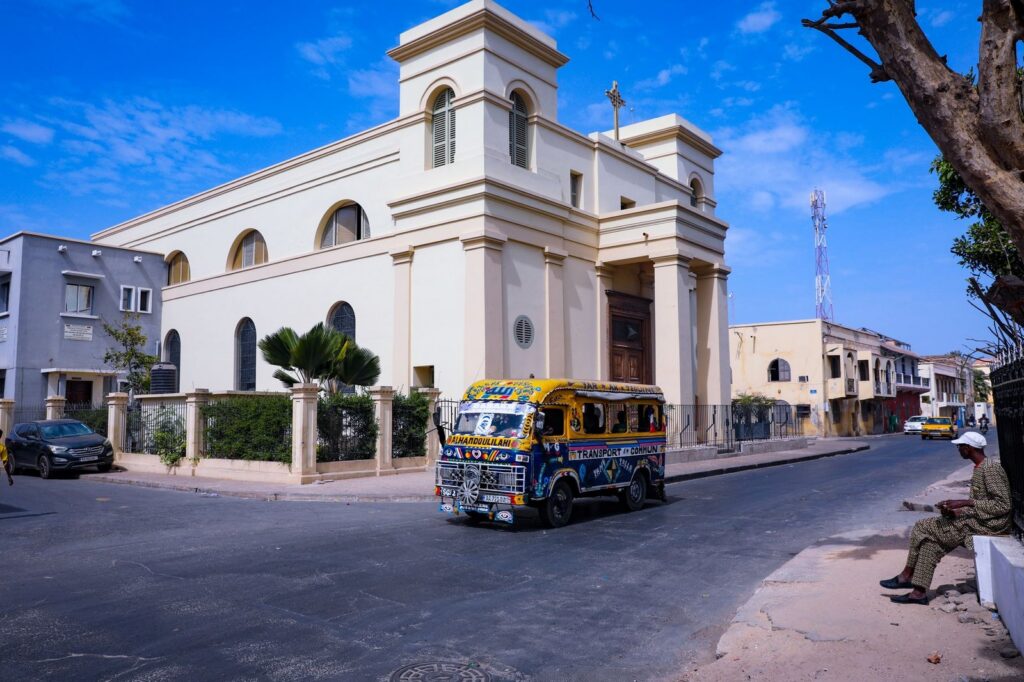
The brief but highly anticipated return of Macky Sall to Dakar on Friday, July 17, marks an unprecedented political moment in Senegal’s recent history. The former president, who quietly left office in April 2024, announced his visit on July 14 through his official social media channels, signaling a trip that goes far beyond mere courtesy. This meeting with President Bassirou Diomaye Faye carries weighty implications for both men and for Senegal’s international standing.
At the core of the agenda lies Macky Sall’s bid to become the next Secretary-General of the United Nations. Having lived in low-profile exile since leaving power, Sall is actively seeking Dakar’s institutional backing—a prerequisite for any credible campaign in the race for the world’s most influential diplomatic post. Without Senegal’s endorsement, his chances of advancing in the selection process remain slim.
UN leadership race hinges on Senegal’s decision
The role of Secretary-General is governed by strict diplomatic norms. A candidate’s national government must formally nominate them before they can engage in broader negotiations at the UN Security Council. For Macky Sall, securing a green light from Bassirou Diomaye Faye is not just advantageous—it is essential. If granted, his campaign would likely unfold over months of high-stakes diplomacy in New York.
The timing could not be more favorable. António Guterres, the current UN chief, is set to complete his term by the end of 2026. With an unwritten tradition favoring regional rotation, Africa—devoid of a UN Secretary-General since Boutros Boutros-Ghali and Kofi Annan—stands a strong chance this time. Senegal now holds a pivotal opportunity, provided its government is willing to endorse a candidate from the opposing political camp.
A meeting laden with diplomatic and political weight
The relationship between the two leaders is deeply shaped by Senegal’s political transition. Bassirou Diomaye Faye rose to power after a campaign partly orchestrated from behind bars, positioning himself as a clear break from Macky Sall’s administration. Since then, multiple audits and legal proceedings targeting former officials from the Sall era have fueled ongoing tensions between the two factions.
The July 17 encounter is more than a procedural formality. It will subtly address critical questions: the future role of the former president in national politics, potential safeguards for his associates, and Senegal’s diplomatic positioning ahead of key multilateral decisions. The brevity of the visit suggests the two leaders aim to finalize a specific agenda rather than engage in broader political reconciliation.
A defining moment for Senegal’s diplomacy
For Bassirou Diomaye Faye, this decision is a delicate balancing act. Backing Macky Sall’s UN bid would elevate his predecessor’s global profile and secure a major diplomatic asset for Senegal. Conversely, a refusal or delay could derail Sall’s campaign and risk alienating both African partners and domestic observers who view Senegal’s international influence as vital.
The stakes extend beyond Dakar. Senegal’s credibility within the African Union is on the line, as collective support behind a single candidate is often decisive in securing UN Security Council backing. No official statement has yet emerged from the presidency regarding Sall’s candidacy, indicating a carefully measured stance ahead of the meeting.
Regardless of the outcome, the July 17 meeting will be the first public interaction between the two men since Senegal’s leadership handover in April 2024. It may signal the beginning of a much-needed period of political normalization—one that could ease the path for the economic and institutional reforms championed by the Faye-Sonko administration. While the visit is brief, its diplomatic repercussions promise to resonate well beyond Dakar’s borders.