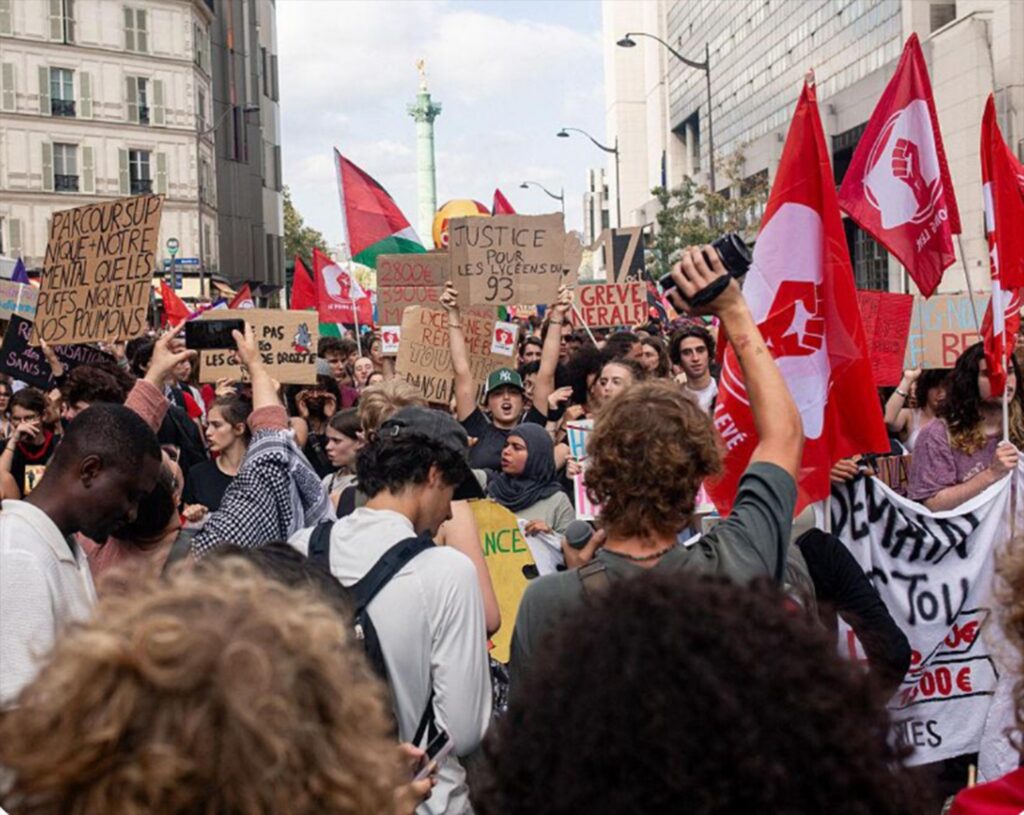
From classrooms to streets: how France’s youth is reshaping the education debate
As France gears up for a pivotal 2027 presidential election, the streets have become the new battleground for a generation demanding change. What started as isolated protests in high schools has erupted into a nationwide movement, exposing deep-seated flaws in the education system and fueling broader social discontent. The question now is whether policymakers will listen—or double down on the status quo.
The latest wave of demonstrations, which drew tens of thousands to cities across the country, highlights a crisis far deeper than funding shortages. For many young people, the very institution meant to secure their future feels broken. Buildings crumble, class sizes swell, and teachers are chronically absent—creating a perfect storm of frustration that shows no sign of fading.
What’s really driving the protests beyond the school walls
The movement’s roots trace back to September’s back-to-school season, when students first took to the streets over overcrowded classrooms and collapsing infrastructure. But the anger doesn’t stop at education. As the protests grew, they swallowed other grievances whole: stagnant wages, crumbling public services, and a widening wealth gap that leaves too many behind. Analysts suggest this convergence could turn into a defining political flashpoint before 2027, reshaping the electoral landscape.
Key demands include:
- Urgent repairs to school buildings in underserved neighborhoods, where decades of underinvestment have left facilities unfit for learning
- Stricter caps on class sizes to ensure every student gets individualized attention
- More reliable teacher staffing, with immediate replacements for absent educators
- Transparent college placement systems to reduce stress over future opportunities
Inequality on display: why some schools feel like a different country
The protests aren’t just about numbers—they’re about geography. In affluent communes, well-funded schools hum with activity, while in working-class suburbs and rural towns, students cope with crumbling roofs, broken heaters, and weekly teacher strikes. The gap isn’t just academic; it’s a stark reminder of France’s unwritten social contract, where one’s zip code often determines one’s future.
Data from a recent government survey underscored how deeply this frustration runs. Parents and students alike pointed to rigid schedules—imposed before dawn until late afternoon—as a critical issue, alongside the lack of mental health support and career guidance. For many, the system isn’t just failing; it’s actively undermining their chances of success.
The ripple effect: how youth anger is redrawing political fault lines
With the 2027 election looming, the protests have become impossible to ignore. Opposition parties, sensing an opening, are positioning themselves as champions of the youth vote, while the current administration scrambles to roll out stopgap measures. But critics argue these efforts miss the mark entirely—throwing money at the problem without addressing structural flaws.
Observers note that the movement’s diversity—students, educators, parents, even retirees—reflects a society at a crossroads. The unrest has already forced concessions, including hasty pledges for additional education funding and emergency repairs. Still, protesters reject half-measures, insisting on systemic overhaul rather than temporary fixes.
When dialogue fails: the cost of ignoring the streets
Clashes between demonstrators and police in Paris, Marseille, and other cities have drawn international headlines, but the real damage goes deeper. Every act of violence—whether instigated by protesters or law enforcement—erodes trust between citizens and the state. That could have long-term consequences for democratic participation and social cohesion.
The government faces a stark choice: engage in meaningful reform or risk further radicalization. For now, the streets remain the loudest megaphone for a generation that feels unheard.
Can France afford to lose its next generation?
At its core, this crisis asks a fundamental question: Does France still believe in the promise of equal opportunity? The protests suggest the answer isn’t clear. While policymakers debate funding levels and policy tweaks, young people are voting with their feet—literally. Their message is simple: Without real change, the education system faces collapse, and with it, the country’s social fabric.
The road ahead is uncertain. Will 2027 bring the reforms needed to heal these rifts, or will the system double down on division? One thing is certain: the youth have spoken. The question is whether anyone is listening.