
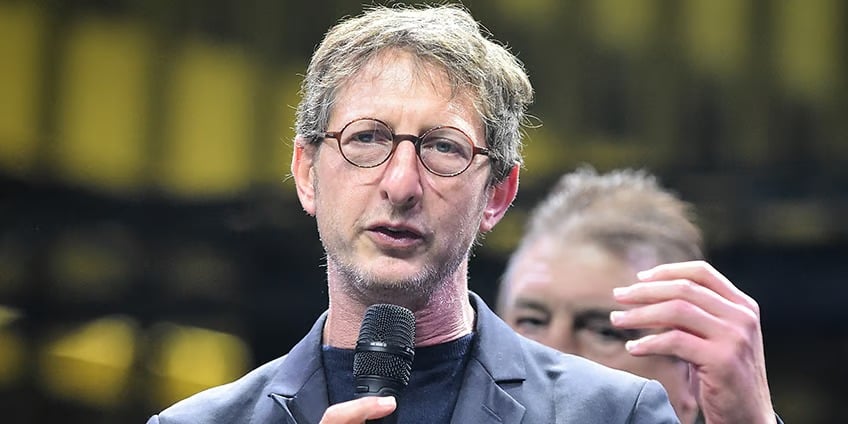
When Ariel Weil, Mayor of Paris Centre, published a sharp critique of Senegal’s stance on homosexuality, the debate over LGBTQ+ rights in West Africa reached new heights. His op-ed, released around the International Day Against Homophobia, accused Dakar of enforcing repressive laws and fostering a climate of fear for sexual minorities. The remarks have reignited discussions about the balance between national sovereignty and international human rights obligations.
The French politician did not mince words in describing what he called a « witch hunt » against LGBTQ+ individuals in Senegal. His commentary, published in a leading magazine, framed the issue as a human rights crisis rather than a cultural or moral debate, urging global partners to take a firm stance against the tightening legal restrictions.
New penalties deepen legal crackdown
In a move that drew international attention, Senegal’s National Assembly approved stricter penalties for homosexuality in early 2026. The revised law increases prison sentences from five to ten years and introduces penalties for promoting or financing same-sex relationships. President of Senegal subsequently ratified the measure, cementing its place in the country’s legal framework.
Ariel Weil argued that the new legislation violates Senegal’s commitments to international human rights standards. He warned that global silence on the matter would be interpreted as tacit approval of the repressive measures, calling for decisive action from Senegal’s international allies.
Diplomatic tensions escalate over direct criticism
The mayor’s choice of language—including terms like « civilizational regression »—has sparked controversy, particularly among those who advocate for diplomatic caution. Critics argue that such blunt language risks escalating tensions rather than fostering constructive dialogue. The op-ed has nonetheless thrust Senegal’s LGBTQ+ policies into the global spotlight, prompting renewed scrutiny of the country’s human rights record.

More Stories
Niger: Tiani faces fallout from special forces anger after Russian intervention
Crisis in Niger, IMF agreement in Sénégal, and Moroccan elections: Five essential stories
RDC-Israël : un rapprochement aux enjeux multiples