Gabon and AfDB forge stronger partnership for water, energy and agriculture
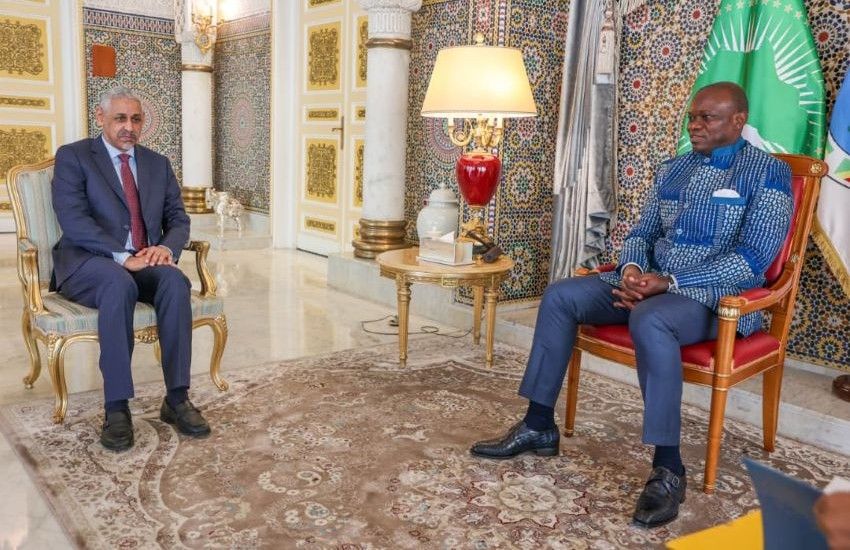
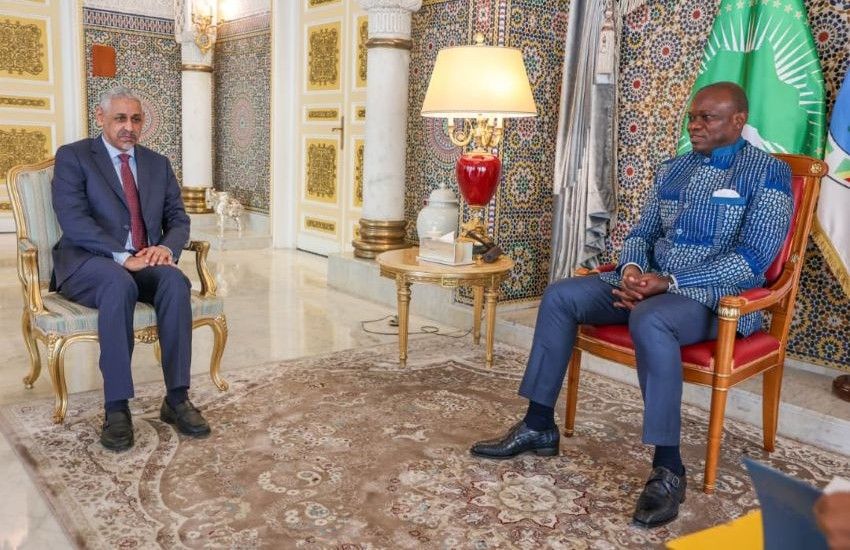
Libreville, August 15, 2026 — Gabon and the African Development Bank (AfDB) are elevating their collaboration to new heights. On Friday, August 14, 2026, the newly appointed AfDB President, Sidi Ould Tah, engaged in high-level discussions with Gabonese Head of State Brice Clotaire Oligui Nguema. These talks went beyond reviewing existing portfolios, focusing instead on accelerating tangible development outcomes.
At the heart of this strategic alignment lie two pressing priorities for Gabon’s leadership: expanding access to reliable water and electricity, and transforming the agricultural sector. These choices reflect a clear understanding that infrastructure and food security are not just economic necessities but pillars of social progress.
Water and electricity: the backbone of Gabon’s development
Prioritizing energy and water supply is a deliberate move. For Gabon, enhancing these services is vital for both economic competitiveness and public confidence. The nation’s growing demand requires upgraded production and distribution systems to prevent recurring shortages that disrupt daily life.
The AfDB has pledged to support Gabon’s vision through targeted investments in large-scale projects. Discussions highlighted the Komo River water supply project, a key initiative to bolster the country’s hydraulic infrastructure. Success here demands coordinated efforts among technical experts, financial backers, and local operators to turn available resources into sustainable public services.
This is more than infrastructure—it’s about building lasting solutions to address current deficits. The focus is on improving service quality, ensuring continuity, and widening accessibility for all citizens.
Agricultural transformation: reducing reliance on imports
Equally critical is Gabon’s push to revitalize agriculture. Importing a significant portion of its food leaves the country vulnerable to global market volatility, rising logistics costs, and supply chain disruptions.
President Oligui Nguema’s strategy involves redirecting AfDB support toward boosting local food production and achieving self-sufficiency. The goal is to strengthen agricultural value chains, empower farmers, and gradually reduce import dependency. This approach aligns with broader economic objectives: creating rural jobs, enhancing food security, and fostering domestic economic growth.
To succeed, these investments must be paired with better infrastructure, improved market access, and policies that encourage private sector participation.
From financial support to measurable impact
The Libreville meeting marks a shift in Gabon-AfDB relations. While both sides praised their strong partnership, the emphasis was on making every project count. The focus is shifting from funding volume to tangible socio-economic impact—ensuring that every franc invested delivers visible benefits to Gabonese communities.
For Gabon, the challenge now lies in translating this political will into funded, executed, and monitored projects over time. For the AfDB, the test will be proving that its interventions directly address the country’s most pressing development bottlenecks.
This new chapter centers on water, energy, and agriculture—sectors where success will be measured not by funding amounts, but by real improvements in people’s daily lives. The Gabon-AfDB partnership now stands at a critical juncture: it must deliver results that resonate with citizens who are eagerly awaiting meaningful change.