Gabon faces a decisive assessment of its integrity and governance
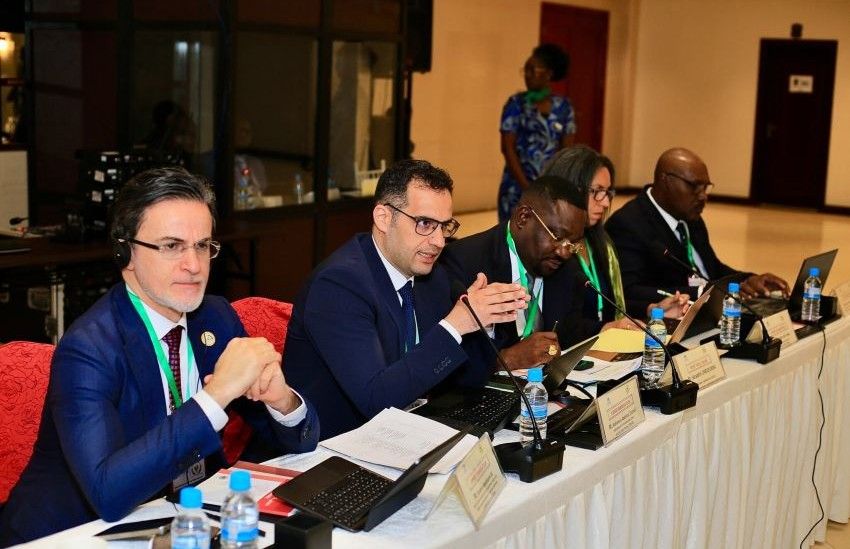
In Libreville, the fight against corruption has become a pivotal benchmark for national credibility. As international partners and citizens demand greater accountability, Gabon is currently navigating a high-stakes evaluation of its institutional transparency.
Since early this week, the capital has been hosting a specialized mission focused on the second cycle of the United Nations Convention against Corruption (UNCAC) review mechanism. While the proceedings may appear technical, the political and economic weight of this audit is significant for the nation’s future standing on the global stage.
A diverse panel of experts from the United Nations Office on Drugs and Crime, alongside specialists from Chad and Libya, are working with local institutions to examine Gabon’s defensive measures against graft. The three-day sessions are designed to scrutinize the effectiveness of national prevention strategies, financial oversight, judicial cooperation, and the recovery of misappropriated assets.
An audit that transcends diplomatic routine
The meetings, held at the Hotel Boulevard, represent a critical juncture in the modernization of public governance. The review covers the entire spectrum of anti-corruption tools, including financial traceability, inter-institutional coordination, and the legal frameworks intended to curb illicit enrichment.
Séraphin Ondoumba, a member of the National Commission for the Fight Against Corruption and Illicit Enrichment (CNLCEI), noted that this exercise provides a platform to showcase advancements while honestly addressing remaining vulnerabilities. For the visiting experts, the focus extends beyond legislation; they are evaluating the state’s ability to foster a genuine culture of public integrity and ensure the disciplined management of national wealth.
In today’s economic climate, transparency has become a primary driver of investment. International lenders and financial institutions now weigh the quality of a country’s governance as heavily as its natural resource potential.
Governance at the heart of national transformation
The discussions have highlighted the reform agenda spearheaded by President Brice Clotaire Oligui Nguema. The executive branch has prioritized the rationalization of public spending, the tightening of administrative audits, and the modernization of revenue collection as central pillars of its mandate.
Vice-President Hermann Immongault emphasized that this mission aligns with a broader strategy to solidify administrative responsibility and meet global standards. A key component of this shift is the ongoing digitalization of financial and administrative workflows, which aims to minimize opacity and secure public funds through enhanced traceability.
The evaluation also takes a close look at the internal controls within various administrations, the training programs for civil servants, and the overall operational capacity of the CNLCEI.
Institutional strength as a measure of credibility
As the mission concludes, the resulting report will serve as a barometer for Gabon’s institutional health. In an era where transparency is a prerequisite for diplomatic influence and economic competitiveness, the ability to demonstrate effective governance is essential.
Gabon appears to recognize that integrity is no longer just an ethical choice but a strategic infrastructure. Much like roads or power grids, robust institutions are vital for mobilizing the funding needed for development and maintaining investor confidence. The recommendations from this UN-led review will likely dictate the next steps in refining the nation’s governance framework, but the ultimate success will depend on the consistent application of these reforms in the years to come.

More Stories
Can Niger still call itself a state of law after jailing lawyer Abdourahamane Lirwana?
Can Benin replicate its 2023 financing success with 328 billion FCFA in 2026?
Burkina Faso: can the official narrative on four years of Ibrahim Traoré’s rule withstand scrutiny?