
An unexpected adjustment in Gabon’s revised 2025 finance law reveals a dramatic 97% reduction in mining sector corporate tax revenues, plummeting from 53.2 billion to just 1.47 billion FCFA. This unprecedented cut, unmatched across other taxpayer categories, translates to a staggering loss of 51.8 billion FCFA—nearly 80 million euros—in potential state income from a single fiscal stream.
Budget revision clashes with Gabon’s post-oil mining ambitions
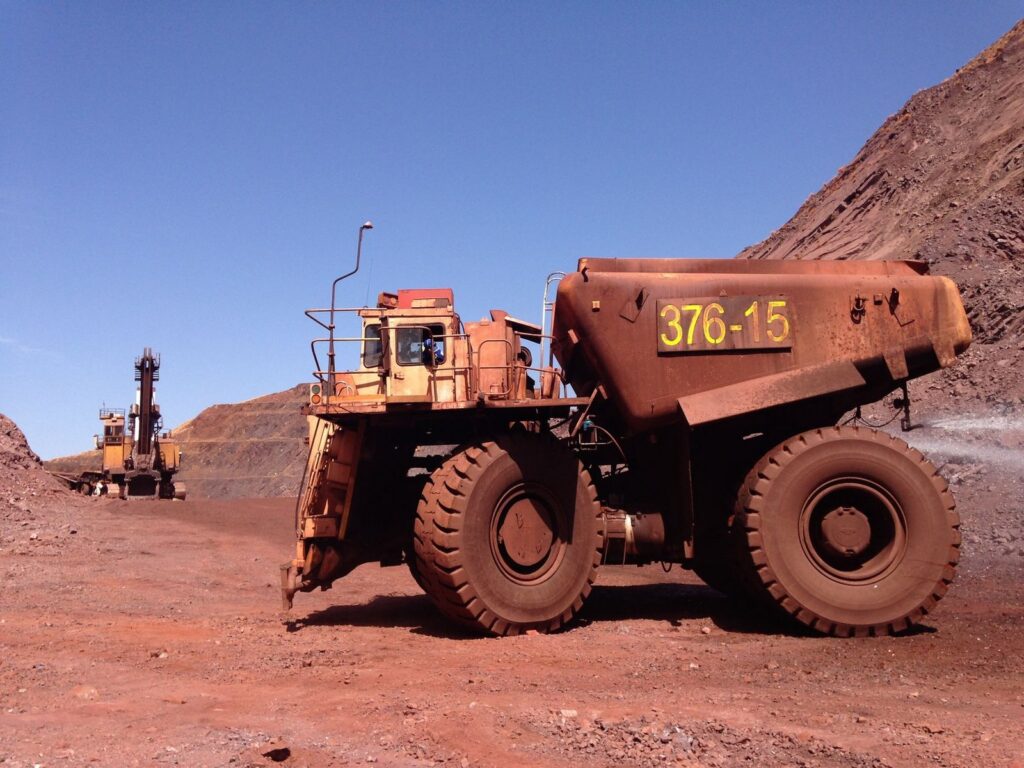
Manganese, alongside timber and oil, ranks among Gabon’s top foreign exchange earners, with the country holding the world’s second-largest reserves. Extraction centers in the Haut-Ogooué region, spearheaded by Comilog (a subsidiary of French giant Eramet) and Nouvelle Gabon Mining, have long been critical to Libreville’s economic diversification strategy since the decline of its petroleum sector. Yet the latest fiscal revision starkly contradicts recent pledges by the Committee for the Transition and Restoration of Institutions (CTRI) to bolster mining revenue collection through stricter tax regimes.
The abrupt tax reduction coincides with a sharp international manganese price correction that began in late 2024, following supply disruptions from an Australian mine fire earlier that year. While declining prices have squeezed operator profit margins and naturally reduced taxable income, the glaring discrepancy between projected and actual revenue raises questions about the initial budget’s forecasting accuracy.
Extractive transparency under scrutiny amid fiscal concessions
The timing of this revenue sacrifice is particularly sensitive, as Gabon re-engages with the Extractive Industries Transparency Initiative (EITI) after years of absence. The 51.8 billion FCFA shortfall would cover several months of civil service salaries in key ministries, placing additional strain on Libreville’s already tight budgetary position. This comes as the transitional government negotiates a new IMF support package amid liquidity constraints and growing reliance on regional BEAC credit markets to meet monthly obligations.
Local analysts highlight a troubling disconnect between public commitments to renegotiate mining and oil agreements for fairer fiscal terms and the actual outcome reflected in the revised budget. Since late 2023, officials had vowed to review all extractive sector contracts to eliminate unfavorable clauses. Yet by 2025, mining corporate tax collections stand at a mere 3% of original projections, with no official explanation provided for the assumptions behind this drastic revision.
Mixed signals for investors and future fiscal policy
With Gabon preparing its multi-year budget framework and facing tough choices between infrastructure investments and deficit control, this revenue shortfall forces immediate fiscal adjustments—either through spending cuts or increased domestic borrowing. Multilateral lenders will closely scrutinize how the transitional government justifies this deviation when presenting the revised budget to parliament.
For mining operators, the tax reduction offers temporary relief in a low-price environment but fuels political uncertainty over resource revenue sharing. The upcoming 2026 finance law, expected this fall, must clarify whether this adjustment is a temporary anomaly or signals a permanent shift in Gabon’s mining fiscal strategy.




More Stories
Niger : ce que les remaniements militaires disent des tensions au sommet du pouvoir
Togo’s enduring power question: Faure Gnassingbé and the shifting architecture of rule
Educational decay overshadows symbolic cartography in Togo