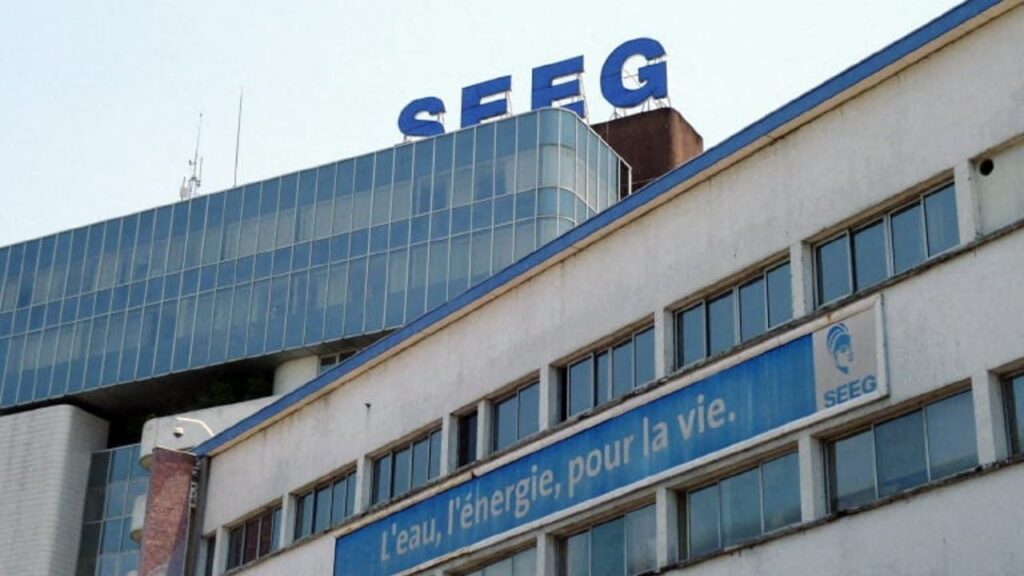
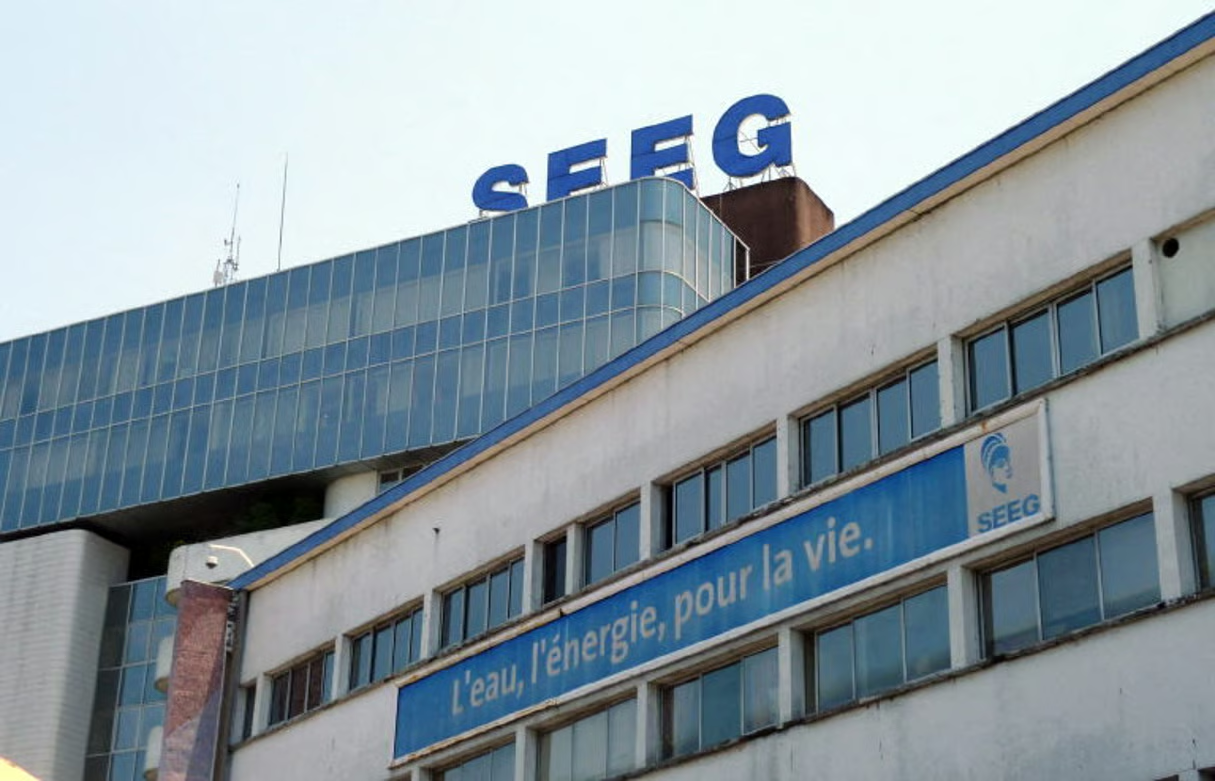
Gabon’s transitional leadership has taken decisive steps to overhaul the country’s primary energy and water utility, the Société d’énergie et d’eau du Gabon (SEEG), marking a significant shift in national infrastructure management.
Leadership changes at Gabon’s energy giant
Under the direction of Brice Clotaire Oligui Nguema, the SEEG is undergoing a comprehensive restructuring process. This initiative aims to modernize operations and enhance service delivery across Gabon’s energy and water sectors. The move follows a broader national strategy to revitalize critical utilities after recent political transitions.
Key objectives of the restructuring
The reform focuses on several critical areas:
- Operational efficiency: Streamlining processes to reduce waste and improve service quality
- Financial transparency: Implementing stricter fiscal controls and accountability measures
- Infrastructure upgrades: Investing in new technologies to bolster energy and water distribution networks
- Governance overhaul: Strengthening regulatory frameworks to ensure sustainable management
These changes signal Gabon’s commitment to strengthening its utilities sector, which plays a vital role in the nation’s economic development and social stability.
Impact on Gabon’s energy landscape
The restructuring of SEEG is expected to have far-reaching effects on Gabon’s energy and water supply systems. By prioritizing efficiency and transparency, the initiative aims to create a more resilient infrastructure capable of meeting the growing demands of Gabon’s urban and rural communities alike.
Industry analysts anticipate that the reforms will attract increased investment, fostering innovation and competition within the sector. This could lead to improved pricing structures and enhanced service reliability for consumers nationwide.
The transformation of SEEG reflects Gabon’s broader economic agenda, emphasizing sustainable resource management and long-term growth. As the country navigates its post-transition phase, these reforms position Gabon as a model for progressive utilities management in Central Africa.