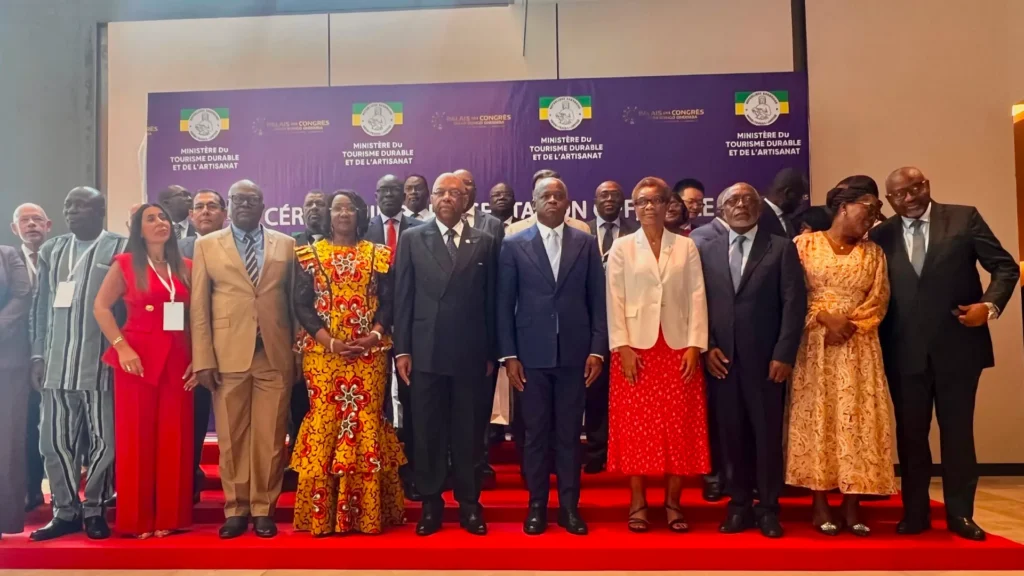
On June 29, 2026, in the heart of Libreville, the government unveiled its National Strategy for the Valorization of Sustainable Tourism and Crafts. This initiative marks a decisive step toward economic diversification, aiming to transition the country away from oil dependency and establish Gabon as a premier global travel destination.
On paper, Gabon possesses all the necessary attributes to lead the African ecotourism sector. With nearly 88% of its land blanketed by equatorial forests, a coastline stretching 800 kilometers, and a network of 13 national parks, its natural resources are truly exceptional.
From the wild fauna of Loango to the majestic landscapes of Ivindo, the potential to attract international travelers seeking untouched nature is boundless. Furthermore, the nation’s status as an environmental pioneer—underpinned by its commitment to green and blue bonds—provides the credibility needed to secure international financing.
The reality check: Persistent structural hurdles
Transforming this natural jewel into a profitable and organized industry requires overcoming significant obstacles. The first major hurdle is infrastructure. Currently, reaching iconic locations such as Lambaréné, Mayumba, or La Lopé is often an arduous journey. The state of the inland road network remains the primary barrier to the sector’s development.
Pricing also poses a significant challenge. Due to the high cost of international flights, expensive internal logistics, and a lack of affordable domestic travel options, Gabon remains a high-end destination restricted to a very selective niche market.
Finally, the human element is crucial. High-end tourism demands international standards in hospitality, service, and the promotion of local crafts. This necessitates a massive and sustained investment in professional training—a task that requires more than just official decrees.
From strategy to implementation: The ultimate test
While Gabon undeniably has the natural assets to match its ambitions, it must now urgently build the logistical and human foundations to make them viable. To ensure this new vision does not fade away like previous plans, the state must prioritize concrete execution over mere communication.
Success will depend on establishing attractive public-private partnerships capable of funding roads and accommodations while structuring local expertise. If action finally aligns with strategy, ecotourism could very well become the economic engine of the post-oil era.