The recent capital increase of Eramet, which saw Gabon acquire a significant stake, is now the center of an unexpected political debate in Paris. A formal inquiry submitted on June 30, 2026, by Member of Parliament Arnaud Le Gall, challenges the official narrative surrounding this financial move. While the operation was framed as a step toward nationalizing mining interests, the lawmaker suggests it may actually serve as a financial lifeline for the Duval family, the primary shareholders of the group via the Société de Développement et de Participations Minières et Industrielles (SDPMI).
Questioning the official narrative
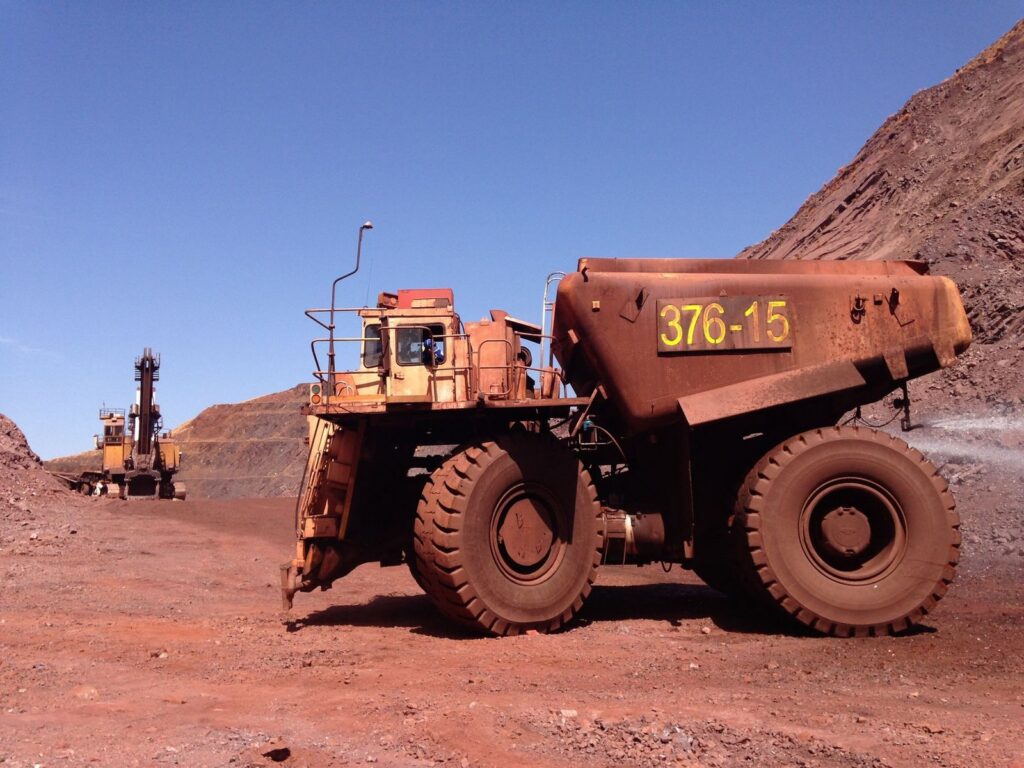
Authorities in Libreville originally presented the deal as a major strategic victory. As the world’s leading producer of manganese through Comilog—a long-standing subsidiary of the Eramet group—Gabon viewed this entry into the parent company’s capital as a way to secure a larger share of mining profits and gain a seat at the decision-making table. This move aligns with a broader national policy to reclaim control over strategic resources, a shift already seen in recent updates to the mining code and the state’s increased presence in various industrial sectors.
However, Arnaud Le Gall offers a different interpretation. He argues that what is being marketed as a gain in sovereignty for an African nation is primarily a rescue mission for struggling French shareholders. The Duval family has reportedly faced significant financial pressure within its holdings. By bringing in a foreign sovereign investor, the group can stabilize its ownership structure without a drastic dilution of the family’s historical influence.
The strategic importance of Gabonese manganese
The industrial stakes are immense. Gabon is the engine of Eramet‘s financial performance, with manganese exports fueling global steel production and the emerging battery supply chain. Furthermore, the group is expanding into critical minerals like nickel and lithium, which are essential for the global energy transition. This heavy reliance on Gabonese soil creates a notable imbalance: while Libreville provides the raw material, the high-level strategy and added value remain concentrated in Europe.
The equity stake in the Paris-based holding company was intended to bridge this gap. The parliamentary inquiry now seeks to uncover the exact terms of this arrangement. Le Gall is demanding transparency regarding the financial conditions, the specific governance rights granted to Gabon, and whether the French government played a role in facilitating the deal. He is calling for the executive branch in Paris to clarify if public interests were involved in the transaction.
A shifting economic dynamic
This controversy highlights a broader evolution in the economic ties between France and Gabon. Since the recent political transition in Libreville, the new leadership has shown a clear intent to renegotiate historical agreements in both the mining and oil sectors. Many French corporations with long-standing operations in the country are finding their positions being re-evaluated. The Eramet case is unique, however, because it features an African state injecting capital into a French major, rather than the traditional flow of investment.
This reversal of roles is precisely why the deal has become so contentious. Supporters see it as the rise of African sovereign wealth, capable of influencing the boardrooms of European industrial giants. Critics, including Arnaud Le Gall, question the financial logic and the ultimate benefit for Gabon‘s public finances. The French government is expected to provide a formal response, which may finally shed light on the more opaque details of this major industrial realignment.