
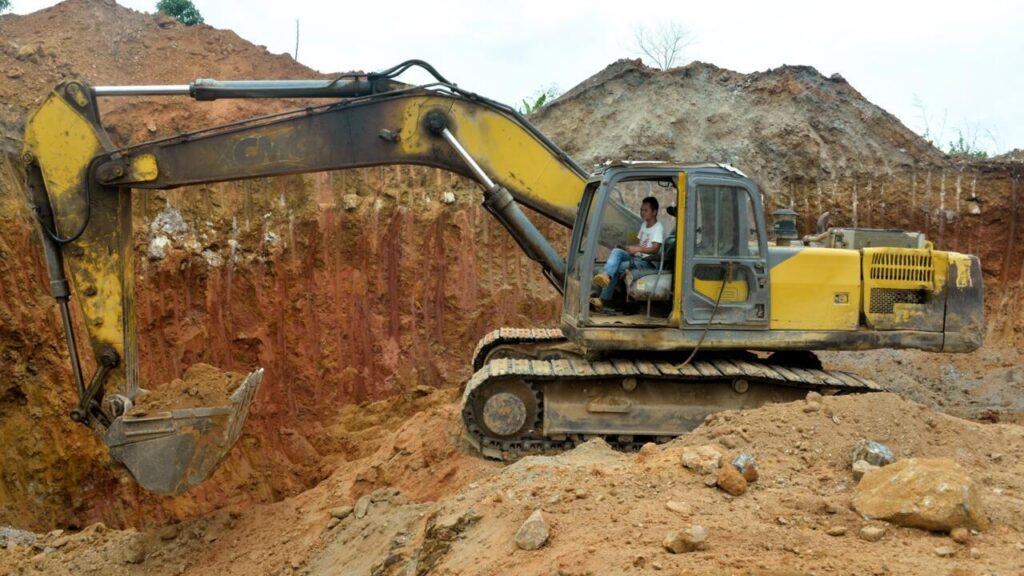
Across Cameroon and the Democratic Republic of Congo, the gold mining sector is under increasing scrutiny as gaps persist in revenue transparency and regulatory oversight. Recent findings from the Institute for Security Studies (ISS) highlight these shortcomings, revealing a stark disparity between declared exports and actual production volumes.
According to the Extractive Industries Transparency Initiative (EITI), Cameroon reported exporting just 22 kilograms of gold in 2023. Yet, importers documented purchases totaling 15 metric tons during the same period. This discrepancy underscores the challenges in tracking the true scale of gold mining operations and ensuring that revenues reach state coffers.
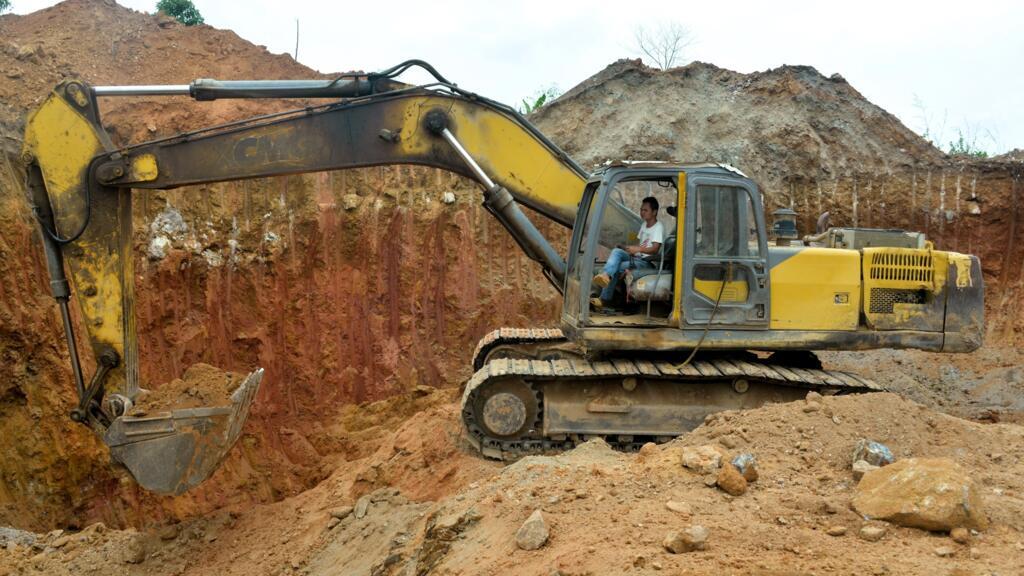
Accountability gaps in gold mining operations
Professor Aïcha Pemboura, a researcher at the Observatory on Organized Crime and Violence in Central Africa under the ISS, emphasizes the urgent need for both domestic and international mining operators to prioritize transparency. In a recent discussion, she pointed out that current measures to regulate the sector remain inadequate, leaving significant revenue unaccounted for.
The lack of oversight is particularly concerning given the economic potential of gold mining in both countries. Cameroon and the DR Congo possess vast untapped mineral resources, yet the benefits are not being fully realized due to systemic inefficiencies and corruption risks.
Challenges in revenue tracking and regulatory enforcement
Several key challenges contribute to the transparency issues in the gold mining sector:
- Inconsistent reporting: Discrepancies between declared exports and documented imports reveal gaps in regulatory enforcement.
- Weak governance: Insufficient oversight mechanisms allow for revenue leakage and undermine public trust.
- Corruption risks: The involvement of both national and foreign operators increases the potential for illicit financial flows.
- Limited infrastructure: Remote mining sites often lack the necessary monitoring and reporting tools.
These issues highlight the need for stronger regulatory frameworks and enhanced collaboration between governments, mining companies, and civil society organizations.
As gold continues to play a critical role in the economies of Cameroon and the DR Congo, addressing these challenges will be essential to ensuring sustainable development and equitable revenue distribution.



More Stories
Niger : ce que les remaniements militaires disent des tensions au sommet du pouvoir
Togo’s enduring power question: Faure Gnassingbé and the shifting architecture of rule
Educational decay overshadows symbolic cartography in Togo