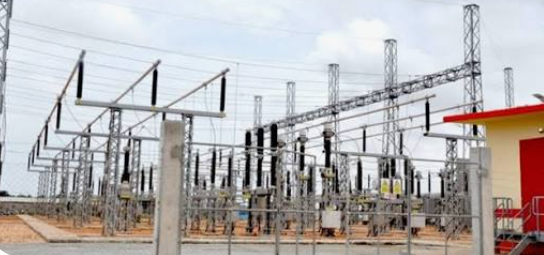
Recent power fluctuations have been observed across the CEB community, primarily driven by falling water levels in regional dams. This natural challenge was further complicated by a major fire on April 23 at an installation connected to the Akosombo dam in Ghana, which stripped a significant portion of power from the regional network. However, while Bénin might have faced a total blackout in previous years, the strategic investments made by the Talon administration—specifically the Maria-Gléta 2 power plant—are currently keeping the nation electrified and preventing a widespread energy collapse.
A significant energy deficit from Ghana
The West African power grid is currently under immense pressure. According to authorities in Ghana, the recent fire resulted in a massive deficit of nearly 1,000 MW. In an urgent bid to stabilize its own domestic supply, Accra took the difficult step of halting electricity exports to its neighbors: Burkina Faso, Togo, and Bénin.
For Cotonou, this sudden cessation of supply serves as a critical endurance test. Although SBEE customers have inevitably experienced some disruptions, the overall situation confirms that a total catastrophe has been avoided thanks to long-term planning and foresight.
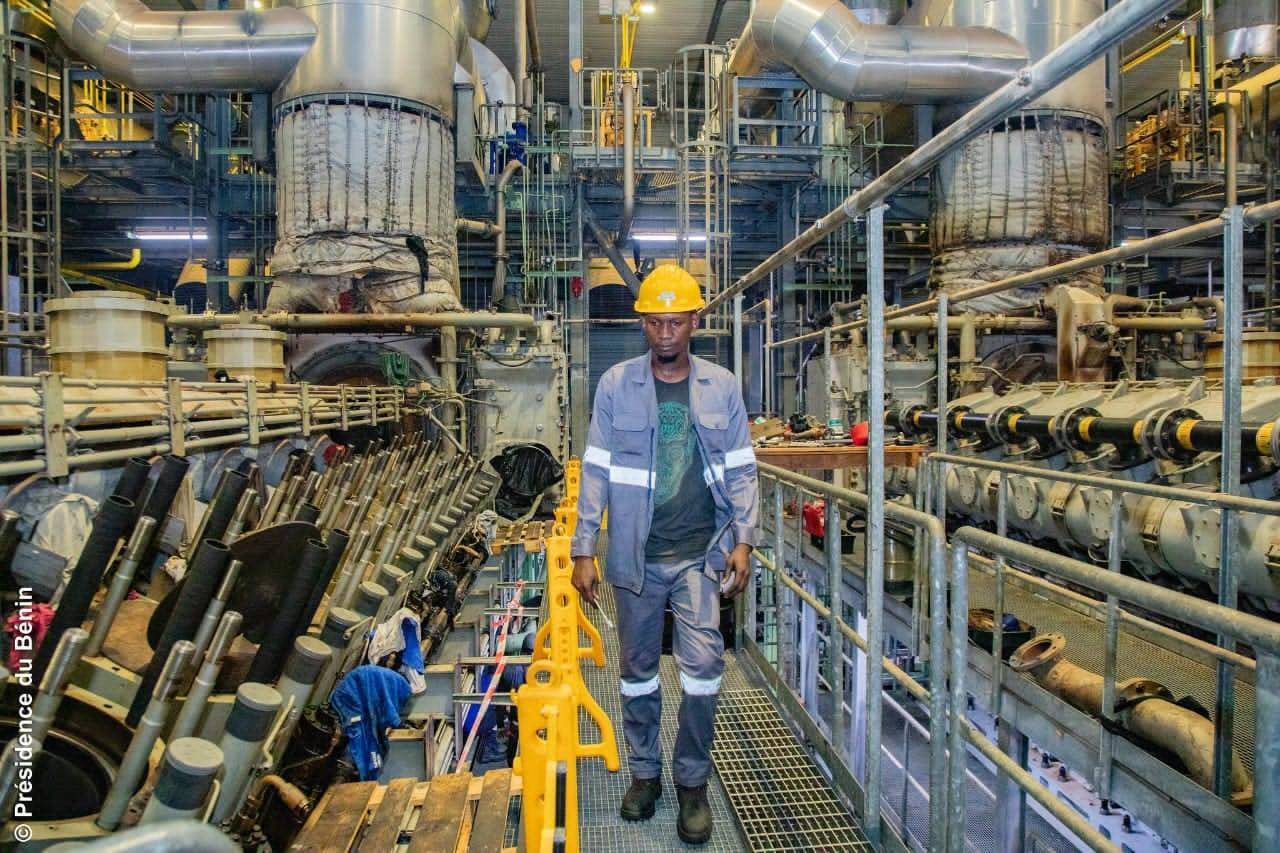
Maria-Gléta 2: The essential energy buffer
The fact that Bénin remains resilient today is not a matter of luck, but the result of a political vision manifested in concrete and turbines. In the past, such a failure from a Ghanaian supplier would have brought the national economy to a standstill and left households in darkness for weeks.
Today, the Maria-Gléta 2 thermal power plant, a flagship project of the Government’s Action Program (PAG), is fulfilling its role as a protector. This strategic infrastructure is currently operating at maximum capacity to fill the void left by the lack of imports. As the nation’s “energy lung,” it absorbs the impact, turning what could have been a national disaster into a manageable technical challenge.
“Every megawatt generated on Béninese soil represents a victory for our sovereignty and a guarantee of comfort for our citizens.”
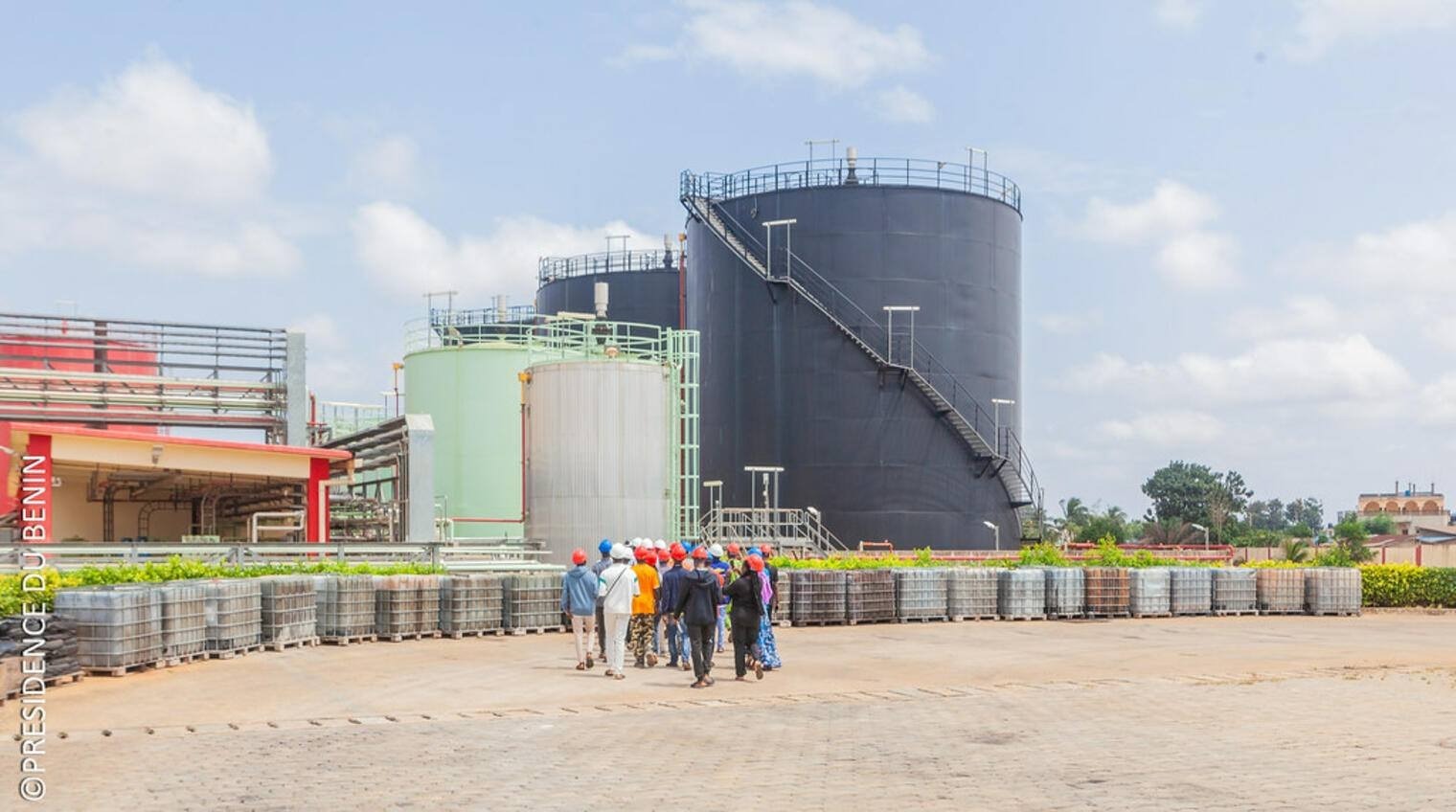
The path toward full energy autonomy
The government led by Patrice Talon does not intend to remain perpetually vulnerable to the fluctuations of neighboring grids. Recognizing that a nation’s strength lies in its energy independence, the executive branch is accelerating its efforts. The strategy is straightforward: upgrade distribution networks while diversifying production sources, particularly through new solar energy initiatives.
The ultimate goal is clear: total autonomy. By strengthening domestic thermal capacities, Bénin is ensuring that its industrial growth and the daily lives of its people are no longer dependent on technical incidents occurring across the border.
Resilience confirms past strategic choices
The sporadic outages seen recently serve as a reminder that regional dependence, though decreasing, still exists. Nevertheless, the current climate proves beyond doubt the value of the massive investments initiated since 2016. By constructing Maria-Gléta, the government has provided Bénin with unprecedented resilience. The direction is set: energy independence is no longer a distant aspiration but a reality currently under construction.