Human rights violations in DRC: contrasting realities between Kinshasa and eastern provinces
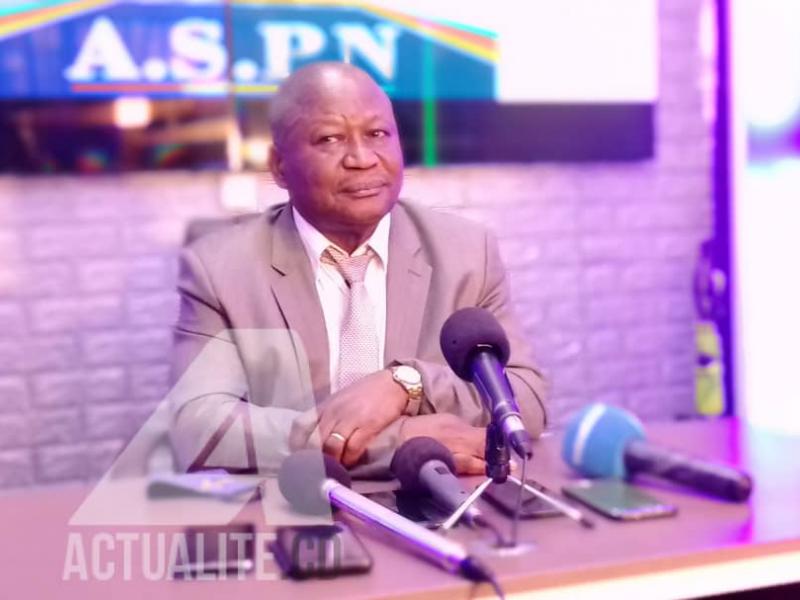
The human rights situation in the Democratic Republic of Congo (DRC) presents stark contrasts between the capital, Kinshasa, and the eastern provinces, according to the President of the National Human Rights Commission (CNDH), Paul Nsapu. Speaking during a live debate, he highlighted both legislative progress and alarming regional disparities in the protection of fundamental rights.
Structural violations in Kinshasa: a legacy of systemic neglect
In Kinshasa and other areas under central government control, Paul Nsapu identified a pattern of structural human rights violations that have persisted through successive regimes. These include:
- Restrictions on civil and political rights
- Denial of economic and social rights, such as access to employment, healthcare, and education
- Chronic underdevelopment and poor living conditions for the population
The CNDH President attributed these issues to decades of systemic neglect, where governance failures have compounded the challenges faced by ordinary citizens.
Eastern DRC: where fundamental rights are most under threat
The situation in the eastern provinces—particularly in North Kivu, South Kivu, and parts of Ituri—is far more dire. According to Paul Nsapu, this region is experiencing what he terms the “hard core” of human rights abuses, where the most basic rights are routinely violated:
- The right to life, with frequent attacks and killings
- The right to security, amid ongoing armed conflicts
- Freedom of movement and expression, severely restricted by insecurity
He specifically pointed to the presence of foreign armed groups, including Rwandan military forces and their local allies, as a major aggravating factor. Their activities have contributed to a climate of instability where state authority is weak or nonexistent.
International implications and regional tensions
The CNDH President also raised concerns about the broader regional impact of the crisis in eastern DRC. The involvement of neighboring countries and armed factions has turned the region into a hotspot of violence, further complicating efforts to restore peace and protect human rights.
His remarks underscore the urgent need for coordinated action to address the root causes of instability and ensure the protection of all citizens, regardless of their location within the DRC.