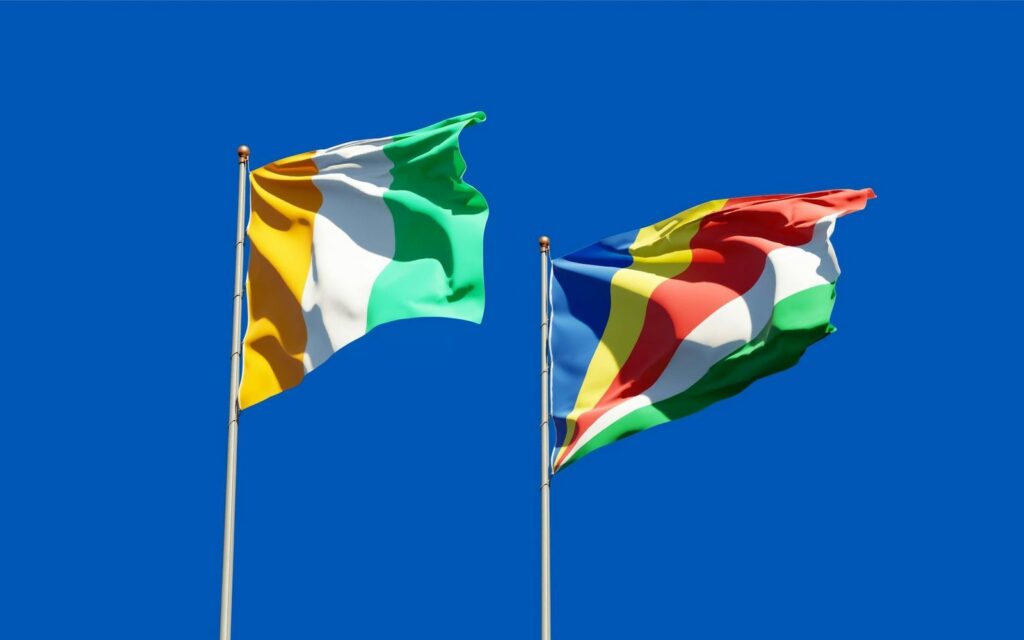
The Ivory Coast presidential election unfolded under tight security measures and an atmosphere of heightened tension, yet concluded without any significant disturbances reported from polling stations across the nation. From the economic hub of Abidjan to regional centers, voters cast their ballots in a calmly monitored environment, defying pre-election predictions of potential communal clashes or post-voting unrest.
High-stakes vote tests Ivory Coast’s democratic resilience
This election took place against a backdrop of intense scrutiny, with the country—West Africa’s largest economy—still grappling with the legacy of violent postelection crises in 2010–2011 and the unrest that accompanied the 2020 vote. Political observers, civil society groups, and international partners had warned of possible flare-ups, particularly in urban areas known for political volatility. The campaign period saw sharp rhetorical exchanges and isolated protests, deepening mistrust between ruling and opposition factions.
The deployment of national defense and security forces, alongside domestic and international observation teams, played a pivotal role in maintaining order. Authorities intensified public appeals for restraint, while political leaders urged their supporters to avoid provocative actions. This coordinated effort appeared effective in preventing escalation during and immediately after polling.
Voter turnout closely monitored as results process begins
While the voting phase concluded peacefully, attention now shifts to the vote-counting and result consolidation process—a phase historically prone to disputes and potential unrest. The Independent Electoral Commission (CEI) faces the critical task of delivering transparent and credible outcomes; failure to do so could reignite tensions and complicate postelection stability.
Diplomatic missions in Abidjan, including key Western and African embassies, are closely tracking developments. For Ivory Coast, the stakes extend beyond national borders. As a regional anchor in West Africa, its electoral process carries implications for a wider area troubled by constitutional upheavals in the Sahel and shifting diplomatic alignments among neighboring capitals.
Regional implications hinge on peaceful transition
The election’s outcome holds significance far beyond Ivory Coast’s borders. In a subregion where several nations have experienced military takeovers in recent years, the conduct of a competitive and violence-free vote sends a powerful message about democratic continuity. International investors, whose confidence influences the country’s economic trajectory, are closely assessing the integrity of the process and the durability of its institutions.
Yet the most critical phase is just beginning. The official declaration of results, their acceptance by defeated candidates, and the handling of legal challenges before the Constitutional Council will serve as true litmus tests for the country’s democratic maturity. Regional precedents—from Senegal to Guinea-Bissau—have demonstrated how quickly postelection dynamics can deteriorate.
Over the coming days, Ivory Coast will face a defining moment: whether it can solidify its reputation as a bastion of stability amid the political turbulence reshaping West Africa. The calm observed on Election Day is a fragile achievement—one that will only hold if institutions demonstrate the capacity to resolve disputes with fairness and resolve.