Demanding accountability: war crimes in the Democratic Republic of Congo
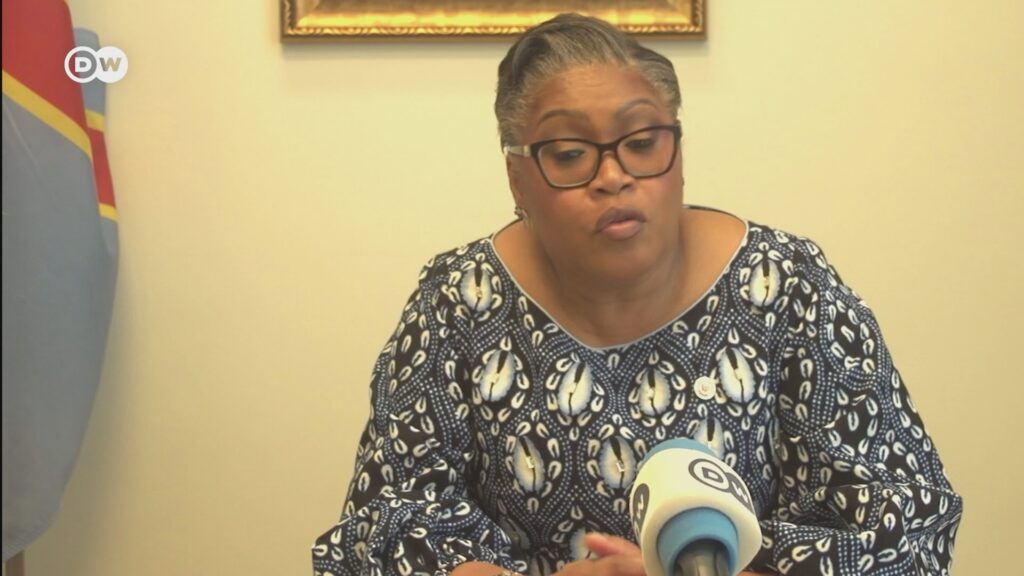
During an official visit to New York to assume the rotating presidency of the United Nations Security Council, Congolese Prime Minister Judith Suminwa outlined the Democratic Republic of Congo’s (DRC) key priorities in international peace, security, and justice. Addressing both global and domestic challenges, she underscored the country’s unwavering commitment to democratic principles and the rule of law.
Upholding democratic values amid political tensions
In response to opposition-led protests against proposed constitutional amendments, Prime Minister Suminwa delivered a balanced message. “The DRC is a democratic nation,” she stated, affirming that peaceful demonstrations remain a constitutional right—as long as they comply with legal frameworks. She emphasized that while freedom of expression is guaranteed, it must be exercised responsibly to maintain national cohesion and stability.
Protecting civilians as a global imperative
The DRC’s agenda at the UN prioritizes the protection of civilians in conflict zones, a critical issue amid escalating humanitarian crises worldwide. Prime Minister Suminwa called for tangible actions rather than symbolic resolutions, highlighting the urgent need to safeguard vulnerable populations, including women, children, and survivors of sexual violence.
She stressed that protecting civilians requires more than declarations—it demands concrete implementation on the ground, with international support to ensure lasting peace and stability.
Sexual violence as a weapon of war
One of the most pressing concerns raised by the Prime Minister was the systematic use of sexual violence as a wartime tactic. She condemned this practice, widely documented in conflict zones, and urged the Security Council to integrate protections for survivors into peace negotiation frameworks.
Beyond condemnation, she advocated for structural measures: ensuring justice for victims, enforcing reparations, and holding perpetrators accountable. “No actor responsible for war crimes should evade punishment,” she declared, calling for a robust and impartial judicial system.
Strengthening public health in crisis zones
In addition to security concerns, Prime Minister Suminwa addressed the ongoing Ebola outbreak in the DRC. She highlighted the international community’s pledge of nearly $1 billion in funding, while stressing the importance of timely disbursement to prevent further spread.
The Congolese government has contributed $50 million to the response effort, with funds allocated to research, healthcare infrastructure, and coordination through the Institut National de Recherche Biomédicale (INRB). She warned that without effective management, the epidemic could exacerbate existing humanitarian challenges, particularly for marginalized communities.
The Prime Minister concluded by reiterating that addressing Ebola requires a holistic approach—one that balances medical intervention with social and economic resilience to protect the most vulnerable.