Progress and challenges in achieving gender parity across Africa
Since the early 2000s, African nations have been actively introducing legislation to promote gender parity, particularly in political representation. Approaches vary widely—some countries enforce strict quotas on electoral lists, while others mandate reserved seats for women in legislative bodies. The Sénégal and Tchad stand out as key examples of this evolving landscape.
Sénégal’s gender parity law: progress and limitations
The Sénégal enacted its gender parity law in 2010, requiring balanced gender representation on electoral lists for multiple election types. This legislation has significantly increased female participation in the National Assembly and local councils. However, the law does not extend to government appointments, which remain at the discretion of the President of the Republic and the Prime Minister. As a result, female representation in government depends entirely on political will.
Tchad’s bold strides toward gender equality
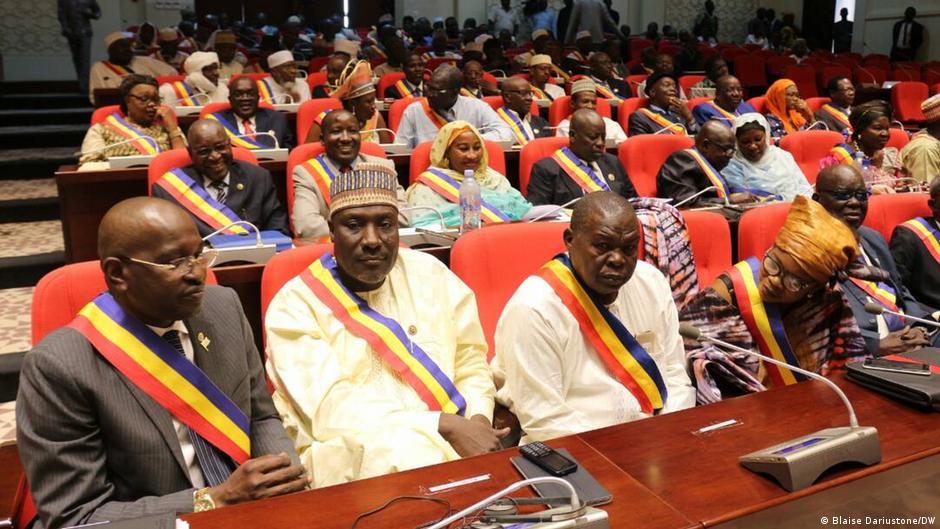
In contrast to Sénégal, Tchad took a more comprehensive approach with an ordinance in 2018 mandating gender parity in both elected and appointed roles. A 2021 decree further clarified this goal, ensuring “equal access for women and men to decision-making positions in elected and appointed roles.” The law sets a minimum 30% quota for women in appointed positions, including government, major institutions, and central and local administrations.
Recent electoral reforms also introduced mandatory mechanisms to boost female presence on electoral lists. These measures have yielded tangible results: following the 2024–2025 elections, women now make up 34% of the National Assembly, with 64 female deputies out of 188 total seats. As of April 1, 2026, the reshuffled government includes 12 women among its 37 members—approximately 32% female representation.
While these advancements are encouraging, true gender equality remains elusive. Women continue to face barriers in accessing decision-making roles across sectors, and deep-rooted social, economic, and cultural challenges persist.