key insights from Senegal’s new government lineup
President Bassirou Diomaye Faye unveiled the composition of the new cabinet on Monday evening, marking a significant shift in governance just ten days after dismissing former Prime Minister Ousmane Sonko. The reshuffled team now faces the monumental task of steering the nation through economic turbulence, particularly as it grapples with a crushing debt burden and steadfastly resists restructuring.
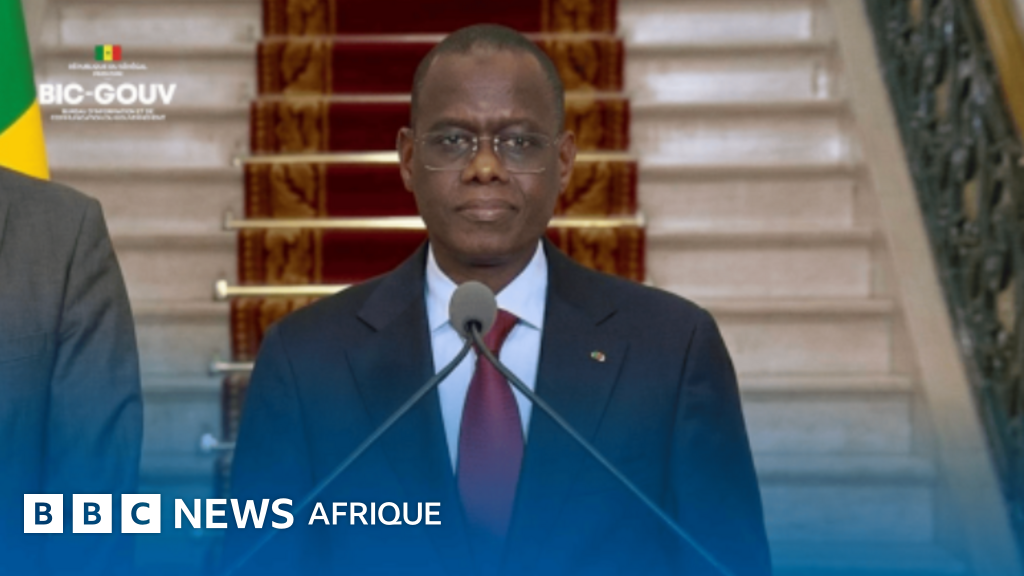
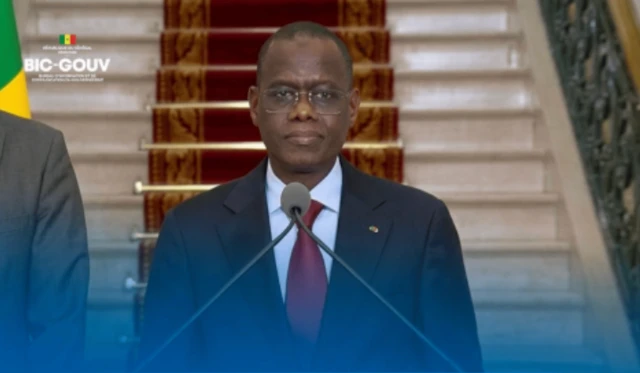
The new administration, led by Prime Minister Ahmadou Al Amine Mohamed Lo, comprises 30 members: 26 ministers and four deputy ministers. Notably, only four women have been appointed, with none holding key sovereignty portfolios.
The Patriotic Africans of Senegal for Work, Ethics and Fraternity (PASTEF) party has openly boycotted the new government, citing profound disagreements with President Faye. This stance complicates the political landscape, especially as the ruling coalition lacks a parliamentary majority—an unprecedented challenge for the administration.
no parliamentary majority: a fragile foundation
Hours before the cabinet list was announced, PASTEF reiterated its refusal to participate, citing deep-seated differences with the administration. The party’s absence is palpable, with several high-profile members—including former ministers of Energy, Justice, Culture, Family, Sports, and Public Service—stepping down in solidarity.
Despite PASTEF’s boycott, the new government retains some former party members, such as:
- Balla Moussa Fofana as Minister of Urban Planning
- Yancoba Diémé, now leading the Defense portfolio
- Ibrahima Sy, retained as Health Minister
- Cheikh Diba, whose responsibilities expand to include Economy and Planning
Meanwhile, PASTEF-aligned figures resurfacing in the new cabinet include Cheikh Tidiane Dieye (Sanitation), Déthie Fall (Infrastructure), Moustapha Guirassy (National Education), and Mamadou Lamine Dianté (Public Service).
The Diomaye Coalition secures six ministerial positions, with El Hadj Abdourahmane Diouf, a vocal opponent of PASTEF, appointed to the critical Energy and Petroleum portfolio. Lawyer Me Moussa Sarr takes over as Justice Minister.
gender imbalance: a persistent gap
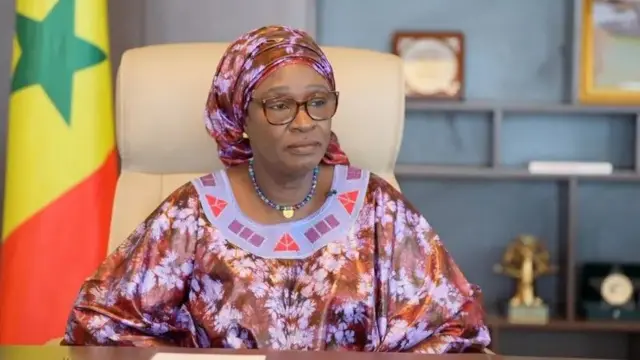
The cabinet’s gender distribution remains stark: just four women among 30 members, compared to five in the outgoing team. Three hold full ministerial roles, while one serves as a deputy minister. The appointees include:
- Marie Angélique Mame Selbé Diouf (Family, Social Action and Solidarity)
- Djirèye Clotilde Coly (Sports and Youth)
- Ami Mara (Fisheries and Maritime Economy)
- Mame Coumba Diop (Culture and Creative Industries, attached to the Culture portfolio)
Women’s rights advocates have criticized this imbalance, arguing it fails to reflect the demographic weight and expertise of Senegalese women. Dr. Coumba Mar Gadio of the African Women Leaders Network (AWLN) Senegal chapter emphasized that several strategic sectors could benefit from their leadership.
Senegal’s 2010 parity law, designed to ensure women’s equal participation in decision-making, applies exclusively to elected positions—leaving little recourse for appointments.
debt crisis and IMF negotiations: a high-stakes balancing act
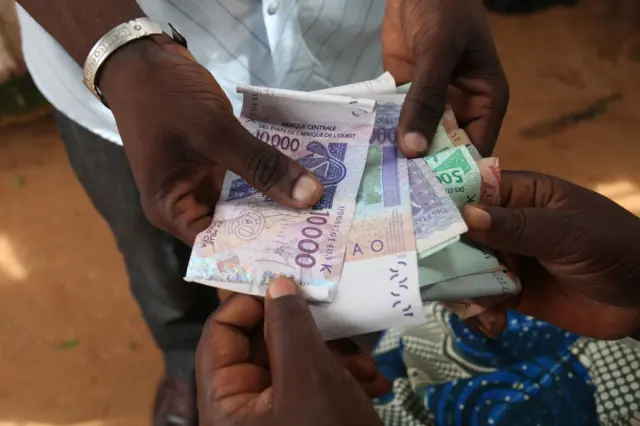
Senegal’s debt crisis looms large, with hidden obligations exceeding $7 billion. The government has thus far resisted restructuring, a stance that has fueled tensions between President Faye and former Prime Minister Sonko.
Amath Ndiaye, economist at the Université Cheikh Anta Diop, suggests the new administration may adopt a more pragmatic approach to debt management. He highlights the need for an IMF agreement to reprofile the debt, warning of potential social unrest if economic conditions deteriorate further. With growth projections for 2026 hovering between 2.2% and 2.5%, the stakes are high.
Ndiaye notes the administration’s shift toward negotiations with a fresh mindset, contrasting this with the previous government’s restrictive interpretation of sovereignty. However, the administration faces a dilemma: securing IMF support may require compromises on subsidies and public services, while public demands for economic relief grow louder.
unprecedented political dynamics: a test for institutions
Moussa Diaw, political science professor at the Université Gaston Berger, describes the current situation as unprecedented. The rift between the legislative majority and the presidency—both originally backed by the same party—has created a unique cohabitation scenario.
Diaw traces the origins of this divide to differing visions on accountability, debt resolution, and justice for victims of the 2021–2024 protests. He warns that the absence of consensus could trigger institutional paralysis, emphasizing the need for both institutions to prioritize national interests over political ambitions.
The new cabinet’s limited maneuverability stems from its lack of a parliamentary majority. Diaw stresses that Prime Minister Lo must navigate carefully to avoid conflicts, as the legislature—dominated by PASTEF—holds significant power to block initiatives.
constitutional clarity: the path to stability
Diaw underscores the importance of adhering to constitutional roles. He calls for both the presidency and the National Assembly to exercise their prerogatives responsibly, with a shared commitment to Senegal’s stability. This approach, he argues, could prevent institutional crises amid economic hardship.
He advocates for patriotic collaboration, urging both President Faye and Assembly President Sonko to rise above partisan divides. Only through concerted efforts can Senegal avoid the pitfalls of political gridlock and prioritize its long-term prosperity.