Libreville’s coastal revival: a new urban and economic vision
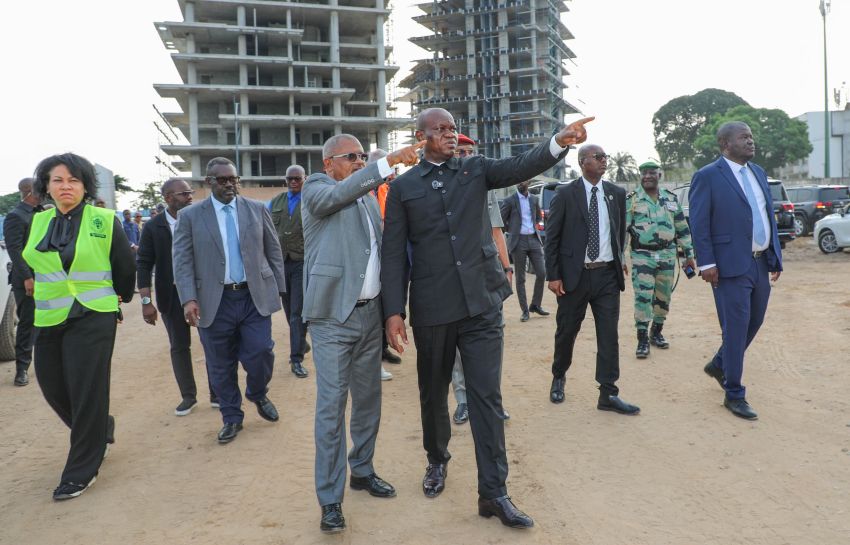
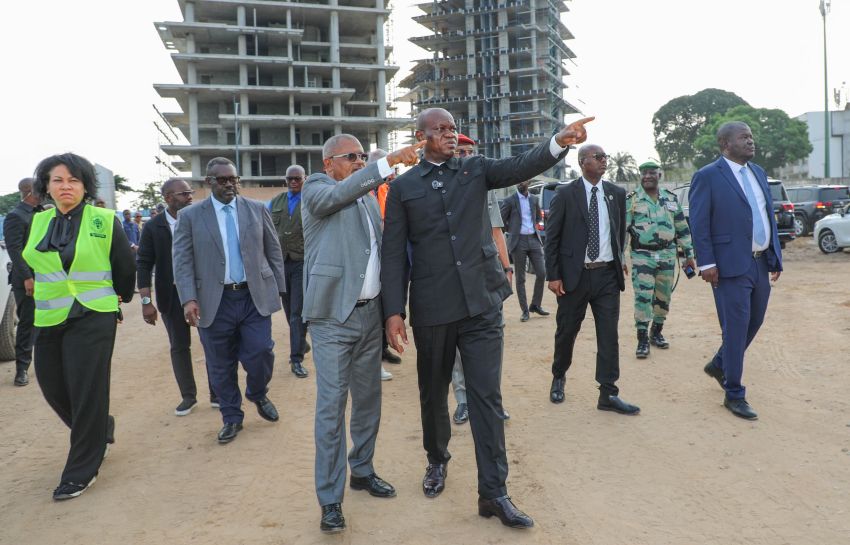
Libreville, June 11, 2026 – President Brice Clotaire Oligui Nguema’s recent visit to the coastal development sites marks a turning point in Gabon’s urban transformation. The head of state confirmed his commitment to turning Libreville’s waterfront into a driver of economic growth and urban renewal.
The development of a nation’s capital often reflects its broader ambitions. In Libreville, the coastline is emerging as the most tangible embodiment of this vision. Just hours after launching a fleet of 200 new taxis, the President inspected key projects along the waterfront, demonstrating a governance approach rooted in hands-on oversight of major initiatives.
Modernizing the capital through strategic infrastructure
The first stop was the Gué-Gué Bridge area, where a sleek new building is rising to house offices and residential units. Developed by Mika Service under Alain-Claude Kouakoua’s leadership, this project aligns with Libreville’s broader push to modernize its urban landscape.
More than just a building, this structure symbolizes a shift in how the city plans for the future. Libreville is no longer content with addressing immediate needs—it’s actively shaping its destiny by creating spaces that attract investors, businesses, and service industries.
Notably, the President toured the site in one of the newly launched Taxi Gab vehicles, driven by a woman. This gesture underscores the government’s commitment to linking urban development with economic inclusion and citizen empowerment.
A multifaceted waterfront to boost local economy
The tour continued to the expansive coastal redevelopment zone stretching from Gué-Gué Bridge to Baie des Rois. This project stands among the most ambitious underway in Gabon’s capital, aiming to do far more than enhance aesthetics.
The vision is to create a dynamic space blending leisure, tourism, economic activity, and natural heritage preservation. Globally, waterfronts have proven to be powerful engines of growth, attracting private investment, boosting employment, and elevating a city’s international profile. The President’s directives during the visit emphasized optimizing this strategic space for long-term competitiveness.
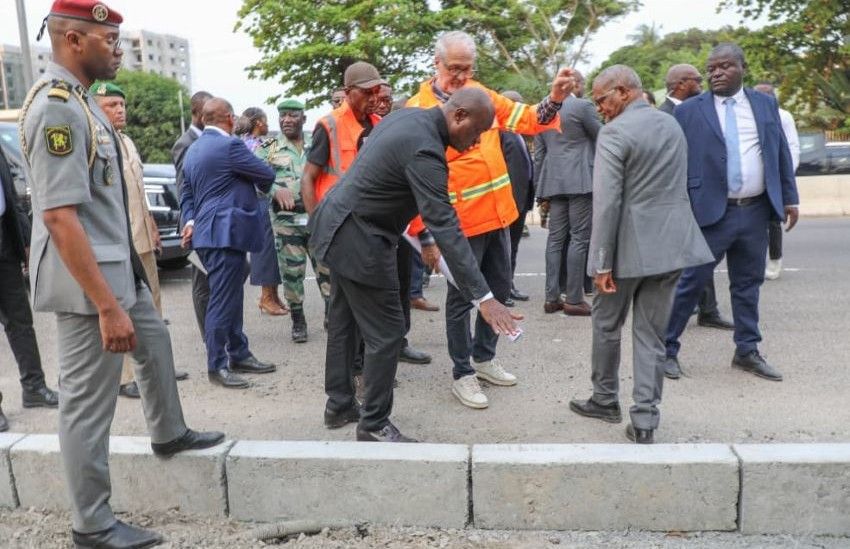
However, President Oligui Nguema stressed that success depends on sustainability. He urged municipal authorities to step up efforts in waste management, cleanliness, and public space protection to ensure these investments endure.
Local entrepreneurship as a growth partner
A highlight of the visit was the President’s engagement with a Gabonese entrepreneur developing facilities and services for coastal sports users. This underscores a key shift: infrastructure is no longer seen solely as a state-led endeavor but as a platform for local businesses to innovate, create jobs, and contribute to shared prosperity.
Interactions with citizens during the tour further illuminated this philosophy—a vision where public spaces are valued, living conditions improve, and wealth is distributed equitably. This hands-on approach to monitoring projects reflects a new standard in national transformation, where oversight translates into tangible progress.
What’s being built along Libreville’s shores is more than a waterfront renaissance—it’s a bold reimagining of Gabon’s economic, tourism, and urban future.