
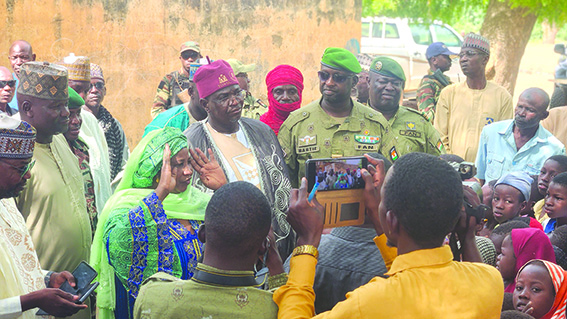
Across Niger, communities face mounting security threats as terrorist groups escalate attacks in multiple regions. In response, leaders from all sectors are rallying behind inclusive dialogue as a cornerstone for sustainable peace. This approach recognizes that security is not solely a state responsibility but a collective endeavor requiring participation from every stratum of society.
National forum unites voices for collective action
The first national forum of the Sahel Peace Initiative (SPI) convened in Niamey in June 2026, bringing together residents from conflict zones, religious leaders, security experts, and community representatives. Together, they forged a solidarity pact aimed at strengthening social cohesion and countering extremism through grassroots engagement.
Voices from crisis zones paint vivid realities
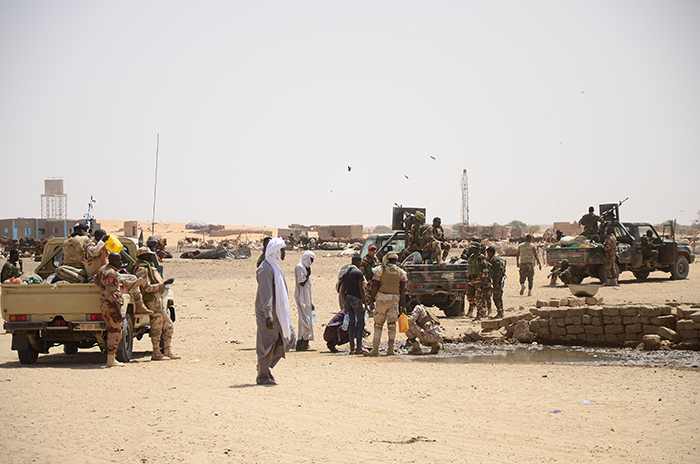
In Tera, Makolondi, and Torodi, daily life remains precarious despite state efforts. Residents acknowledge the tireless patrols of defense and security forces, whose presence prevents total collapse of local economies and social structures. Without this protection, communities face severe restrictions on movement, agricultural activities, and market access.
Seydou Hamidou, a youth leader from Makalondi’s rural commune, describes how insecurity has shattered livelihoods: « Young people are increasingly vulnerable to forced recruitment by armed groups. Without security, we cannot work our fields, attend school, or even remain in our villages. Some have fled the country entirely. »
Victor Harouna, from Téra, highlights economic hardships caused by heightened transport costs. « A journey that once cost 3,000 CFA francs now demands 10,000 to 15,000 CFA francs due to security risks. Crops are sabotaged, and displaced families struggle to rebuild their lives, though military interventions have allowed some to return. »
Women bear disproportionate burdens. Amina, from Torodi, recalls how insecurity has devastated their ability to earn income and educate children. « Many have lost husbands to violence or displacement. We beg authorities to expand military presence to restore safety. »
State mobilizes resources and local partnerships
Prefect Boureima Dobi of Torodi detailed government-led recovery efforts, including the return of over 800 displaced persons to Makalondi. A second wave of returns is being prepared, supported by food aid and community sensitizations. « The state is not idle—we continuously request resources to support our people, » he emphasized.
The prefect also warned against local complicity with terrorists, noting that some attacks stem from hidden sympathies within communities. « We must foster collective awareness. Recently, four individuals surrendered weapons and rejoined society. Through dialogue, we’re helping families understand their roles in national resilience. »
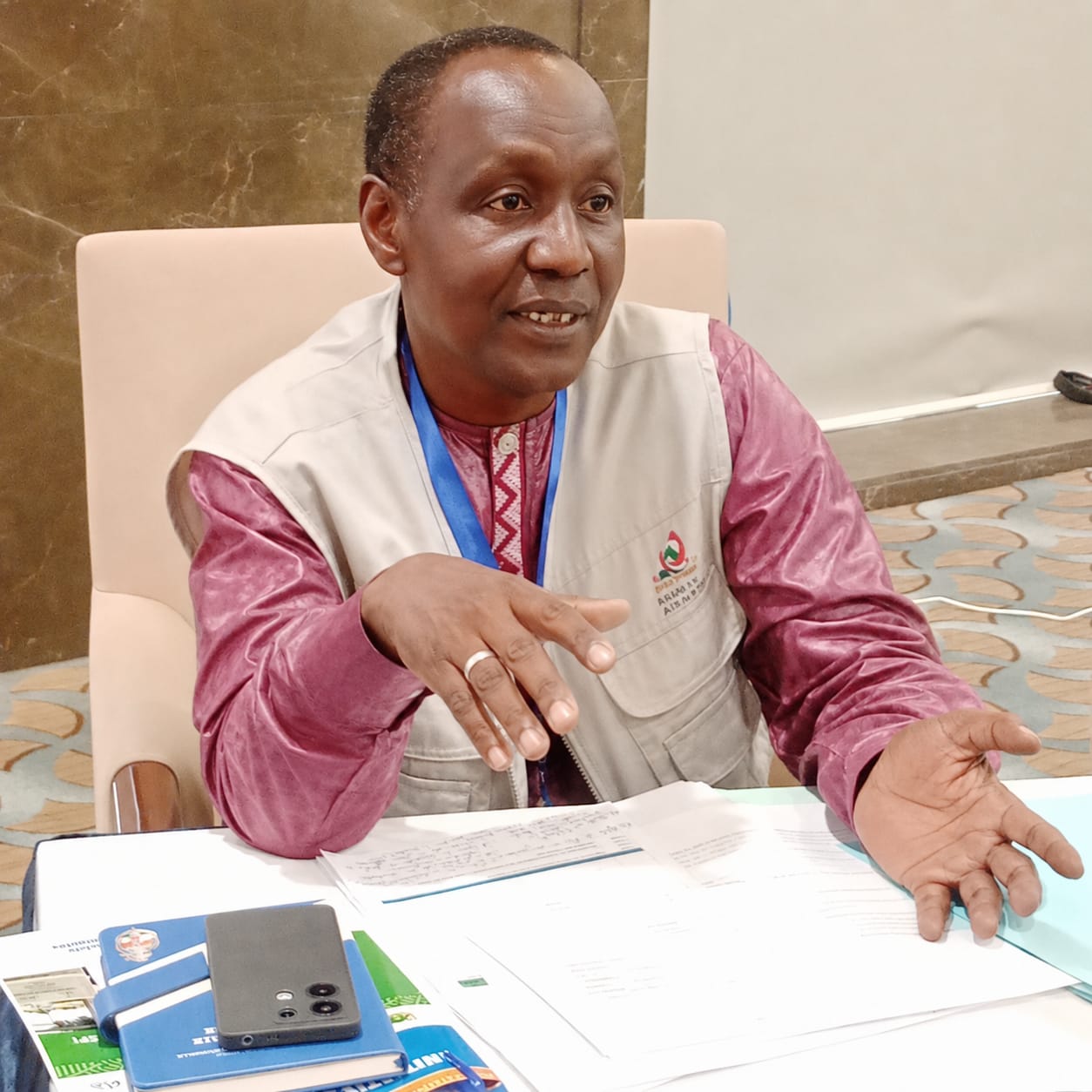
The National High Authority for Peace Consolidation (HACP) reinforces these efforts by empowering local leaders—especially women and youth—through conflict prevention training, social cohesion initiatives, and development projects coordinated with municipal councils.
Interfaith dialogue dismantles extremist narratives
Religious leaders have emerged as pivotal figures in countering violent extremism. The National Committee for Intra- and Interreligious Dialogue (CDIR) was established to neutralize hate speech and sectarian tensions that terrorists exploit. Cheikh Barham Aboubacar, CDIR’s national coordinator, explains: « Our goal is to prevent religious discourse from fueling community divisions. We intervene directly in conflicts—especially those disguised as religious disputes—to restore harmony. »
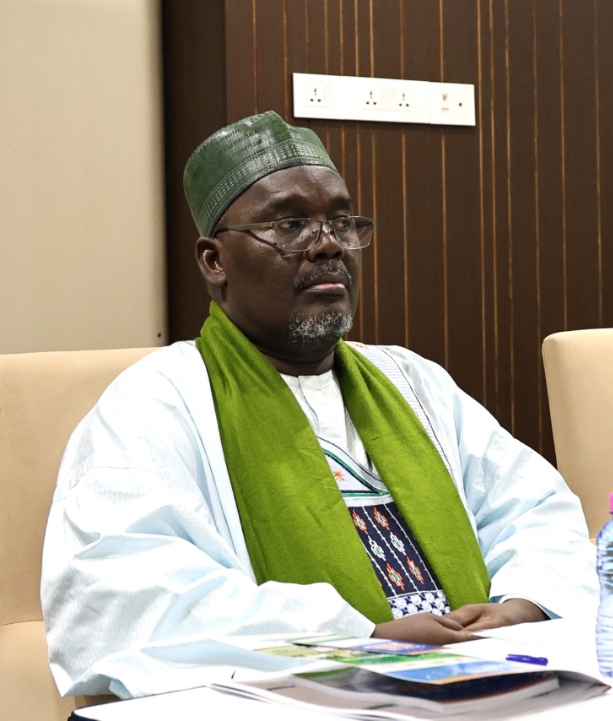
Through decentralized peace committees and local mediation cells, CDIR has mediated countless disputes, proving that religious values can bridge divides. « Dialogue clarifies misunderstandings, reduces sensitivities, and prevents discriminatory rhetoric from spiraling into violence, » Barham notes.
Community media: the frontline against misinformation
Amid insecurity, accurate information is a lifeline. Community radios—like Studio Kalangou—serve as trusted platforms for education and civic engagement. Alhassane Mahamane, its editor-in-chief, states: « These stations give communities a voice to express priorities and realities. Their programs reflect our struggles and aspirations, fostering trust and collective problem-solving. »
Women lead grassroots peacebuilding
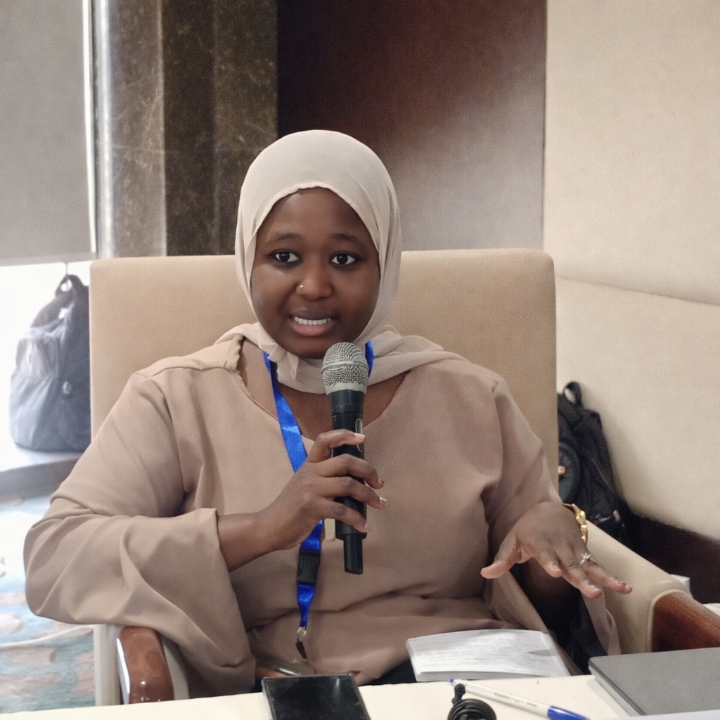
Women’s networks, such as Femmes, Actions et Développement (FAD), are reshaping community resilience. Amina Boukary, FAD’s partnership coordinator, stresses the need for women’s inclusion in decision-making: « Women constitute half the population—their needs and voices must be heard. We’re training female leaders, advocating for girls’ education, and supporting income-generating projects to rebuild trust and stability. »
As Niger navigates complex security challenges, the path to resilience demands unity. Whether through state-led initiatives, interfaith collaboration, media responsibility, or women’s leadership, Nigeriens are proving that peace is not merely the absence of conflict—but the presence of shared commitment to coexistence and progress.

More Stories
Why Cameroon lags behind in africa’s visa free wave
The forgotten scandal of bamboula village that still echoes today
Cameroon bishop warns of harsh prison conditions amid calls for reform