The Russia-Africa summit’s diverging paths: Mali’s Goïta leads while Sahel allies lag behind
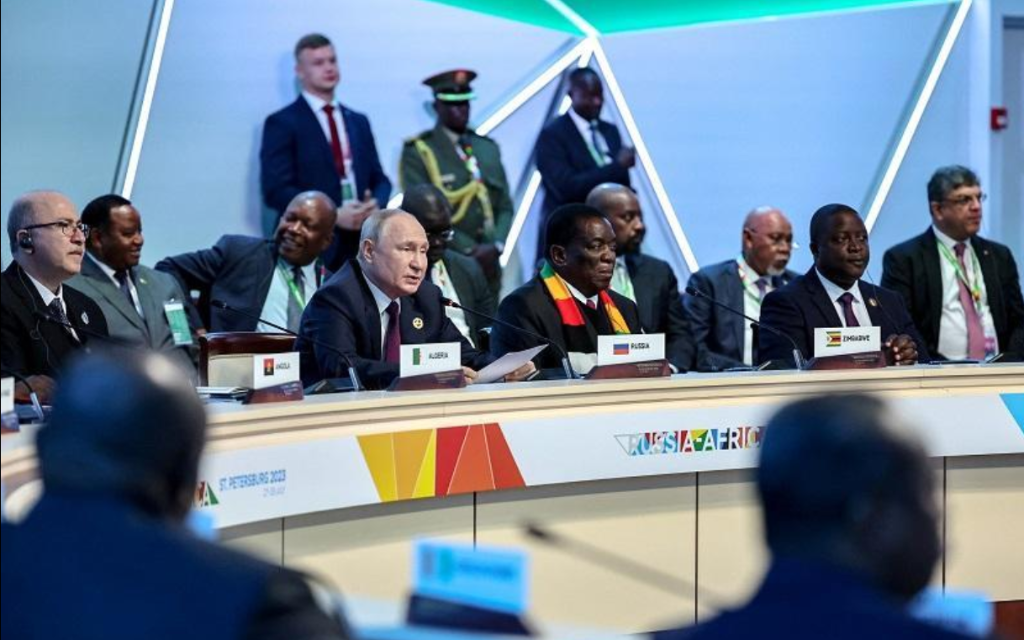
The third edition of the Russia-Africa summit, held in Moscow on October 28-29, 2026, has laid bare stark contrasts in strategic visibility among the Alliance of Sahel States (AES). While Mali’s military leader Assimi Goïta arrived with full presidential pomp, Burkina Faso and Niger sent lower-level representatives—or in one case, none at all.
These disparities aren’t mere diplomatic formalities. They reflect deeper questions about regional alliance cohesion, influence at the negotiating table, and the long-term consequences for Sahelian economies grappling with security threats and economic stagnation. As Moscow rolls out investment pledges and military cooperation frameworks, the AES members face a critical test: Can they present a unified front, or will their fragmented representation weaken their bargaining power?
Goïta’s solo spotlight: Mali’s leader steals the Moscow stage
By October 26, General Assimi Goïta landed in Moscow at the helm of Mali’s official delegation, complete with airport welcomes and high-profile meetings with Vladimir Putin. His presence marked one of the most visible national delegations at the summit, signaling Mali’s commitment to strengthening ties with Russia.
The Malian leader’s arrival wasn’t just symbolic—it came with concrete agenda items. Discussions centered on energy projects, food security initiatives, and counterterrorism cooperation in the Sahel. For a country facing sanctions, political isolation, and a collapsing economy, Goïta’s high-profile presence sent a clear message: Mali is open for partnerships, regardless of Western pressure.
Burkina Faso’s compromise: Prime minister steps into the breach
Ibrahim Traoré of Burkina Faso, initially rumored to attend, ultimately chose not to travel. Instead, Prime Minister Rimtalba Jean Emmanuel Ouédraogo led the delegation. While this maintained Burkina Faso’s participation in political and economic forums, it deprived the transition government of the symbolic weight of a presidential presence.
The decision may reflect internal political calculations. With Traoré facing domestic criticism over governance and security failures, his absence could be seen as an attempt to steer clear of international scrutiny while still engaging in multilateral discussions.
Niger’s shadow presence: confirmation remains pending
The case of Niger remains the murkiest. Russian authorities had announced General Abdourahamane Tiani’s participation. Yet by summit opening day, no official confirmation of his arrival had emerged. The Kremlin has remained tight-lipped, and public records showed no travel records or welcome ceremonies for the Nigerien leader.
Diplomatic observers suggest several possible explanations: delayed travel due to security concerns, last-minute strategic reconsideration, or logistical hurdles. What’s certain is that Niger’s participation hangs in the balance—leaving the AES without a full leadership trio in Moscow.
Beyond the AES: Africa’s fractured summit scene
The Russia-Africa summit brought together 48 confirmed African delegations—22 led by heads of state. Yet visibility varied widely. Algeria, Benin, Uganda, and others opted for prime ministerial or vice-presidential representation, signaling a pragmatic approach to alliance-building. France, Germany, and China were notably absent in top-tier leadership roles.
Among those making headlines: Evariste Ndayishimiye (Burundi), Emmerson Mnangagwa (Zimbabwe), and Paul Kagame (Rwanda, absent). The absence of key Western allies underscored Africa’s shifting geopolitical alliances and the Kremlin’s growing influence on the continent.
Economic stakes ride on summit outcomes
Moscow has framed the summit as a springboard for the next three-year cooperation cycle (2027–2029). With proposals on energy, agriculture, mining, and military support, the stakes couldn’t be higher for Sahel states. For Mali, closer ties with Russia could mean respite from sanctions, access to fuel, and renewed counterterrorism support.
But for the AES as a whole, disunity is costly. Fragmented representation at the summit risks diluting collective bargaining power. When Goïta signs a bilateral energy deal, it’s Mali alone securing the benefits—not the Sahel bloc. When Burkina Faso and Niger hold back, they risk being sidelined in future negotiations.
On the security front, inconsistent leadership sends mixed signals to militant groups operating across porous borders. A fractured alliance can become a gift for insurgent networks that thrive on regional instability.
What’s next for the Sahel alliance?
The Russia-Africa summit served as a reality check for the AES. While Mali flexed diplomatic muscle, its partners hesitated or stayed silent. The next steps will reveal whether these differences are temporary logistical hiccups—or the beginning of a permanent divide.
For citizens and businesses in the Sahel, the consequences are immediate. Access to energy, food supplies, and security cooperation now hinges on how well—or how poorly—their leaders coordinate with global powers like Russia.
The summit closed with no dramatic breakups or announcements of new alliances. But the specter of division lingers. Will the AES emerge stronger, or will the absence of unified leadership at Moscow mark the beginning of its unraveling?
One thing is clear: In the global arena, visibility matters. And in 2026, only one Sahel leader made sure he was seen.
Key takeaways: What the summit reveals about Sahel diplomacy
- Mali leads the way: Assimi Goïta’s presence in Moscow underscored his government’s strategic pivot toward Russia, despite international isolation.
- Burkina and Niger stay cautious: High-level absences suggest internal or strategic reservations about full engagement at this stage.
- Fragmented representation weakens bargaining power: For the AES to negotiate effectively with Russia or other partners, unified leadership is crucial.
- Economic and security gains are at stake: Energy deals, food security projects, and military cooperation could redefine Sahel stability—or deepen regional fragmentation.
- The summit’s true impact unfolds beyond the photo ops: Real change will be measured in contracts signed, investments secured, and security outcomes delivered—long after the Moscow headlines fade.