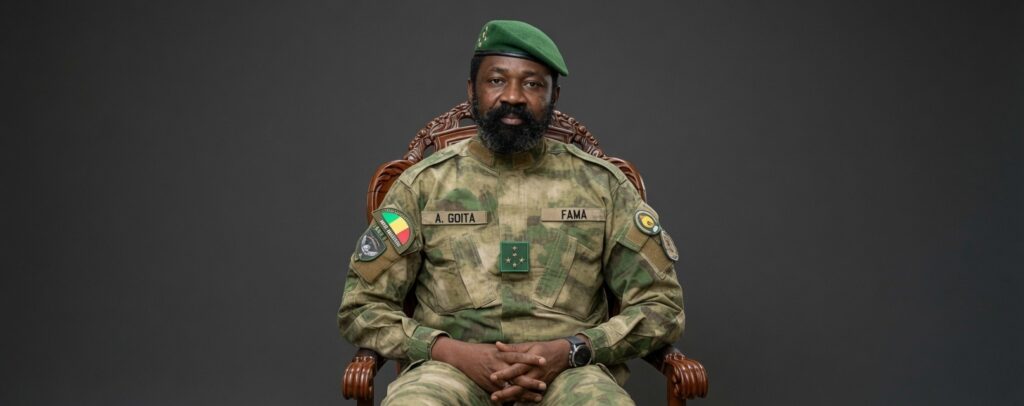
The promise of Mali’s military-led transition was simple: reclaiming sovereignty. But beneath the triumphant statements and rhetoric of restored order, a grim reality is taking hold. In their relentless pursuit of armed groups, Mali’s Armed Forces (FAMa) and their Russian mercenary allies from the Africa Corps are systematically violating international law, turning the counterterrorism fight into a daily nightmare for civilians.
Broken promises and ignored legal frameworks
Mali has not entered this fight unprepared. The country signed the Geneva Conventions in 1965, followed by the Additional Protocols in 1989, which explicitly govern non-international armed conflicts. The legal obligations are clear: civilians must be protected at all times, humiliating treatment is prohibited, and detainees deserve humane treatment. Defense officials have even mandated human rights training in military barracks.
Yet the disconnect between official directives and battlefield orders grows wider. Excesses are no longer isolated incidents—they are a deliberate strategy where brute force replaces sound tactics.
The bloody tally of military campaigns
The evidence is damning. Reports from human rights organizations document a harrowing pattern: summary executions, village burnings, looting, and torture in the country’s north and central regions. Survivors describe horrors that meet the threshold of war crimes—arbitrary killings, waterboarding, and electric shocks. These atrocities are not just collateral damage; they are recurring tactics.
Entire communities, especially the Fulani, are caught between the terror of jihadist groups and the state’s retaliatory violence. The humanitarian fallout is immediate and devastating.
The UN’s departure: A veil over war crimes
When Mali forced the United Nations stabilization mission (MINUSMA) to withdraw in late 2023, the decision did more than echo nationalist rhetoric. It removed the last independent monitor from the ground. Without a watchdog, accountability vanished overnight. Remote documentation by NGOs since then shows a sharp spike in reported violations—proof of the unchecked brutality in conflict zones.
No justice, no accountability: A vacuum of hope
The avenues for recourse are shrinking fast. The International Criminal Court’s imminent exit from Mali and the political subjugation of domestic courts have closed local justice shutters. Regional bodies offer only tepid responses: the African Union issues cautious statements, while ECOWAS focuses narrowly on constitutional order, with little influence over Bamako’s battlefield choices.
The reckoning: Why brute force backfires
By waging war through terror and flouting basic humanitarian law, Mali’s military leadership is digging its own grave. These disproportionate actions don’t crush insurgency—they swell it. Disillusioned civilians, traumatized by state violence, become easy targets for jihadist recruiters. Each village burned, each life lost, chips away at the state’s credibility.
In the end, a government that terrorizes its own people forfeits the very trust it claims to defend—sacrificing long-term security for short-term brutality.