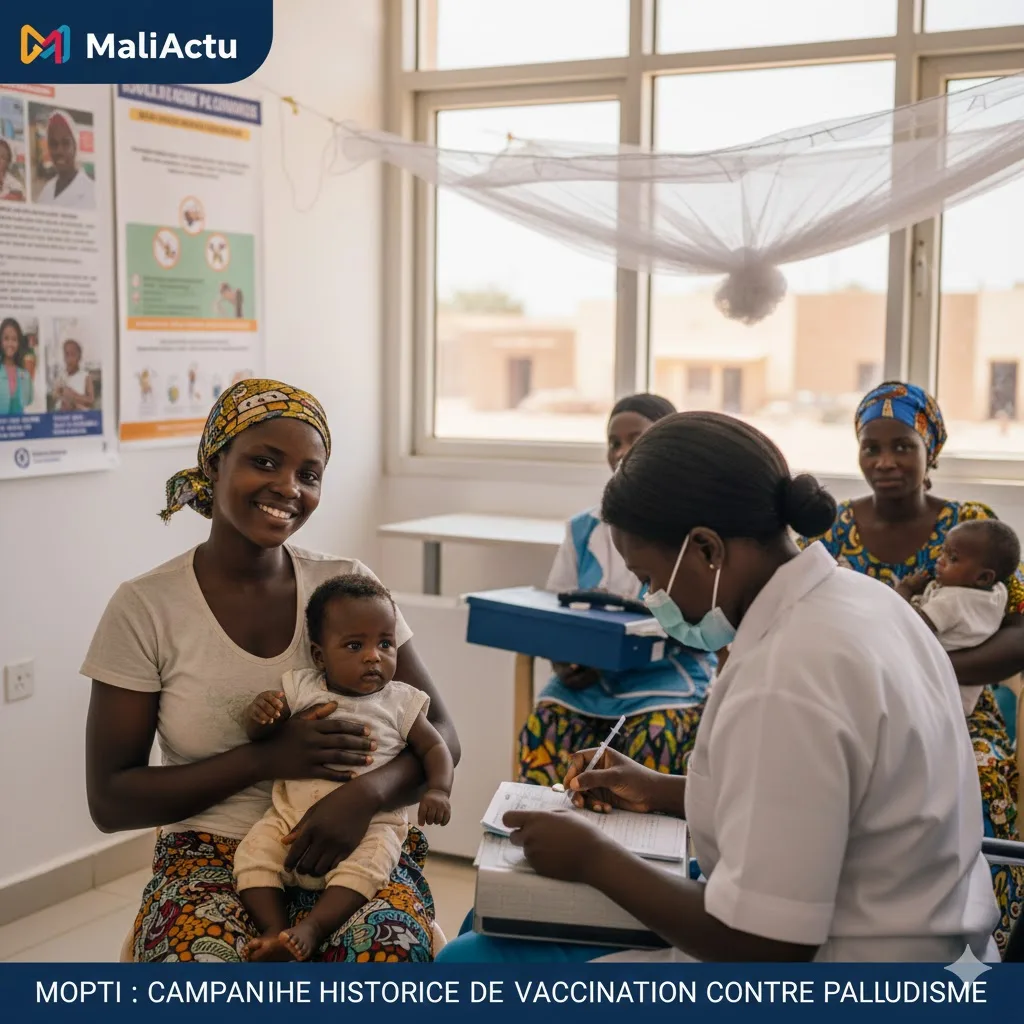

The R21/Matrix-M malaria vaccine has become a game-changer in Mali’s battle against one of its deadliest diseases. Following WHO recommendations, the West African nation has implemented an advanced hybrid vaccination strategy in high-risk regions like Kayes and Mopti. This innovative approach combines targeted age-based dosing with strategic seasonal administration to create a powerful shield against malaria.
Mali’s proactive stance in public health has led to the integration of the R21/Matrix-M vaccine into its Expanded Programme on Immunization (EPI). This initiative, supported by global health leaders including WHO, Gavi, and UNICEF, focuses on 19 districts across five regions—Kayes and Mopti among them. The program’s phased rollout prioritizes communities most vulnerable to seasonal malaria surges.
How the hybrid strategy works
The hybrid vaccination model breaks away from traditional methods by combining two key components:
- Age-specific dosing: Ensures infants and young children build foundational immunity early in life.
- Seasonal timing: Vaccinations are timed to coincide with the rainy season when mosquito populations—and malaria transmission—peak.
Kayes and Mopti: Frontline districts in malaria control
Mopti and Kayes were selected as pilot zones due to their high malaria burden and strategic importance. Despite logistical hurdles in Mopti, health authorities and partners achieved smooth vaccine distribution. In Kayes, community health workers play a critical role in ensuring timely booster doses, maximizing the vaccine’s protective effects during peak transmission periods.
A complementary weapon, not a standalone solution
Health experts emphasize that the R21/Matrix-M vaccine is just one pillar of Mali’s malaria prevention strategy. Other essential measures include:
- Insecticide-treated bed nets: Providing nighttime protection against mosquito bites.
- Seasonal malaria chemoprevention (SMC): Working in tandem with the vaccine to reduce infection rates during high-risk months.
Targeting the most vulnerable: Children under five
The ultimate goal of this vaccination drive is to significantly reduce malaria-related deaths among children under five—the age group hit hardest by the disease. Success in Kayes and Mopti will determine whether this model expands nationwide, potentially saving thousands of young lives annually.