a technological breakthrough to purify Benin’s water
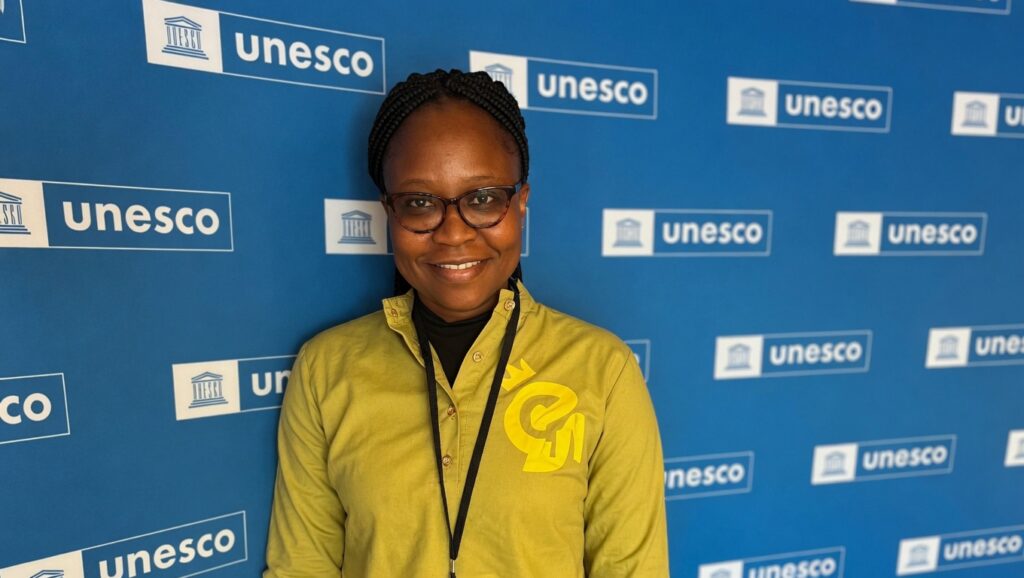
In the bustling port city of Cotonou, a Beninese startup named SSaFE is redefining innovation. Spearheaded by chemical engineer Marielle Agbahoungbata, a groundbreaking AI-driven filtration system promises to turn every drop of contaminated water into a valuable resource, all while communicating in local languages.
Watt Air: more than just a machine
The device, dubbed Watt Air, operates as a miniature laboratory. Its artificial intelligence core doesn’t just assess water purity—it autonomously determines the most effective treatment method. Based on detected pollutants, the system decides whether the water is fit for irrigation, laundry, or human consumption. This precision eliminates waste and maximizes every liter, a critical advantage in areas facing severe water stress and rising treatment costs.
“The robot saves both time and energy by calculating the exact amount of reagents needed,” Agbahoungbata explains. “It’s like performing surgery on water—efficient and targeted.”
bridging the literacy gap with inclusive technology
The innovation’s most compelling feature lies in its accessibility. Unlike many high-tech solutions, Watt Air is designed for everyday users, including women in remote villages with limited access to education. Integrated multilingual voice assistance—supporting languages like Fon, Bambara, Swahili, and Wolof—ensures seamless interaction.
“A mother in a rural area can use this system to recycle laundry water at home, even without formal schooling,” Agbahoungbata notes. The AI adapts to the user, not the other way around, democratizing technology for those who need it most.
sèmè city: nurturing local solutions
Watt Air’s development didn’t occur in isolation. It emerged from Sèmè City, Cotonou’s innovation hub, where mathematicians and chemists collaborate to address local challenges. Thierry d’Almeida, director-general of the city’s research institute, emphasizes the importance of this synergy: “The key to solving African problems lies in African ingenuity.”
Supported by a $30,000 grant from UNESCO, the project exemplifies how homegrown solutions can tackle pressing issues with deep contextual understanding.
the road to 2027
Though still in the prototype phase, the team behind Watt Air has set an ambitious goal: commercial deployment by 2027. Currently, SSaFE is actively seeking partners and investors to transition from lab to household. The vision extends beyond technical achievement—it’s about ensuring technology empowers communities, safeguards health, and leaves no one behind, regardless of language or background.