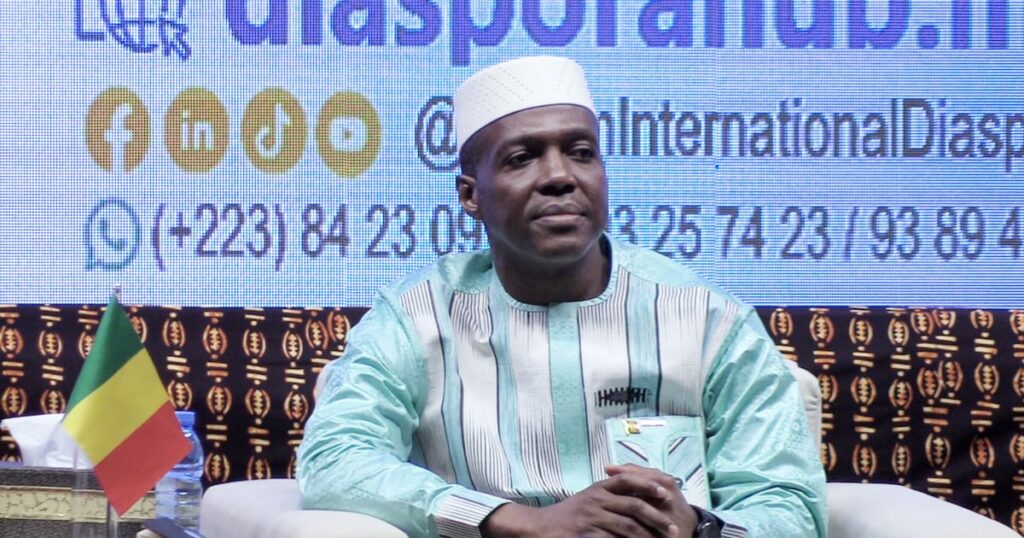
The second edition of the International Diaspora Forum (FID) is underway at the Bamako International Conference Center (CICB) from July 16 to 18, 2026. This year’s theme, “Mali’s diaspora and productive investments: building a strong economy for sustainable development”, underscores the nation’s commitment to leveraging its global community as a key driver of economic growth.
The Kingdom of Morocco stands as the honored guest nation, reflecting Mali’s strategic partnership with Rabat in mobilizing diaspora resources. The opening ceremony was led by Prime Minister General Abdoulaye Maïga, who emphasized the forum’s role in fostering national resilience.
Addressing delegates, Morocco’s Ambassador to Mali, Driss Isbayène, highlighted striking parallels between the two countries’ diaspora challenges. With nearly six million Moroccans abroad—mirroring Mali’s diaspora size—he stressed the shared goal of retaining and incentivizing expatriates to channel their skills and capital into economically impactful ventures.

Alimatou Diallo, a Senegalese resident of Mali, praised the nation’s inclusive policies, stating, “Since settling here, I’ve never felt isolated. Initiatives like this empower us to grow and promote our businesses.” Her remarks echoed the forum’s emphasis on creating a welcoming ecosystem for foreign residents to contribute meaningfully.
Habib Sylla, President of Mali’s High Council for Overseas Malians, recalled President Assimi Goïta’s landmark pledge during the first FID: “Invest freely in your homeland. I remain fully committed to supporting you through any obstacles—my door is always open.” Sylla hailed this as the strongest signal yet to the diaspora, urging continued engagement in high-potential sectors.
Minister of Overseas Malians and African Integration, Mossa Ag Attaher, framed the diaspora as the “beating heart of the nation’s future”. He described the Diaspora Hub—a digital infrastructure—as more than a platform: “It’s a meticulously designed bridge reconnecting expatriates to their institutions, heritage, and development pathways.”
Prime Minister Maïga framed the forum as a cornerstone of Mali’s broader vision under the Alliance of Sahel States. He stated, “This strategy weaves economic, social, and institutional transformation by harnessing all national assets—including our diaspora’s expertise, networks, and investment capacity.” He added that the diaspora’s role as a nexus between Mali, the Sahel Confederation, and global markets is pivotal to realizing shared prosperity and regional solidarity.