Mali unveils bounty program to dismantle Sahel terror networks
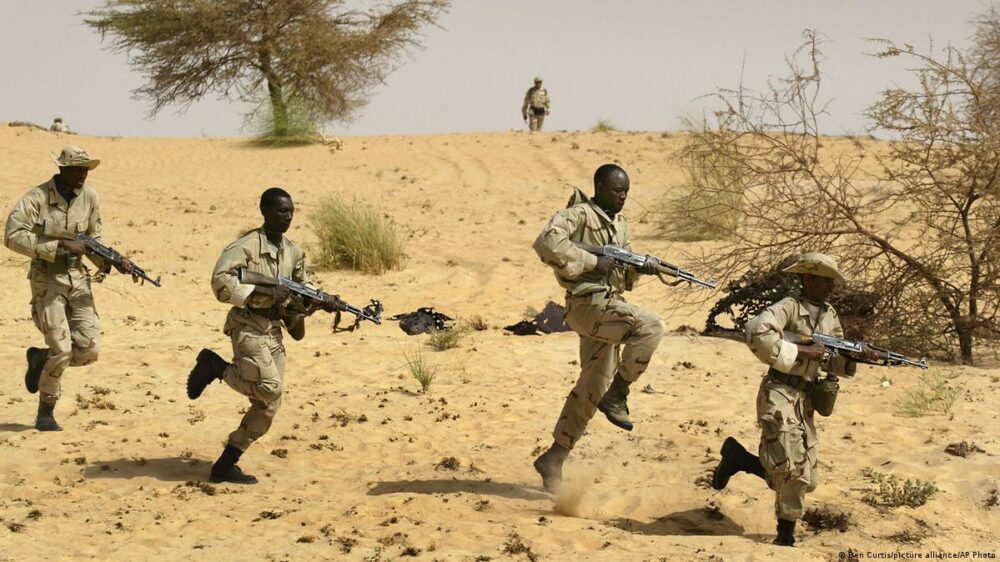
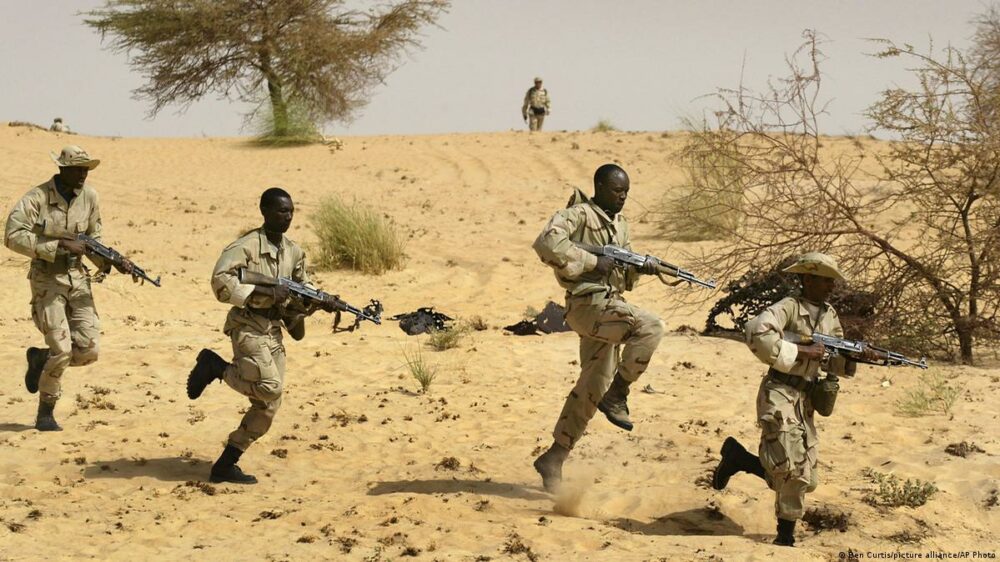
In an intensified effort to cripple terrorist operations across the Sahel, authorities in Mali have launched a high-stakes bounty initiative targeting seven notorious extremist commanders. The program offers financial incentives ranging from 500 million to 2 billion West African CFA francs for actionable intelligence leading to their capture or elimination.
The announcement, issued by the Ministry of Security, urges citizens to play an active role in national security by reporting credible information about the whereabouts of these individuals. « This initiative underscores our commitment to dismantling terror cells and restoring safety for all Malians », stated a government spokesperson.
Top-priority targets and their alleged roles
The list includes some of the most wanted figures in the region, each linked to devastating attacks against civilians and security forces:
- Iyad Ag Ghali: The notorious jihadist leader, accused of orchestrating large-scale assaults, is now worth 2 billion FCFA.
- Hamadoun Hassan Sankaré (Amadou Kouffa): A key recruiter and strategist for militant factions, tagged at 1.5 billion FCFA.
- Abdoulaye Mahamadou Bekaye Diallo (Doulé Bib de Nampala): A high-ranking operative involved in multiple cross-border assaults, also valued at 1.5 billion FCFA.
- Alghabass Ag Intallah: A senior commander with direct ties to transnational terror networks, carrying a 1 billion FCFA reward.
The authorities emphasize that these individuals remain actively pursued by military and intelligence units for their roles in planning, funding, and executing violent acts that have destabilized communities and infrastructure throughout Mali.
Residents are encouraged to remain vigilant and share any relevant tips with defense and security personnel, stressing that every contribution could be pivotal in dismantling these dangerous networks.