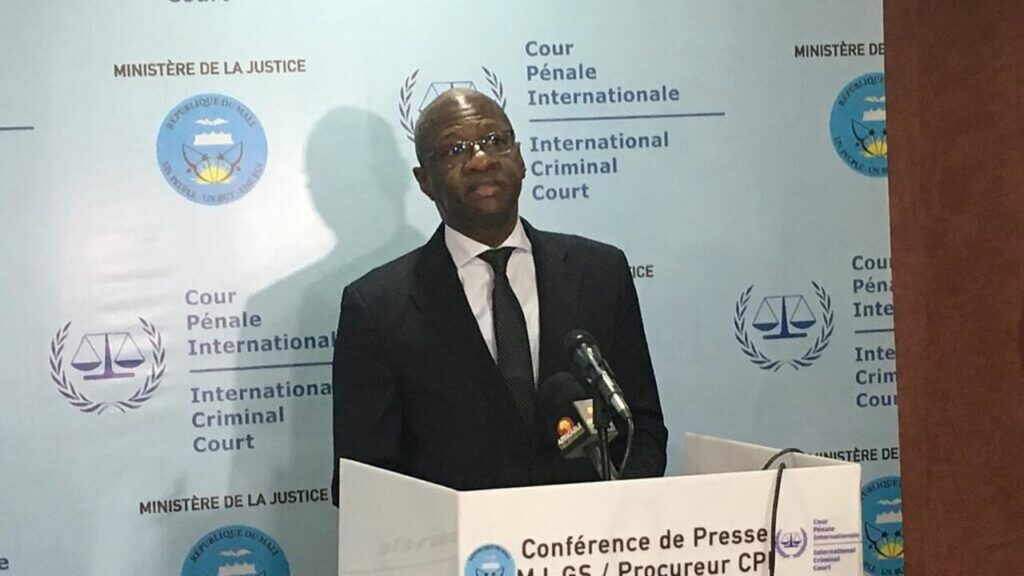
In Mali, a month has passed since lawyer and former minister Mountaga Tall was abducted by State Security and held in an undisclosed location outside any legal framework. His son suffered the same fate, alongside other pro-democracy activists, military personnel and religious leaders. These disappearances followed massive attacks on April 25 carried out by jihadist groups Jnim and separatists from the FLA.
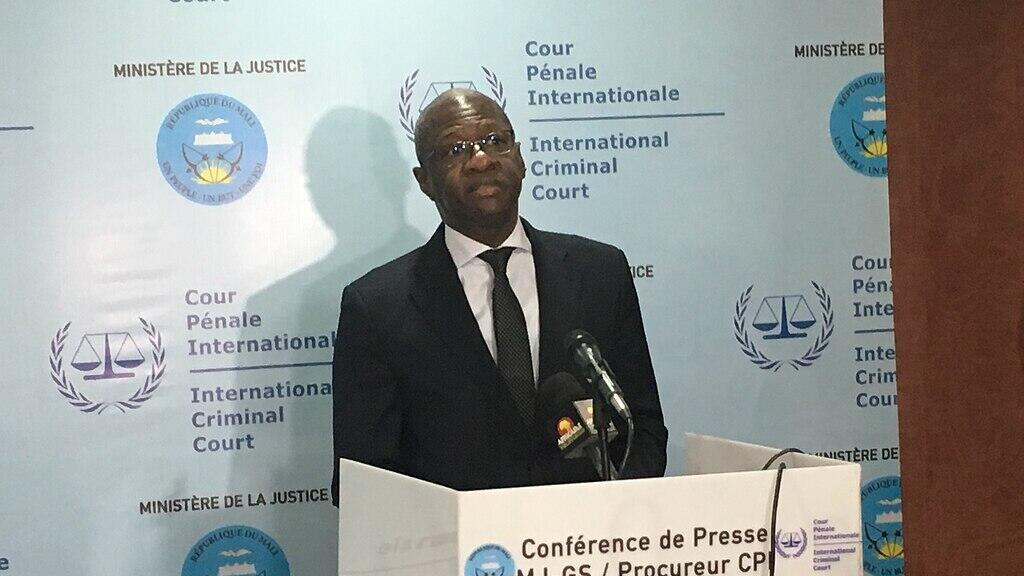
Mamadou Ismaïla Konaté, a veteran opposition leader and former Malian Justice Minister, has spoken out about the situation. He highlights the plight of Mountaga Tall, the misuse of counterterrorism efforts and the erosion of Mali’s judicial independence. Konaté also underscores his unwavering opposition to jihadist terrorism and the transitional government’s accountability in the escalating crisis. He explains why he has chosen not to join the Coalition of Republican Forces (CFR), led by Imam Dicko.
Mountaga Tall’s disappearance: a dark stain on Mali’s democracy
How do you assess the situation after a month of Mountaga Tall’s enforced disappearance at the hands of State Security?
Mamadou Ismaïla Konaté: While I remain deeply skeptical that the transitional authorities will heed these calls for justice, they must be reminded of their obligations under the law. No individual should be deprived of liberty outside legal bounds, even in extraordinary circumstances. The rule of law is measured by how it treats its critics, opponents and defenders — in this case, a lawyer and political figure who has not been granted any form of legal or medical access, nor even a visit from the President of the Bar Association. After the Bar Association issued its strong statement, military authorities responded by abducting Tall’s son. This escalation is intolerable.
Counterterrorism as a pretext: a dangerous gamble
Mountaga Tall was not the only one abducted. His son, other political opponents, military officers and religious leaders have also been targeted. The military justice system claims to be investigating alleged complicity with armed groups following the April 25 attacks — though no direct link has been officially established. Yet the authorities and their supporters frame these actions as part of the counterterrorism effort… and it seems to be accepted by many Malians. Why is that dangerous?
It’s essential to remind Malians that counterterrorism cannot justify legal insecurity. A military camp is not a court of law. Detention must follow due process; arbitrary detention thrives in secrecy. Today it’s Mountaga Tall. Tomorrow, it could be anyone. That’s why, even in the fight against terrorism, preserving the legal framework and ensuring justice is paramount.
Mali’s judiciary: independence or submission?
Beyond this case, we’ve seen the Malian judiciary sentence former Prime Minister Moussa Mara to one year in prison for a tweet expressing hope for change — while supporters of the transitional government have openly called for violence against pro-democracy activists or the destruction of Mauritanian-owned shops. Is Mali’s judiciary truly independent, or has it become a tool of the transitional regime?
It’s clear that the judiciary, meant to uphold public order and security, now appears subservient to the regime. Judges must remember they serve the State, the nation and the people — not a government, however it came to power. Fear cannot justify their silence or complicity in injustice.
Do judges have any real autonomy, or are they also living in fear?
The law provides judges with the option to recuse themselves. But beyond fear, too many judges today are complicit in a system that undermines justice itself. They must recognize that today’s actions will define tomorrow’s justice.
The transitional government’s grip on power
After the April 25 attacks, the death of Minister Sadio Camara and the fall of Kidal, some observers believed the military-led government in Mali was weakening. Yet it appears to remain firmly in control. How do you explain this resilience?
It is weakening — but terrorism, which denies the very foundations of social peace, law and civil order, cannot be ignored. However, the growing peril facing Mali’s citizens cannot be separated from the decisions made by those who have governed by force for six years without elections.
Why I refuse to join the opposition coalition
You’ve made your opposition to the Malian transitional authorities clear. Yet you haven’t joined the CFR, the coalition led by Imam Dicko. Why?
Because today, we are caught between two extremes: the képi (military rule) and the chéchia (Islamist rule). The képi represents power seized by force and wielded authoritatively. The chéchia brings back memories of 2012 — a time of amputations and terror in northern Mali under jihadist occupation. While national unity and dialogue are important, certain prerequisites must be met. You cannot emerge from a warzone armed and then sit at the table and pretend nothing happened. I oppose the military regime for its violations of rights and freedoms, but I cannot support those who impose terror either. The absolute prerequisite is addressing 2012 — the toxic alliance between the FLA and Jnim — and reaffirming the principles that define the Republic, democracy and justice.
Sovereignty, resistance and the future of Mali
The leaders of the AES (Mali, Niger, Burkina Faso) claim that opposing them means opposing national sovereignty, siding with terrorists, foreign interference or a media war. As a Malian, what’s your response?
No one can strip me of my identity as a Malian, a patriot or an engaged citizen. What these regimes — themselves born of illegality and fraud — cannot tolerate is being reminded of the law or their own commitments. The real anti-patriots are those who starve their people, trample on freedoms and destroy the rule of law.