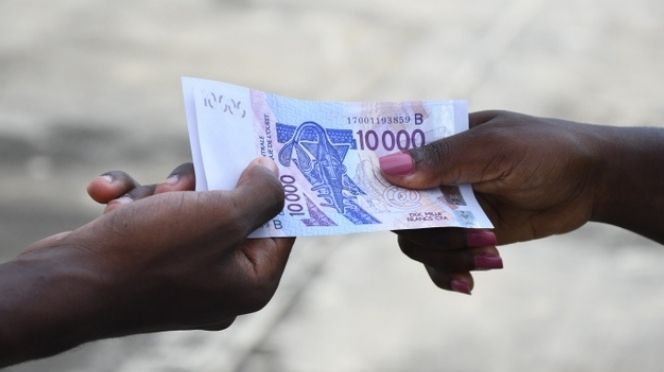
The 2024 Corruption Perceptions Index (CPI) by Transparency International has once again shed light on Mali’s persistent challenges in combating corruption. Ranking 136th out of 180 countries with a score of 28 out of 100, the country continues to grapple with systemic graft that undermines governance and stifles development.
Root Causes of Mali’s Corruption Challenges
According to the report, Mali’s institutional oversight bodies are eroding, with public procurement processes shrouded in opacity and public finance management marred by widespread mismanagement. These issues fuel a pervasive perception of corruption, particularly within the public administration.
Critical sectors such as justice, healthcare, and education are frequently compromised by favoritism and bribery, eroding citizen trust in state institutions. Reports from Mali’s Office Central de Lutte contre l’Enrichissement Illicite (OCLEI) and the Bureau du Vérificateur Général further highlight how elite impunity thrives in this environment.
West Africa’s Corruption Landscape in 2024
Mali is not alone in its struggle. Several West African nations continue to face severe corruption challenges, with governance weakened by opaque financial practices and institutional fragility.
- Nigeria: Despite being the region’s economic powerhouse, it scores a mere 25/100, with public fund embezzlement—particularly in the oil sector—driving instability.
- Burkina Faso: Under political transition, it earns 30/100, failing to cross the critical 50-point threshold that separates corrupt from relatively clean governance.
- Ghana: A rare bright spot, it maintains a score of 43/100, though a slight decline underscores the need for sustained reforms.
Sub-Saharan Africa’s Corruption Crisis
With an average score of 32/100, Sub-Saharan Africa remains one of the world’s most corruption-affected regions. Over two-thirds of African nations score below 50, signaling systemic governance failures.
Transparency International warns that climate finance funds—critical for vulnerable populations—are at high risk of mismanagement due to weak oversight. Countries like Somalia (11/100), South Sudan (13/100), and the Central African Republic (19/100) suffer the most, where prolonged conflicts have dismantled institutional safeguards.
Global Leaders and Laggards in Anti-Corruption Efforts
On the global stage, Nordic nations dominate the top ranks for transparency:
- Denmark: 90/100 (world leader)
- Finland: 88/100
- Norway: 87/100
- Canada: 75/100
- Germany: 79/100
Conversely, the most corrupt nations include Somalia (11/100), South Sudan (13/100), Syria (14/100), Venezuela (14/100), and Yemen (16/100)—all plagued by civil strife and institutional collapse.
Pathways to Reform for Mali
To reverse its trajectory, Mali must prioritize legal reforms, judicial independence, and stronger whistleblower protections. Without decisive action, corruption will continue to:
- Undermine institutional credibility
- Hinder economic growth
- Exacerbate public distrust in government
Transparency International urges both national and international stakeholders to collaborate on robust anti-corruption strategies to safeguard Mali’s future.